

Creating Career Path...

Finding Further Careers...

Food Safety Microbiologist

View this career for different education levels:

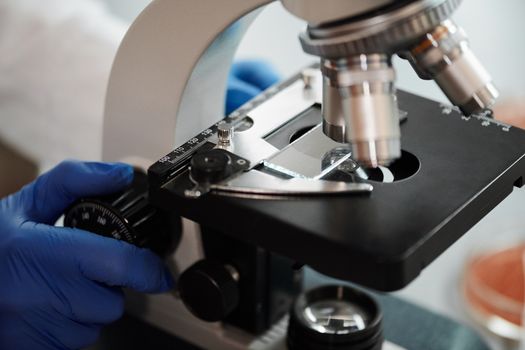
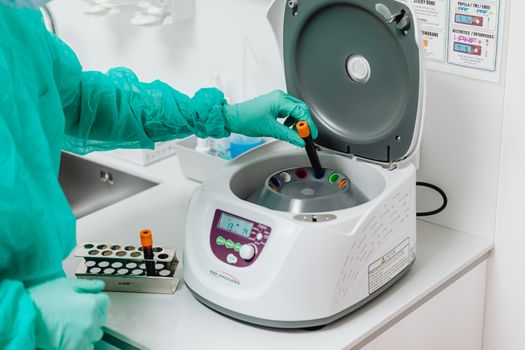
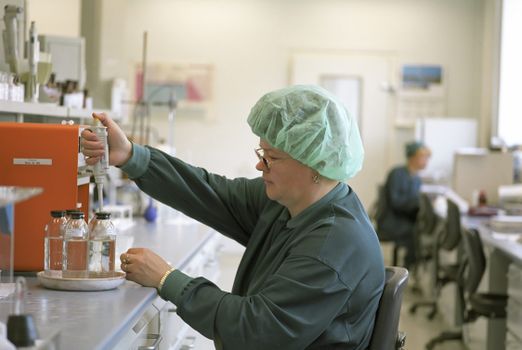
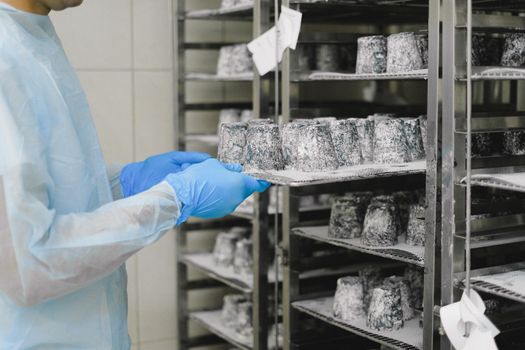
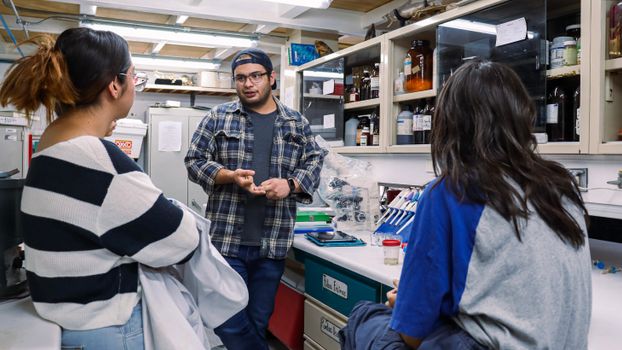
A Food Safety Microbiologist plays a crucial role in safeguarding public health by ensuring that food products are safe for consumption and comply with stringent UK and international regulations. This career involves applying scientific principles to detect, identify, and quantify microorganisms in food and food processing environments. You would typically work in a laboratory setting, conducting various tests on raw materials, in-process samples, and finished products to identify pathogenic bacteria such as Salmonella, E. coli, and Listeria, as well as spoilage organisms. This often involves using advanced techniques like PCR, immunoassay, and traditional culture methods. Beyond routine testing, a Food Safety Microbiologist is also involved in developing and validating new testing methods, investigating outbreaks, conducting risk assessments, and implementing quality control procedures. They contribute significantly to Hazard Analysis and Critical Control Points (HACCP) plans and work closely with production, quality assurance, and regulatory teams to maintain high standards of food hygiene and safety. The role demands meticulous attention to detail, strong analytical skills, and a deep understanding of microbiology, food science, and relevant legislation. You would be responsible for maintaining accurate records, interpreting results, and providing recommendations to mitigate microbiological risks. This career is vital for food manufacturers, retailers, contract testing laboratories, and government agencies, all of whom rely on expert microbiological analysis to protect consumers and uphold brand integrity. It offers a challenging and rewarding path for those passionate about science and public health.

Food Safety Microbiologist

Flag Media

Please select a reason for flagging this content.

📊 Statistics

Average Salary Range

Starting salaries for Food Safety Microbiologists in the UK typically range from 22,000 to 28,000 pounds per year for entry-level positions. With experience, this can increase to 30,000 to 45,000 pounds, and senior roles or specialisms might command upwards of 50,000 pounds annually.

Number of Positions

While precise real-time figures fluctuate, job boards and industry insights suggest a steady demand for Food Safety Microbiologists across the UK. There are often hundreds of active job listings at any given time, particularly in areas with high concentrations of food production and processing facilities, as well as in regulatory bodies and contract laboratories.

Typical Working Hours

Most Food Safety Microbiologists work a standard 37-40 hour week. However, depending on the role and industry, some positions may involve shift work, on-call duties, or occasional weekend work, especially in manufacturing environments that operate continuously.

🚀 Careers in this path

Flag Media

Please select a reason for flagging this content.

Quality Assurance Technologist

Works in food manufacturing to ensure products meet stringent safety and quality standards. This involves conducting tests, analysing data, and implementing corrective actions to maintain compliance with food safety regulations. It's a hands-on role focusing on the practical application of food safety principles.

Flag Media

Please select a reason for flagging this content.

HACCP Coordinator

Specialises in implementing and managing Hazard Analysis and Critical Control Points (HACCP) systems within food businesses. They identify potential hazards, establish control measures, and ensure compliance with food safety management systems, often involving training staff and conducting internal audits.

Flag Media

Please select a reason for flagging this content.

Public Health Inspector for Food Safety

Employed by local councils or the Food Standards Agency, these professionals visit food establishments (restaurants, takeaways, supermarkets) to inspect hygiene standards, ensure compliance with food safety legislation, investigate outbreaks, and provide advice and enforcement where necessary. It combines scientific knowledge with regulatory work.

Foundation and Education

Obtain Relevant Degree

Pursue a Bachelor's degree in a scientific field such as Microbiology, Food Science, Biological Sciences, or a related discipline with a strong microbiological component.

Many universities in the UK offer specialised degrees that provide a solid foundation for a career in food safety microbiology. Look for courses accredited by professional bodies where possible. Key modules to focus on include general microbiology, food microbiology, molecular biology, immunology, and analytical chemistry. A strong academic record will enhance your prospects for further study or entry-level positions.

Gain Laboratory Experience

Seek opportunities to gain practical laboratory experience during your studies, through placements, internships, or volunteering.

Practical experience is invaluable. Many degree programmes offer sandwich years or summer internships in industrial or research labs. This hands-on experience allows you to apply theoretical knowledge, develop essential lab skills (aseptic technique, microscopy, culturing, PCR), and understand laboratory safety protocols. Even university lab sessions should be approached with a focus on skill development and record-keeping.

Consider Postgraduate Study

Evaluate if a Master's degree (MSc) or PhD in Food Microbiology or a related field would benefit your career aspirations.

While not always essential for entry-level roles, a postgraduate qualification can open doors to more senior positions, research roles, or specialisations within food safety. An MSc can deepen your knowledge and practical skills, particularly in specific analytical techniques or regulatory aspects. A PhD is typically required for advanced research and academic roles, providing extensive experience in experimental design and independent study.

Entry into the Field

Apply for Junior Roles

Look for entry-level positions such as Laboratory Assistant, Junior Microbiologist, or Food Safety Technician in food manufacturing companies, contract testing laboratories, or public health organisations.

These roles are designed for recent graduates and provide an excellent starting point. You will typically be involved in routine sample preparation, microbiological testing of food products and environmental samples, data recording, and adherence to quality control procedures. This stage is crucial for developing practical expertise and understanding industry specific regulations and best practices. Tailor your CV and cover letter to highlight relevant academic projects and lab skills.

Understand Regulations and Standards

Familiarise yourself with UK and international food safety legislation, standards, and guidelines relevant to microbiological testing.

Key regulatory bodies and standards include the Food Standards Agency (FSA), ISO 17025 for laboratory competence, HACCP (Hazard Analysis and Critical Control Points), and various EU regulations (which still influence UK practices). Understanding these frameworks is vital for ensuring compliance, interpreting results, and contributing effectively to food safety programmes. Many employers provide training in these areas, but proactive learning will set you apart.

Develop Core Lab Skills

Continuously refine your practical laboratory skills, including sterile technique, media preparation, enumeration, pathogen detection methods, and data analysis.

Proficiency in various microbiological techniques is paramount. This includes traditional culture-based methods as well as rapid molecular methods like PCR (Polymerase Chain Reaction) and ELISA. Accurate record-keeping, calibration of equipment, and troubleshooting are also critical skills. Seek feedback from senior colleagues and actively participate in any internal training programmes offered to improve your technical expertise.

Career Progression & Specialisation

Pursue Professional Development

Undertake continuous professional development (CPD) through short courses, workshops, and participation in industry conferences.

The field of food safety microbiology is constantly evolving with new technologies and emerging pathogens. CPD can include specialised training in areas like advanced PCR techniques, next-generation sequencing, risk assessment, or audit procedures. Joining professional bodies like the Society for Applied Microbiology (SfAM) or the Institute of Food Science & Technology (IFST) can provide networking opportunities and access to valuable resources and events.

Specialise in an Area

Consider specialising in a particular area of food safety microbiology, such as pathogen identification, shelf-life studies, hygiene auditing, or method validation.

As you gain experience, you might find an area that particularly interests you or where your skills are best suited. Specialisation can lead to roles like Senior Microbiologist, Food Safety Auditor, Quality Assurance Manager, or Research Scientist. This often involves taking on more responsibility, leading projects, and mentoring junior staff. Developing expertise in a niche area can significantly enhance your career trajectory.

Advance to Leadership Roles

Work towards leadership and management positions, overseeing teams, laboratory operations, or food safety programmes.

With significant experience and demonstrated leadership capabilities, you can progress to roles such as Laboratory Manager, Head of Food Safety, or Technical Manager. These roles involve strategic planning, budget management, regulatory compliance oversight, staff management, and acting as a primary contact for external audits or regulatory bodies. Strong communication, problem-solving, and decision-making skills are essential at this level.

🎬 Useful Videos

🎯 View Apprenticeships

Explore relevant apprenticeships that can help you kickstart your career in Food Safety Microbiologist. Apprenticeships offer hands-on experience and training while earning a wage.

Career Progressions

This page showcases various career options and the pathways to reach them. Each career listed here shares transferable skills and knowledge, making it easier for individuals to transition between them.

Your current career is highlighted to help you see how it fits into the broader landscape of potential career choices. By clicking on any career, you can learn more about it, including the training and education required to pursue it.

Remember, progressing in your career often involves further learning and training. This page provides insights into future career options as well as those that can lead up to your current one.

These career progression decisions are informed by comparing the skills and knowledge needed for different occupations, along with data on how people move between them. Explore the possibilities and discover the exciting journey ahead in your career!

Sample Qualifications

A Food Safety Microbiologist primarily focuses on the microbiological aspects of food safety, identifying and analysing micro-organisms in food. This directly aligns with the core duties of a general Microbiologist, even if the specialism is food.

How to become

You can get into this job through:

  • a university course
  • an apprenticeship
  • working towards this role

University

To become a microbiologist, you could do a degree in:

  • microbiology
  • biology
  • life sciences
  • biological science

Some degree courses include an integrated master's qualification like MBiol or MSci. You'll usually have more time for independent research and they're designed to lead directly onto further postgraduate study like a PhD.

Training programme for the NHS

If you want to work in the NHS as a microbiologist, you could apply to the Scientist Training Programme (STP) after your degree.

You'll train on the job, get paid a salary and receive a master's degree at the end.

Entry requirements

You'll usually need:

  • 5 GCSEs at grades 9 to 4 (A* to C), or equivalent, including English, maths and science
  • 2 or 3 A levels, or equivalent, including biology for a degree
  • a degree in a relevant subject for postgraduate study

More Information

Apprenticeship

You may be able to become a microbiologist by doing an apprenticeship, for example:

  • Scientist Level 6 Degree Apprenticeship
  • Research Scientist Level 7 Degree Apprenticeship

These apprenticeships can take between 3 and 5 years to complete.

Entry requirements

You'll usually need:

  • 4 or 5 GCSEs at grades 9 to 4 (A* to C) and A levels, or equivalent, for a degree apprenticeship

More Information

Work

You might be able to get into microbiology by working your way up from a laboratory technician.

You would need to study part time for a biological science degree or degree apprenticeship while you work.

Volunteering

Volunteering in the NHS is a good way to get work experience in a healthcare lab. This can be helpful when you apply for jobs or training.

More Information

Professional and industry bodies

You can join the Microbiology Society to get professional recognition, find training opportunities and make new contacts.

Further information

You can get more advice about working in microbiology from the Microbiology Society and Health Careers.

Interested in More Career Paths?

Explore other careers or use our AI to discover personalised paths based on your interests.

Stay connected

Join our newsletter to stay up to date on features and releases

Address
Developing Experts Limited
Exchange Street Buildings
35-37 Exchange Street
Norwich
NR2 1DP
UK

Phone
01603 273515

Email
[email protected]

Copyright 2026 Developing Experts, All rights reserved.