
Creating Career Path...

Finding Further Careers...

Food Safety Microbiologist

View this career for different education levels:

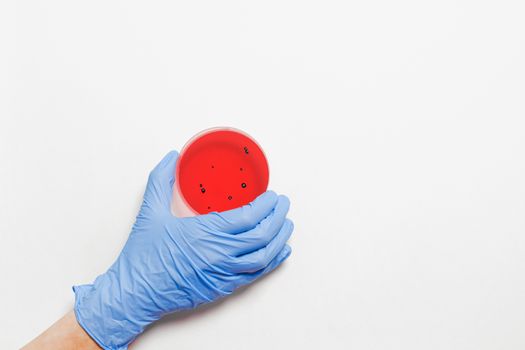
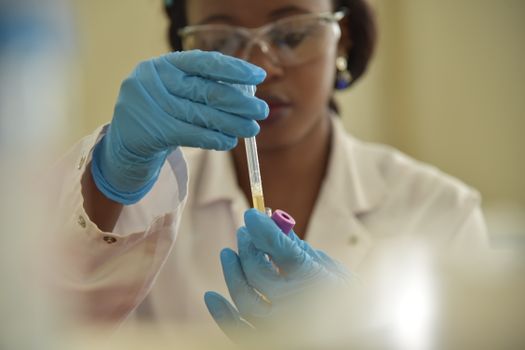
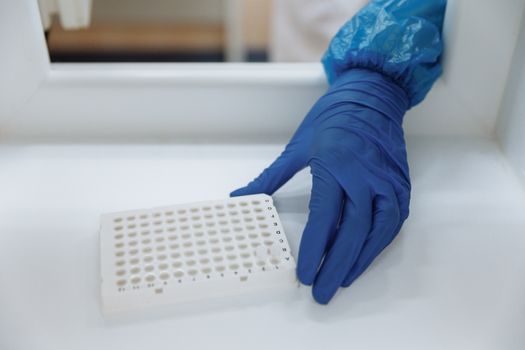
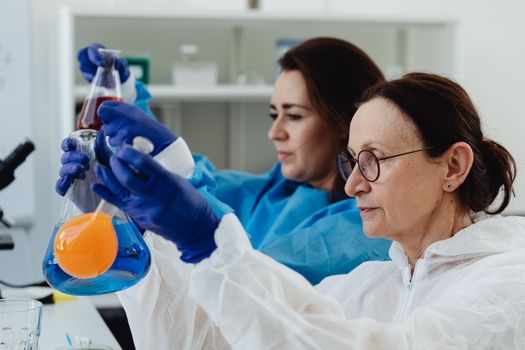
Imagine you are a detective, but instead of looking for clues about people, you are looking for tiny, tiny living things called microbes in food! A Food Safety Microbiologist in the UK does just that. They work to make sure that the food we eat every day, like yummy bread, tasty cheese, or refreshing juice, is safe and healthy. They look for bad germs that could make us sick and also check for good germs that are helpful, like those in yoghurt. They use special tools in a laboratory, which is like a super clean science room, to test food and make sure it is perfect to eat. It is a really important job because it helps keep everyone in the country healthy and happy. They help stop food from going off too quickly and make sure what we buy from the shops is always good for us.

Food Safety Microbiologist

Flag Media

Please select a reason for flagging this content.

📊 Statistics

Starting Salary

A Food Safety Microbiologist who is just starting out might earn around 20,000 to 25,000 pounds a year. That's a good amount of money for someone who is new to the job.

Experienced Salary

With more experience, a Food Safety Microbiologist can earn between 30,000 and 45,000 pounds a year. If they become very senior or a manager, they could earn even more.

Job Availability

There are many places that need Food Safety Microbiologists in the UK. You can find these jobs in food factories, special labs, and even government places that check food. It's an important job for keeping everyone safe.

🚀 Careers in this path

Flag Media

Please select a reason for flagging this content.

Food Taster

Imagine being a super taster! You would try different foods to make sure they taste yummy and are safe for everyone to eat. You might try new flavours of crisps or yummy yoghurts!

Flag Media

Please select a reason for flagging this content.

Kitchen Inspector

Like a detective for kitchens! You would visit places where food is made, like bakeries or school canteens, to check everything is super clean and tidy. You'd make sure all the food is kept in the right places so it stays fresh.

Flag Media

Please select a reason for flagging this content.

Food Scientist Helper

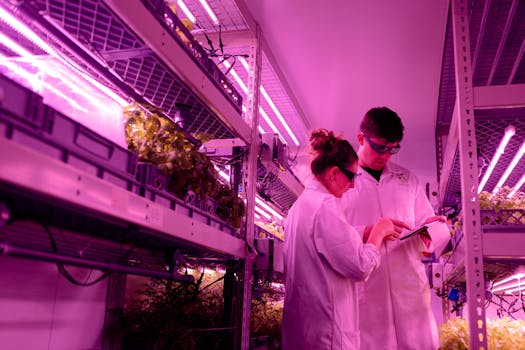
You could help a food scientist in a special kitchen called a lab. You might look closely at tiny bits of food using a magnifying glass to make sure there are no naughty germs. You'd help make sure food is good for tummies!

Learning About Germs

Be a Curious Kid

Start by asking lots of questions about everything around you, especially about food and where it comes from. How is milk made safe to drink?

When you're at school, pay extra attention in science lessons. Ask your teachers about bacteria and viruses, and how they can be good or bad. Read books about the human body, animals, and plants to understand how living things work. The more curious you are now, the easier it will be to learn about tiny microbes later!

Explore Science at Home

Do fun science experiments in your kitchen with an adult. You could watch mould grow on bread (from a safe distance!) or learn how yeast makes bread rise.

There are lots of safe and simple science experiments you can do at home. For example, you can see how different liquids mix, or grow crystals. Ask an adult to help you find some kid-friendly science kits or websites. This helps you get used to observing things carefully, just like a scientist does in a lab.

Visit Science Places

Go to science museums, zoos, or farms. These places help you learn about living things and how they interact with each other and their environment.

Science museums often have special sections for kids where you can touch, explore, and learn about different scientific ideas, including biology. Seeing animals at a zoo can teach you about different types of life, and visiting a farm can show you how food is grown and prepared, and why hygiene is important.

Growing Your Knowledge

Focus on Science at School

When you get a bit older, try your best in science subjects like biology and chemistry. These lessons will teach you about living things and how chemicals work.

In secondary school, choosing to study sciences like Biology, Chemistry, and maybe even Food Technology will be really helpful. These subjects lay the foundation for understanding microbiology. You will learn about cells, microorganisms, chemical reactions, and how they apply to food. Doing well in these subjects will prepare you for further studies.

Join Science Clubs

Look for science clubs at your school or in your local area. These clubs are a great way to do more experiments and meet other kids who love science.

Science clubs often offer hands-on activities that you might not get to do in regular lessons. You could build models, conduct mini-experiments, or even participate in science fairs. This is a fantastic way to deepen your interest, make friends with similar hobbies, and develop practical skills that are useful in a lab.

Read and Watch About Science

Read books, magazines, and watch documentaries about microbiology, food, and health. There are lots of fun ways to learn more!

There are many fascinating books and documentaries that explain complex science in an easy-to-understand way. Look for programmes about germs, the human body, or how food is produced safely. Websites and educational channels can also be great resources. The more you learn, the more you'll understand what a Food Safety Microbiologist does.

Becoming a Food Detective

Go to University

To become a Food Safety Microbiologist, you'll usually need to go to university to study a science degree like Microbiology, Food Science, or Biotechnology.

At university, you will study specific courses that teach you all about microorganisms, how they grow, how to identify them, and how they can affect food safety. You'll spend a lot of time in laboratories, learning how to use special equipment and conduct experiments safely and accurately. This is where you gain the expert knowledge needed for the job.

Get Practical Experience

While at university or after, try to get some work experience in a lab or a food company. This helps you see what the job is really like.

Many university courses include a placement year, or you can look for summer internships. Working in a real lab or a food production facility will give you hands-on experience with the equipment and techniques used in food safety microbiology. It also helps you understand the industry and meet people who are already working in this field, which can be very helpful for finding a job later.

Start Your First Job

After university and maybe some experience, you can apply for jobs as a Junior Food Safety Microbiologist or a Lab Technician. This is where your exciting career begins!

Your first job might involve working under the supervision of more experienced microbiologists, helping them with their tasks, and learning more specific skills. You'll be analysing food samples, writing reports, and helping to ensure food products are safe. As you gain more experience, you can take on more responsibility and even specialise in certain areas of food safety.

🎬 Useful Videos

🎯 View Apprenticeships

Explore relevant apprenticeships that can help you kickstart your career in Food Safety Microbiologist. Apprenticeships offer hands-on experience and training while earning a wage.

Career Progressions

This page showcases various career options and the pathways to reach them. Each career listed here shares transferable skills and knowledge, making it easier for individuals to transition between them.

Your current career is highlighted to help you see how it fits into the broader landscape of potential career choices. By clicking on any career, you can learn more about it, including the training and education required to pursue it.

Remember, progressing in your career often involves further learning and training. This page provides insights into future career options as well as those that can lead up to your current one.

These career progression decisions are informed by comparing the skills and knowledge needed for different occupations, along with data on how people move between them. Explore the possibilities and discover the exciting journey ahead in your career!

Sample Qualifications

A Food Safety Microbiologist primarily focuses on the microbiological aspects of food safety, including identifying and testing for harmful microorganisms. This aligns directly with the core duties of a Microbiologist, which involves studying microorganisms, their effects, and their applications, with a specific specialisation in food safety.

How to become

You can get into this job through:

  • a university course
  • an apprenticeship
  • working towards this role

University

To become a microbiologist, you could do a degree in:

  • microbiology
  • biology
  • life sciences
  • biological science

Some degree courses include an integrated master's qualification like MBiol or MSci. You'll usually have more time for independent research and they're designed to lead directly onto further postgraduate study like a PhD.

Training programme for the NHS

If you want to work in the NHS as a microbiologist, you could apply to the Scientist Training Programme (STP) after your degree.

You'll train on the job, get paid a salary and receive a master's degree at the end.

Entry requirements

You'll usually need:

  • 5 GCSEs at grades 9 to 4 (A* to C), or equivalent, including English, maths and science
  • 2 or 3 A levels, or equivalent, including biology for a degree
  • a degree in a relevant subject for postgraduate study

More Information

Apprenticeship

You may be able to become a microbiologist by doing an apprenticeship, for example:

  • Scientist Level 6 Degree Apprenticeship
  • Research Scientist Level 7 Degree Apprenticeship

These apprenticeships can take between 3 and 5 years to complete.

Entry requirements

You'll usually need:

  • 4 or 5 GCSEs at grades 9 to 4 (A* to C) and A levels, or equivalent, for a degree apprenticeship

More Information

Work

You might be able to get into microbiology by working your way up from a laboratory technician.

You would need to study part time for a biological science degree or degree apprenticeship while you work.

Volunteering

Volunteering in the NHS is a good way to get work experience in a healthcare lab. This can be helpful when you apply for jobs or training.

More Information

Professional and industry bodies

You can join the Microbiology Society to get professional recognition, find training opportunities and make new contacts.

Further information

You can get more advice about working in microbiology from the Microbiology Society and Health Careers.

Interested in More Career Paths?

Explore other careers or use our AI to discover personalised paths based on your interests.

Stay connected

Join our newsletter to stay up to date on features and releases

Address
Developing Experts Limited
Exchange Street Buildings
35-37 Exchange Street
Norwich
NR2 1DP
UK

Phone
01603 273515

Email
[email protected]

Copyright 2026 Developing Experts, All rights reserved.