

Creating Career Path...

Finding Further Careers...

Water Quality Scientist

View this career for different education levels:

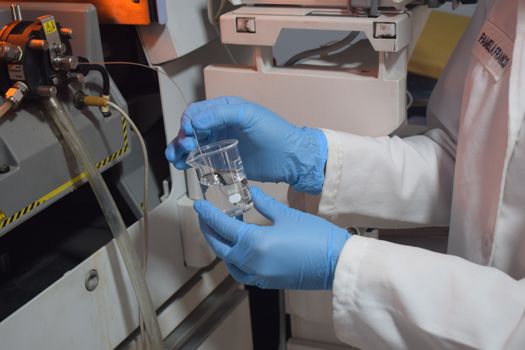
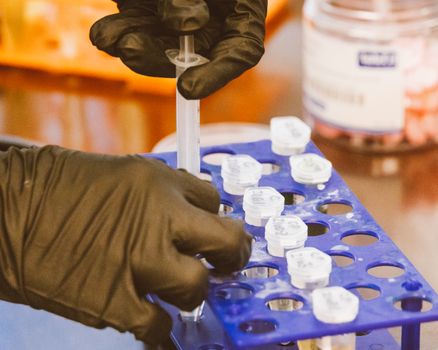
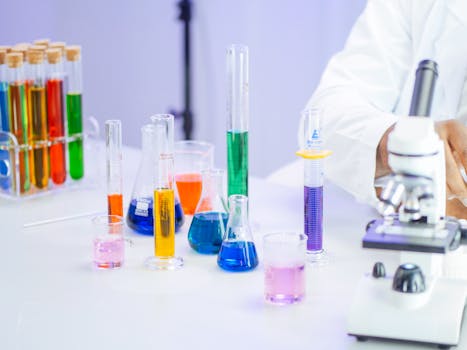
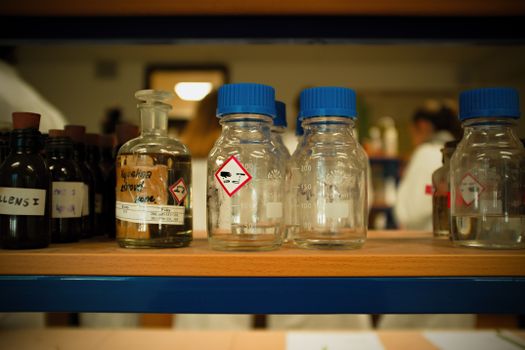
As a Water Quality Scientist in the UK, you play a crucial role in ensuring the safety and quality of our water supplies, from tap water to rivers and coastal areas. Your work involves conducting scientific analysis of water samples to monitor for pollutants, pathogens, and other contaminants. This often takes place in a laboratory setting, where you'll use a range of analytical techniques and equipment to test for chemical, biological, and physical parameters. Beyond the lab, you might be involved in fieldwork, collecting samples from various sources, or assessing potential risks. You'll interpret data, prepare reports, and often advise on treatment processes, regulatory compliance, and environmental protection. This career demands a strong scientific background, meticulous attention to detail, and a commitment to public health and environmental stewardship. Water Quality Scientists are employed by a range of organisations across the UK, including regional water utility companies, environmental agencies like the Environment Agency or Natural Resources Wales, public health bodies, environmental consultancies, and even some manufacturing industries that require stringent water quality control. Your responsibilities could also extend to developing and implementing water quality management plans, investigating pollution incidents, or contributing to research projects aimed at improving water treatment technologies and ecological understanding.

Water Quality Scientist

Flag Media

Please select a reason for flagging this content.

📊 Statistics

Average Salary Range

Starting salaries for Water Quality Scientists in the UK typically range from 20,000 to 28,000 per year. Experienced professionals can earn between 30,000 and 45,000, with senior roles potentially exceeding 50,000.

Number of Positions / Job Market

The water industry in the UK is a stable sector, with consistent demand for water quality professionals. While precise figures for new positions fluctuate, around 500-1000 water quality related roles are advertised annually across water companies, environmental consultancies, and regulatory bodies.

Typical Working Hours

Most Water Quality Scientists work standard full-time hours, typically 37-40 hours per week, Monday to Friday. However, some roles, especially those involving fieldwork or emergency response, may require occasional unsocial hours or being on-call.

🚀 Careers in this path

Flag Media

Please select a reason for flagging this content.

Hydrologist

A Hydrologist specialises in the study of water, focusing on its distribution, movement, and quality on Earth. This role often involves fieldwork, data analysis, and modelling to predict water-related issues and manage water resources effectively, crucial for ensuring safe drinking water and environmental protection. It's a natural progression for someone interested in water quality but with a broader scope.

Flag Media

Please select a reason for flagging this content.

Environmental Consultant (Water Focus)

An Environmental Consultant with a specialism in water provides expert advice to businesses, government bodies, and other organisations on environmental issues, specifically those related to water. This can involve conducting environmental impact assessments, developing sustainable water management plans, ensuring regulatory compliance, and addressing pollution concerns, all while maintaining water quality standards.

Flag Media

Please select a reason for flagging this content.

Process Scientist (Water Treatment)

A Process Scientist in water treatment focuses on optimising the purification processes that turn raw water into potable drinking water or treat wastewater before discharge. This involves monitoring treatment plant performance, troubleshooting issues, researching new treatment technologies, and ensuring that all treated water meets strict quality and safety regulations. It's a very hands-on role in applying scientific principles to real-world water challenges.

Build Your Foundational Knowledge

Academic Qualifications

Obtain a relevant undergraduate degree to establish a strong scientific foundation for a career in water quality.

A Bachelor's degree (BSc Hons) in subjects such as Environmental Science, Chemistry, Biology, Marine Biology, or a related scientific discipline is typically required. Look for programmes that include modules on analytical chemistry, microbiology, ecology, and environmental legislation. Some universities offer specialised degrees in Water Science or Environmental Quality, which can be particularly advantageous. Good A-Level grades, especially in science subjects like Chemistry and Biology, will be essential for university entry.

Develop Practical Skills

Actively seek opportunities to gain hands-on experience with laboratory techniques and fieldwork.

During your degree, pay close attention to practical lab sessions involving chemical analysis, microbial culturing, and environmental sampling. Seek out opportunities to participate in fieldwork, such as river surveys or water sampling exercises. Joining university societies related to environmental science or conservation can also provide valuable practical experience and networking opportunities. These practical skills are crucial for understanding the real-world application of your theoretical knowledge.

Understand UK Legislation

Familiarise yourself with the key environmental regulations and standards governing water quality in the UK.

Research and understand important UK legislation such as the Water Framework Directive (WFD), Environmental Permitting Regulations, and drinking water quality standards set by the Drinking Water Inspectorate (DWI). Knowing these frameworks is essential for ensuring compliance in your future role. Many university courses will cover these topics, but independent research will deepen your understanding and demonstrate initiative to potential employers.

Gain Relevant Experience

Internships & Placements

Secure internships or placements to gain direct experience within water companies, environmental consultancies, or regulatory bodies.

Many organisations, including water utility companies (e.g., Thames Water, Yorkshire Water), the Environment Agency, or private environmental consultancies, offer summer internships or year-long placements. These provide invaluable insights into the daily tasks of a Water Quality Scientist, laboratory operations, data analysis, and regulatory compliance. They also offer excellent networking opportunities and can often lead to graduate job offers. Start applying early, as competition can be high.

Volunteer Work

Volunteer with environmental organisations or charities to enhance your CV and demonstrate commitment.

Organisations focused on river conservation (e.g., local Rivers Trusts, Wildlife Trusts) often rely on volunteers for water sampling, monitoring, and habitat restoration projects. This kind of experience shows initiative, commitment to environmental protection, and provides practical skills that are directly relevant. It's also a great way to meet professionals in the field and learn more about local environmental issues.

Data Analysis Proficiency

Develop strong skills in data analysis and statistical software, which are crucial for interpreting water quality results.

Water Quality Scientists spend a significant amount of time analysing large datasets from laboratory tests and field monitoring. Proficiency in software like Microsoft Excel for data manipulation, and ideally statistical packages such as R or SPSS, will be highly beneficial. Learning Geographical Information Systems (GIS) for mapping and visualising environmental data can also give you a competitive edge. Look for online courses or workshops to supplement your university learning.

Launch Your Career

Apply for Entry-Level Roles

Actively search and apply for graduate or entry-level Water Quality Scientist positions.

Look for roles advertised by water companies, the Environment Agency, Natural England, Scottish Environment Protection Agency (SEPA), environmental consultancies, and local authorities. Entry-level positions might include 'Trainee Water Quality Scientist', 'Graduate Environmental Scientist', 'Laboratory Technician (Water)', or 'Environmental Monitoring Officer'. Tailor your CV and cover letter to highlight your relevant degree, practical skills, and any work experience or volunteering. Be prepared to discuss your understanding of UK water quality regulations during interviews.

Consider Further Education

Evaluate if a postgraduate degree would enhance your career prospects or allow specialisation.

While not always mandatory for entry-level roles, a Master's degree (MSc) in a specialised area such as Hydrochemistry, Environmental Monitoring, or Water Resource Management can significantly boost your career trajectory, particularly if you aim for research or senior management positions. It allows for deeper specialisation and often includes advanced research projects. Some employers may even sponsor postgraduate study for exceptional employees.

Professional Development

Join relevant professional bodies and commit to continuous professional development (CPD).

Becoming a member of professional organisations such as the Institute of Water, the Chartered Institution of Water and Environmental Management (CIWEM), or the Royal Society of Chemistry (RSC) can provide access to training, networking events, and industry updates. These bodies often offer routes to chartered status, which demonstrates a high level of competence and commitment to your profession. Continuous learning through short courses, workshops, and conferences is vital to stay current with evolving science and regulations.

🎬 Useful Videos

🎯 View Apprenticeships

Explore relevant apprenticeships that can help you kickstart your career in Water Quality Scientist. Apprenticeships offer hands-on experience and training while earning a wage.

Career Progressions

This page showcases various career options and the pathways to reach them. Each career listed here shares transferable skills and knowledge, making it easier for individuals to transition between them.

Your current career is highlighted to help you see how it fits into the broader landscape of potential career choices. By clicking on any career, you can learn more about it, including the training and education required to pursue it.

Remember, progressing in your career often involves further learning and training. This page provides insights into future career options as well as those that can lead up to your current one.

These career progression decisions are informed by comparing the skills and knowledge needed for different occupations, along with data on how people move between them. Explore the possibilities and discover the exciting journey ahead in your career!

Sample Qualifications

A Water Quality Scientist often studies aquatic environments (lakes, rivers, oceans) to assess water health, which aligns closely with the scope of an Oceanographer who specialises in the physical and biological aspects of oceans, including water chemistry and quality.

How to become

You can get into this job through a university course.

University

You can study for a degree in oceanography or a related subject, like:

  • ocean science
  • geology
  • physics
  • marine science
  • biology or chemistry
  • environmental science

Employers often look for students with postgraduate qualifications, like a master's degree or PhD. They also value experience of working in marine science, engineering or oceanographic research.

You can get experience by choosing a course that includes work placements or internships with a marine company or research centre.

You can find marine companies and research organisations through the Society for Underwater Technology.

Entry requirements

You'll usually need:

  • 5 GCSEs at grades 9 to 4 (A* to C), or equivalent, including English, maths and science
  • 3 A levels, or equivalent, including at least 1 science
  • a degree in a relevant subject for postgraduate study

More Information

More Information

Career tips

You could contact marine companies to see if you could work with them on a project as part of your university dissertation or postgraduate research. This would allow you to build up contacts in the industry, who may be able to help you find work once you complete your studies.

Further information

You can find out more about becoming an oceanographer from the:

Interested in More Career Paths?

Explore other careers or use our AI to discover personalised paths based on your interests.

Stay connected

Join our newsletter to stay up to date on features and releases

Address
Developing Experts Limited
Exchange Street Buildings
35-37 Exchange Street
Norwich
NR2 1DP
UK

Phone
01603 273515

Email
[email protected]

Copyright 2026 Developing Experts, All rights reserved.