
Creating Career Path...

Finding Further Careers...

Water Quality Scientist

View this career for different education levels:

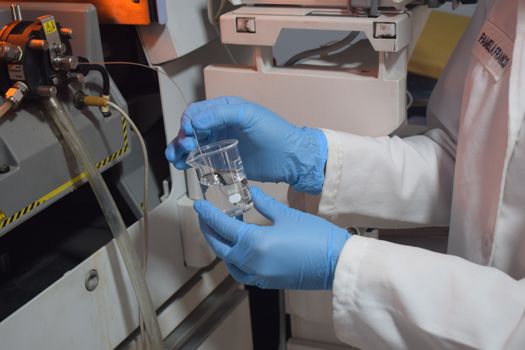
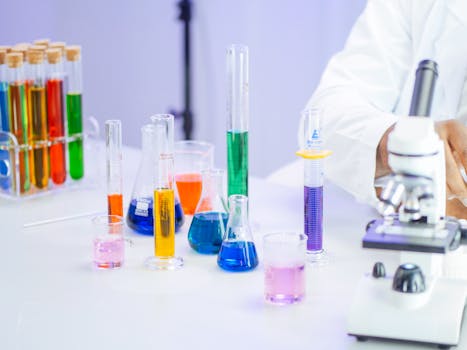
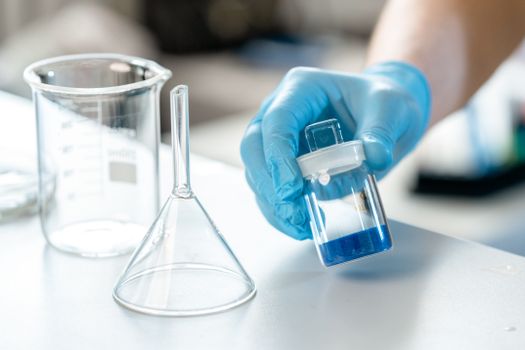
Imagine a superhero who makes sure the water you drink, bathe in, and even the water fish live in, is super clean and safe. That's a bit like what a Water Quality Scientist does! These amazing scientists work to check the water all around us, like in rivers, lakes, and the water that comes out of your tap at home. They take samples of water and look at them really closely in a lab, like a special science detective. They use special tools to see if there are any tiny things in the water that shouldn't be there, or if the water has the right amount of helpful things in it. They make sure the water is healthy for everyone and everything that uses it. They also help find ways to make water even better if it needs to be cleaned up.

Water Quality Scientist

Flag Media

Please select a reason for flagging this content.

📊 Statistics

Average Starting Salary

For someone just starting out as a Water Quality Scientist in the UK, they might earn around 20,000 to 25,000 pounds a year. That's a good amount of money to begin with.

Experienced Salary Range

When you have more experience and become very good at your job, you could earn between 30,000 and 45,000 pounds or even more each year. That shows how much your skills can grow.

Job Openings

There are many places that need Water Quality Scientists across the UK, from big cities to smaller towns. This means there are lots of opportunities for people who want to keep our water clean and safe.

🚀 Careers in this path

Flag Media

Please select a reason for flagging this content.

River Detective

Imagine you're a detective for rivers. You'd visit different parts of a river, look closely at the water, and see what tiny creatures are living there to understand if the water is clean and healthy for fish and other animals.

Flag Media

Please select a reason for flagging this content.

Tap Water Tester

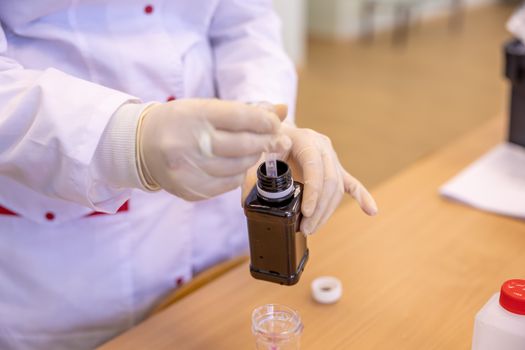
This job is all about making sure the water that comes out of our taps at home is super clean and safe to drink. You'd take small samples of tap water and use special tools to check it for anything that shouldn't be there, like tiny bits of dirt.

Flag Media

Please select a reason for flagging this content.

Beach Water Monitor

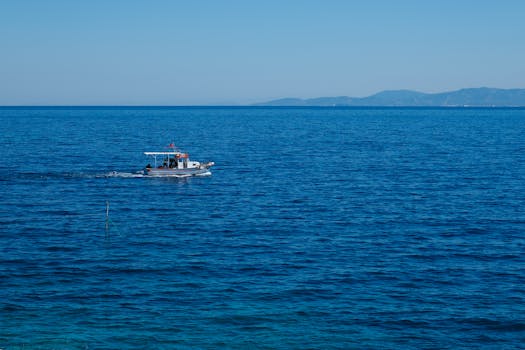
If you love the seaside, this could be for you! You'd go to different beaches and take samples of the sea water. Your job would be to check if the water is clean and safe for everyone to swim and play in, especially during sunny holidays.

Learning About Water

Be Curious About Water

Start by being super interested in water all around you! Where does it come from? What happens to it when it rains? Why is it important?

You can start learning about water right now! When you wash your hands, think about where the water comes from and where it goes. Look at puddles after it rains or notice how clean the water in your tap is. This curiosity is the very first step to becoming a Water Quality Scientist. The more questions you ask, the more you'll want to find out the answers!

Learn Science at School

Pay close attention in your science lessons, especially when you learn about water, plants, and the environment. These lessons will give you important tools for the future.

In school, your science classes will teach you about amazing things like how plants grow, why water evaporates, and what makes things clean or dirty. These are all vital for understanding water quality. Ask your teacher lots of questions and enjoy doing experiments. The more you learn now, the better prepared you'll be for bigger scientific challenges later on.

Visit Nature Spots

Go to places with water like rivers, lakes, beaches, or even big parks with ponds. See how different the water looks and feels in each place.

When you visit natural places, you get to see water in its natural environment. You might notice differences in colour, how clear it is, or even what animals and plants live near it. This helps you understand the bigger picture of water quality in the real world. You could even look for clean-up days at local parks or beaches to help keep our water environments healthy.

Developing Skills

Do Fun Water Experiments

Try simple water experiments at home or school, like seeing what dissolves in water or how to make dirty water a bit cleaner. Always have a grown-up help you!

There are lots of safe and fun experiments you can do. For example, you could take two clear glasses of water, put a spoonful of salt in one and a spoonful of sand in the other, and see what happens. Or try to filter some muddy water using different materials like cotton wool or a coffee filter. These activities help you understand how water behaves and how we can clean it, just like a scientist would.

Read Books About Water

Find books about water, oceans, rivers, and environmental science in your library or online. There are lots of cool facts to discover!

Reading books specifically about water can teach you so much. You can learn about the water cycle, different types of marine life, and how pollution affects our planet. Look for non-fiction books that explain scientific concepts in a simple way. The more you read, the more knowledge you'll build, which is very important for a scientist.

Join a Science Club

If your school has a science club, join it! You'll get to do more experiments and meet other kids who love science too.

Science clubs are fantastic because they often do exciting hands-on projects that you might not do in regular lessons. You might build models, conduct different types of experiments, or even go on science-related trips. Being part of a club helps you practise teamwork and problem-solving, which are skills every Water Quality Scientist needs.

Future Steps

Study Science in Secondary School

When you go to secondary school, choose subjects like biology, chemistry, and physics. These are the building blocks for becoming a scientist.

In secondary school, you'll have more choices about what subjects to study. Make sure you pick as many science subjects as you can. Biology teaches you about living things, chemistry about different materials and how they react, and physics about forces and energy. All of these are important for understanding water and the environment. Work hard in these subjects to get good grades!

Go to University for Science

After secondary school, you'll need to go to university to study a science degree like Environmental Science, Chemistry, or Biology.

A university degree is usually needed to become a Water Quality Scientist. Programmes like Environmental Science, Chemistry, or Biology will teach you all the advanced scientific knowledge and practical skills you need. You'll learn about things like water pollution, how to test water samples, and how to protect our environment. It's an exciting time of deep learning and discovery!

Find Work Experience

Look for chances to get work experience, maybe at a water company, an environmental organisation, or a lab. This helps you see what the job is really like.

Getting some work experience, even just for a short time, is incredibly valuable. It shows you what a Water Quality Scientist actually does day-to-day. You might get to visit a water treatment plant, see a lab, or even help collect samples. This kind of experience not only looks great on your CV but also helps you decide if this is truly the career for you and gives you a head start.

🎬 Useful Videos

🎯 View Apprenticeships

Explore relevant apprenticeships that can help you kickstart your career in Water Quality Scientist. Apprenticeships offer hands-on experience and training while earning a wage.

Career Progressions

This page showcases various career options and the pathways to reach them. Each career listed here shares transferable skills and knowledge, making it easier for individuals to transition between them.

Your current career is highlighted to help you see how it fits into the broader landscape of potential career choices. By clicking on any career, you can learn more about it, including the training and education required to pursue it.

Remember, progressing in your career often involves further learning and training. This page provides insights into future career options as well as those that can lead up to your current one.

These career progression decisions are informed by comparing the skills and knowledge needed for different occupations, along with data on how people move between them. Explore the possibilities and discover the exciting journey ahead in your career!

Sample Qualifications

A Water Quality Scientist often studies aquatic environments to assess water quality, which aligns closely with the scope of Oceanography, particularly in coastal or estuarine contexts. While not exclusively marine, the scientific analysis of water systems is a core duty for both roles.

How to become

You can get into this job through a university course.

University

You can study for a degree in oceanography or a related subject, like:

  • ocean science
  • geology
  • physics
  • marine science
  • biology or chemistry
  • environmental science

Employers often look for students with postgraduate qualifications, like a master's degree or PhD. They also value experience of working in marine science, engineering or oceanographic research.

You can get experience by choosing a course that includes work placements or internships with a marine company or research centre.

You can find marine companies and research organisations through the Society for Underwater Technology.

Entry requirements

You'll usually need:

  • 5 GCSEs at grades 9 to 4 (A* to C), or equivalent, including English, maths and science
  • 3 A levels, or equivalent, including at least 1 science
  • a degree in a relevant subject for postgraduate study

More Information

More Information

Career tips

You could contact marine companies to see if you could work with them on a project as part of your university dissertation or postgraduate research. This would allow you to build up contacts in the industry, who may be able to help you find work once you complete your studies.

Further information

You can find out more about becoming an oceanographer from the:

Interested in More Career Paths?

Explore other careers or use our AI to discover personalised paths based on your interests.

Stay connected

Join our newsletter to stay up to date on features and releases

Address
Developing Experts Limited
Exchange Street Buildings
35-37 Exchange Street
Norwich
NR2 1DP
UK

Phone
01603 273515

Email
[email protected]

Copyright 2026 Developing Experts, All rights reserved.