Creating Career Path...

Finding Further Careers...

Quality Assurance Technician In Food Production

View this career for different education levels:

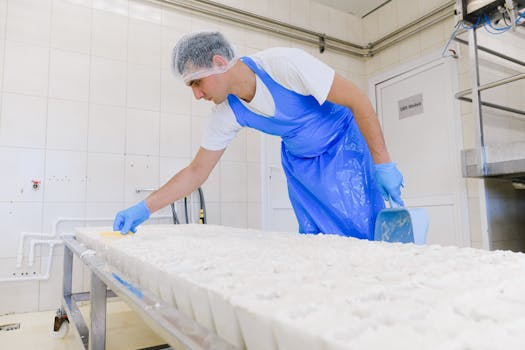
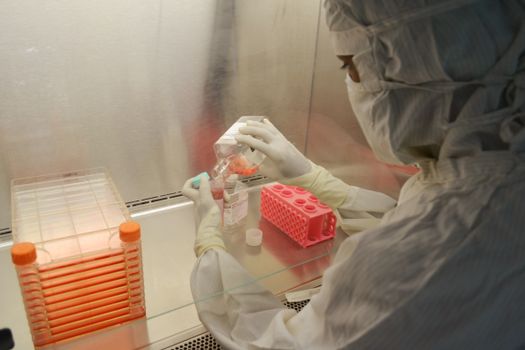
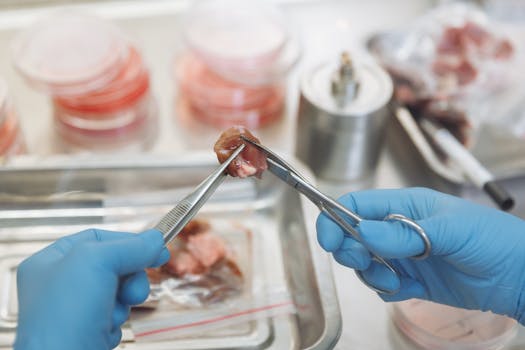
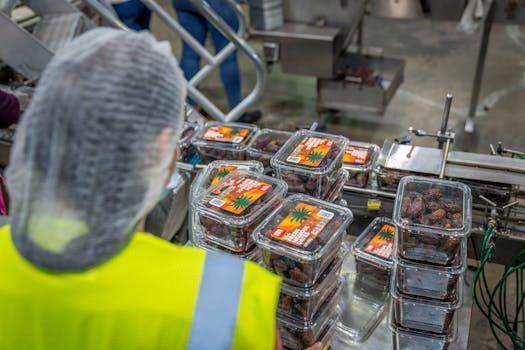
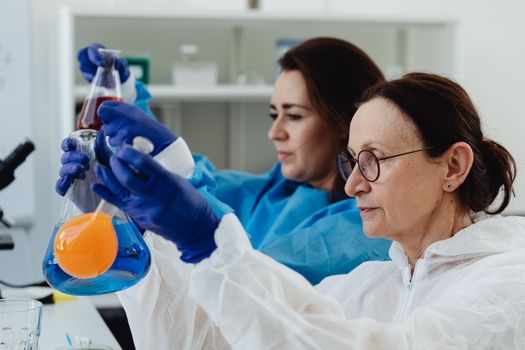
Imagine you are working in a factory that makes your favourite crisps or biscuits. As a Quality Assurance (QA) Technician in Food Production, your main job is to make sure that every single packet or product is safe to eat and meets all the high standards. You are like a detective for food, checking that everything from the ingredients arriving at the factory to the finished product leaving it is perfect. This means you might be taking samples of food to test in a lab, checking temperatures, making sure machines are clean, and looking for any tiny mistakes that could make the food unsafe or not as good as it should be. You'll use special equipment to perform tests and keep detailed records of all your checks. Your work helps to protect people's health and ensures that customers always get delicious, high-quality food. Being a QA Technician involves a lot of responsibility because you are ensuring that food is safe for everyone. You'll need to be really observant, organised, and good at following rules and procedures. You might work in a laboratory, on the factory floor, or a bit of both. It is a very important role in the food industry because without people like you, we couldn't be sure that the food we buy in shops is safe and tasty.

Quality Assurance Technician In Food Production

Flag Media

Please select a reason for flagging this content.

📊 Statistics

Average Starting Salary

For someone just starting out as a Quality Assurance Technician in Food Production in the UK, you could expect to earn around 20,000 to 25,000 pounds per year. As you gain more experience, this can increase significantly.

Experienced Salary

With a few years of experience, a Quality Assurance Technician can earn between 28,000 to 35,000 pounds per year, and those in more senior roles or with specialist skills could earn even more.

Job Availability

There are usually many opportunities for Quality Assurance Technicians across the UK, especially in areas with a lot of food manufacturing. Websites like Indeed and LinkedIn often show hundreds of job listings at any one time, indicating a steady demand for these roles.

🚀 Careers in this path

Flag Media

Please select a reason for flagging this content.

Food Safety Inspector

Imagine you are a detective, but for food You would visit factories and restaurants to make sure they are following all the rules to keep food safe and tasty for everyone to eat. It is really important work to stop people from getting ill.

Flag Media

Please select a reason for flagging this content.

New Food Product Developer

This is a super creative job where you get to invent brand new foods and drinks. You would think about new flavours, how to make things healthy, and how to make sure they taste amazing. You might even get to try lots of different foods as part of your job.

Flag Media

Please select a reason for flagging this content.

Ingredient Specialist

Do you love learning about what goes into your favourite foods? An Ingredient Specialist helps food companies choose the best ingredients. They make sure the ingredients are high quality, safe, and come from good places. They also help make sure the food tastes just right.

Build Your Foundations

Focus on Key School Subjects

In school, pay extra attention in subjects like Science (especially Biology and Chemistry), Maths, and English. These subjects will give you a great base for understanding food science and safety.

Understanding how different ingredients react, the importance of hygiene, and how to measure things accurately are all super important for this job. Biology helps you understand microorganisms (tiny bugs) that can affect food, Chemistry helps with understanding food composition, and Maths is crucial for calculations and data analysis. English is important for clear communication and report writing.

Explore Food and Health

Look for opportunities to learn about food preparation, nutrition, and hygiene. This could be through school clubs, cooking at home, or even watching documentaries about food production.

Any experience you can gain with food, even in a home kitchen setting, will be valuable. Learning about how to safely store food, prevent cross-contamination, and the basics of healthy eating can kickstart your understanding of food quality. Consider getting involved in any food technology classes offered at your school.

Develop Observation Skills

Practise being really observant. A Quality Assurance Technician needs to spot small details that others might miss, like tiny changes in colour or texture, or mistakes in labelling.

You can develop these skills by playing observation games, helping out with tasks that require attention to detail, or even just noticing things around you more closely. For example, if you're helping with baking, try to notice if a recipe is followed exactly or if anything looks slightly different. This 'eagle eye' is a key trait for a QA technician.

Gain Knowledge and Experience

Choose Relevant Further Education

After your GCSEs, you could consider A-levels in Science subjects (like Biology, Chemistry, or Food Technology) or look into vocational courses like a BTEC in Applied Science or Food Science.

These qualifications will give you specific knowledge about food safety, quality management systems, and laboratory techniques. A BTEC is often more hands-on and coursework-based, which can be great for practical learners, while A-levels offer a strong academic foundation for university study if you decide to go down that route later.

Look for Work Experience

Try to get some work experience in a food environment, even if it's just helping in a local shop, cafe, or school canteen. This shows you're keen and helps you understand how a food business works.

While direct experience in a food factory might be hard to get at first, any role where you handle food, clean equipment, or work in a hygienic environment will be useful. It helps you understand the importance of rules and procedures, which is a huge part of being a Quality Assurance Technician. Even volunteering can count!

Consider Apprenticeships or Traineeships

After leaving school, many food companies offer apprenticeships where you can learn on the job and get qualifications at the same time. This is a brilliant way to start your career!

Apprenticeships are a fantastic way to combine practical work with studying. You'll work a few days a week and study for a qualification (like a Level 2 or 3 Food Science and Technology apprenticeship) for the rest. This means you're earning money, gaining real-world experience, and getting qualified all at once. Search for food manufacturing apprenticeships online or through your school's career advisor.

Start Your Career

Apply for Entry-Level QA Roles

Look for jobs advertised as 'Trainee Quality Assurance Technician', 'Junior QA Assistant', or 'Laboratory Assistant' in food production companies. Emphasise your relevant studies and any work experience.

When applying, make sure your CV (your professional summary of yourself) highlights your science subjects, any food-related experience, and your keen eye for detail. Be prepared to talk about why you're interested in food safety during an interview. Many entry-level roles provide on-the-job training, so don't worry if you don't know absolutely everything yet.

Learn On The Job

Once you start, be a sponge! Ask questions, listen carefully to experienced colleagues, and really try to understand all the different tests and checks they do to ensure food quality.

You'll learn about things like checking temperatures, pH levels, ingredient weights, packaging integrity, and hygiene standards. You'll also learn about the specific safety rules and regulations that the food factory has to follow. The more you learn, the more valuable you'll become to the team. Don't be afraid to take notes and clarify anything you don't understand.

Continue Professional Development

The world of food safety is always changing. Keep learning about new regulations, technologies, and best practices. Your employer might offer further training courses, or you can look for them yourself.

As you gain experience, you might want to pursue further qualifications like a Level 4 in Food Safety Management or HACCP (Hazard Analysis and Critical Control Points) training. These qualifications show you're serious about your career and can open doors to more senior roles like Quality Assurance Supervisor or Manager. Staying updated is key to a successful career in this field.

🎬 Useful Videos

🎯 View Apprenticeships

Explore relevant apprenticeships that can help you kickstart your career in Quality Assurance Technician In Food Production. Apprenticeships offer hands-on experience and training while earning a wage.

Career Progressions

This page showcases various career options and the pathways to reach them. Each career listed here shares transferable skills and knowledge, making it easier for individuals to transition between them.

Your current career is highlighted to help you see how it fits into the broader landscape of potential career choices. By clicking on any career, you can learn more about it, including the training and education required to pursue it.

Remember, progressing in your career often involves further learning and training. This page provides insights into future career options as well as those that can lead up to your current one.

These career progression decisions are informed by comparing the skills and knowledge needed for different occupations, along with data on how people move between them. Explore the possibilities and discover the exciting journey ahead in your career!

Sample Qualifications

A Quality Assurance Technician in Food Production primarily ensures food safety and quality standards, which aligns with the duties of a Food Manufacturing Inspector who monitors compliance and quality in food production environments.

How to become

You can get into this job through:

  • a college course
  • an apprenticeship
  • working towards this role
  • training with a professional body

College

You could do a college course to get some of the skills and knowledge you need for this job.

Courses include:

  • food and drink operations
  • T Level in Science

Once working, you would complete further training to become an inspector.

Entry requirements

Entry requirements for these courses vary.

  • 4 or 5 GCSEs at grades 9 to 4 (A* to C), or equivalent, including English and maths for a T Level

More Information

Apprenticeship

You can apply to do an apprenticeship, for example:

  • Food Industry Technologist Level 3 Advanced Apprenticeship
  • Hygiene Specialist Level 4 Higher Apprenticeship

You would complete further training in food quality and inspection after finishing your apprenticeship.

Entry requirements

You'll usually need:

  • 5 GCSEs at grades 9 to 4 (A* to C), or equivalent, including English and maths, for an advanced apprenticeship
  • 4 or 5 GCSEs at grades 9 to 4 (A* to C) and A levels, or equivalent, for a higher or degree apprenticeship

More Information

Work

If you want to work as a meat inspector, for example, in a meat processing plant or slaughterhouse, you'll need to complete industry recognised qualifications, such as:

  • Level 2 Certificate for Proficiency in Poultry Meat Inspection
  • Level 4 Diploma for Proficiency in Meat Inspection

You must be working in the meat industry to do the practical assessments needed to complete the courses.

You'll find more details about the qualifications and training providers through the Royal Society for Public Health .

Other Routes

You can complete training and qualifications through the Chartered Institute of Environmental Health.

Qualifications include:

  • Higher Certificate in Food Control
  • Advanced Professional Certificate in Food Hygiene and Standards Control

You will also complete a portfolio of work for assessment as part of the training.

Further information

You can find out more about careers in the food and drinks industry from Tasty Careers.

Interested in More Career Paths?

Explore other careers or use our AI to discover personalised paths based on your interests.

Stay connected

Join our newsletter to stay up to date on features and releases

Address
Developing Experts Limited
Exchange Street Buildings
35-37 Exchange Street
Norwich
NR2 1DP
UK

Phone
01603 273515

Email
[email protected]

Copyright 2026 Developing Experts, All rights reserved.