


Creating Career Path...

Finding Further Careers...

Quality Assurance Technician In Food Production

View this career for different education levels:

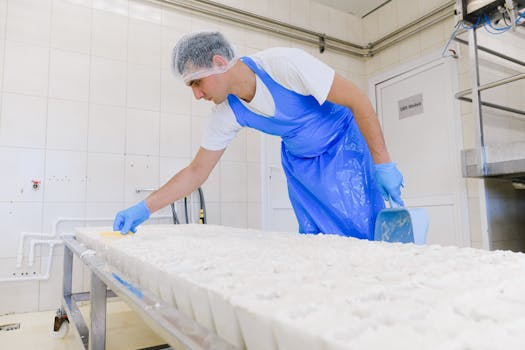
As a Quality Assurance Technician in food production, your primary role is to ensure that food products are safe for consumption and meet all specified quality standards, legal requirements, and customer expectations. You'll be instrumental in upholding the integrity of the food manufacturing process from raw materials through to finished products. This involves carrying out a variety of checks and tests, such as monitoring critical control points, conducting microbiological sampling, testing product specifications like pH, viscosity, and temperature, and inspecting packaging for accuracy and damage. You will also be responsible for maintaining meticulous records of all quality checks and tests, investigating any non-conformances or deviations, and helping to implement corrective actions. A key aspect of the role is ensuring adherence to food safety management systems, such as HACCP (Hazard Analysis and Critical Control Points) and BRCGS (Brand Reputation Through Compliance Global Standards), and often involves internal auditing and supporting external audits. It's a hands-on role that requires a keen eye for detail, a methodical approach, and a strong understanding of food science and safety principles. Working as a Quality Assurance Technician is vital for protecting public health and maintaining a company's reputation. You'll work closely with production teams, advising on best practices and identifying areas for improvement in hygiene, process control, and product consistency. This often means providing training and guidance to production operatives on quality standards and procedures. The role requires good communication skills, as you'll need to report findings clearly and concisely, sometimes escalating issues to management. It's a dynamic environment where you might be involved in new product development, helping to establish quality parameters for new lines, or troubleshooting issues that arise during production. If you're passionate about food, enjoy a scientific approach, and want to contribute to producing high-quality, safe food for consumers, this career could be an excellent fit for you.

Quality Assurance Technician In Food Production

Flag Media

Please select a reason for flagging this content.

📊 Statistics

Average Salary Range

For a Quality Assurance Technician in UK food production, the typical starting salary can be around £22,000 to £26,000. With experience, this can rise to £28,000 to £35,000, and for senior roles, it may exceed £40,000 annually.

Number of Job Openings

The food and drink manufacturing sector is a significant employer in the UK. Across various job boards and industry specific platforms, there are typically hundreds of Quality Assurance Technician and similar roles advertised at any given time, indicating a steady demand for qualified individuals nationwide.

Working Hours

Many Quality Assurance Technician roles operate on shift patterns to cover production hours, which can include early mornings, evenings, weekends, and sometimes night shifts. Standard full-time hours are usually around 37-40 hours per week.

🚀 Careers in this path

Flag Media

Please select a reason for flagging this content.

Hygienist in Food Manufacturing

Specialises in maintaining and improving hygiene standards across a food production facility. This involves developing and implementing cleaning schedules, conducting hygiene audits, and ensuring compliance with food safety regulations. It's a hands-on role focused on preventative measures to ensure product safety and quality.

Flag Media

Please select a reason for flagging this content.

Food Safety Auditor

Conducts independent assessments of food production facilities, processes, and systems to ensure compliance with national and international food safety standards. This role involves reviewing documentation, interviewing staff, and observing practices to identify areas for improvement and ensure regulatory adherence. Often involves travel to different sites.

Flag Media

Please select a reason for flagging this content.

New Product Development Technologist Food

Works within the product development team to ensure that new food products meet specific quality, safety, and regulatory standards from conception to launch. This involves conducting trials, sensory evaluations, shelf-life testing, and scaling up recipes for factory production, all while maintaining strict quality control throughout the process.

Build Your Foundational Knowledge

Academic Qualifications

Obtain relevant academic qualifications that provide a strong understanding of food science, technology, and safety principles.

A BTEC National Diploma or A-Levels in subjects like Food Technology, Biology, Chemistry, or Applied Science are excellent starting points. Many employers also look for a degree in Food Science, Food Technology, Microbiology, or a related scientific discipline. These courses will equip you with essential knowledge of food chemistry, microbiology, processing, and quality control systems like HACCP (Hazard Analysis and Critical Control Points).

Food Safety Certifications

Gain industry-recognised food safety qualifications to demonstrate your commitment and understanding of critical hygiene standards.

Look into certifications such as the Level 2 or 3 Award in Food Safety for Manufacturing from accredited bodies like Highfield or RSPH. These courses cover essential topics like personal hygiene, cleaning, cross-contamination prevention, and pest control, which are fundamental to a QA Technician's role. Some employers might even sponsor you for these once employed, but having them beforehand can give you an edge.

Understand Industry Standards

Familiarise yourself with the key quality and safety standards that govern the food production industry in the UK.

Research standards like HACCP, BRCGS (Brand Reputation Compliance Global Standard) for Food Safety, and ISO 22000. Understanding the principles behind these standards, what they aim to achieve, and how they are implemented in a food manufacturing environment will be invaluable. Many job descriptions will explicitly mention these, so knowing about them shows initiative and readiness for the role.

Gain Practical Experience

Entry-Level Roles or Internships

Seek out opportunities for hands-on experience within a food manufacturing environment.

Consider applying for entry-level positions such as Production Operative, Technical Assistant, or even an internship/placement year if you are still studying. These roles provide crucial insights into daily operations, manufacturing processes, and the challenges faced in maintaining quality. It's a great way to learn about the practical application of food safety principles and to network within the industry.

Volunteer or Shadowing Opportunities

Explore volunteer work or shadowing professionals in food safety departments to observe real-world practices.

While less common for direct QA roles, if you're struggling to find paid experience, reaching out to local food businesses to ask about shadowing opportunities could be beneficial. Even observing a QA team for a day can provide valuable context and help you understand the responsibilities and daily tasks involved, which you can then discuss in interviews. Any experience demonstrating an interest and understanding of the food production environment is valuable.

Develop Lab Skills

Practice and refine laboratory skills relevant to food testing and analysis.

Many QA Technician roles involve laboratory work, such as microbiological testing, chemical analysis, and sensory evaluation. If your academic course includes practical lab sessions, ensure you pay close attention and try to gain as much hands-on experience as possible. If not, look for online courses or workshops that can teach basic lab techniques, aseptic sampling, and data recording, as these are critical skills for the job.

Secure Your First Role and Progress

Job Application and Interview Prep

Tailor your CV and cover letter to highlight your relevant qualifications, skills, and any experience, then prepare thoroughly for interviews.

When applying, ensure your CV clearly outlines your academic achievements, any food safety certifications, and practical experience. In your cover letter, articulate your passion for food safety and quality. For interviews, be ready to discuss your understanding of HACCP, good manufacturing practices (GMPs), and problem-solving scenarios related to food quality. Research the company to show genuine interest.

Continuous Professional Development

Once in the role, commit to ongoing learning and skill development to stay current with industry best practices and regulations.

The food industry is constantly evolving, with new regulations and technologies emerging. Seek out opportunities for further training, such as advanced HACCP courses, internal company training on specific processes, or workshops on new testing methodologies. Showing initiative in continuous learning can open doors to promotions and more specialised roles within quality assurance, such as Senior QA Technician or Technical Manager.

Networking and Mentorship

Build professional relationships within the industry and seek out mentors who can guide your career growth.

Attend industry events, seminars, and webinars to connect with other professionals in food production and quality assurance. Joining professional bodies like the Institute of Food Science & Technology (IFST) can also provide excellent networking opportunities and access to resources. A mentor, whether formal or informal, can offer invaluable advice, share experiences, and help you navigate your career path more effectively.

🎯 View Apprenticeships

Explore relevant apprenticeships that can help you kickstart your career in Quality Assurance Technician In Food Production. Apprenticeships offer hands-on experience and training while earning a wage.

Career Progressions

This page showcases various career options and the pathways to reach them. Each career listed here shares transferable skills and knowledge, making it easier for individuals to transition between them.

Your current career is highlighted to help you see how it fits into the broader landscape of potential career choices. By clicking on any career, you can learn more about it, including the training and education required to pursue it.

Remember, progressing in your career often involves further learning and training. This page provides insights into future career options as well as those that can lead up to your current one.

These career progression decisions are informed by comparing the skills and knowledge needed for different occupations, along with data on how people move between them. Explore the possibilities and discover the exciting journey ahead in your career!

Sample Qualifications

A Quality Assurance Technician in Food Production primarily ensures food safety and quality standards, which aligns with the duties of a Food Manufacturing Inspector who monitors compliance within food production facilities.

How to become

You can get into this job through:

  • a college course
  • an apprenticeship
  • working towards this role
  • training with a professional body

College

You could do a college course to get some of the skills and knowledge you need for this job.

Courses include:

  • food and drink operations
  • T Level in Science

Once working, you would complete further training to become an inspector.

Entry requirements

Entry requirements for these courses vary.

  • 4 or 5 GCSEs at grades 9 to 4 (A* to C), or equivalent, including English and maths for a T Level

More Information

Apprenticeship

You can apply to do an apprenticeship, for example:

  • Food Industry Technologist Level 3 Advanced Apprenticeship
  • Hygiene Specialist Level 4 Higher Apprenticeship

You would complete further training in food quality and inspection after finishing your apprenticeship.

Entry requirements

You'll usually need:

  • 5 GCSEs at grades 9 to 4 (A* to C), or equivalent, including English and maths, for an advanced apprenticeship
  • 4 or 5 GCSEs at grades 9 to 4 (A* to C) and A levels, or equivalent, for a higher or degree apprenticeship

More Information

Work

If you want to work as a meat inspector, for example, in a meat processing plant or slaughterhouse, you'll need to complete industry recognised qualifications, such as:

  • Level 2 Certificate for Proficiency in Poultry Meat Inspection
  • Level 4 Diploma for Proficiency in Meat Inspection

You must be working in the meat industry to do the practical assessments needed to complete the courses.

You'll find more details about the qualifications and training providers through the Royal Society for Public Health .

Other Routes

You can complete training and qualifications through the Chartered Institute of Environmental Health.

Qualifications include:

  • Higher Certificate in Food Control
  • Advanced Professional Certificate in Food Hygiene and Standards Control

You will also complete a portfolio of work for assessment as part of the training.

Further information

You can find out more about careers in the food and drinks industry from Tasty Careers.

Interested in More Career Paths?

Explore other careers or use our AI to discover personalised paths based on your interests.

Stay connected

Join our newsletter to stay up to date on features and releases

Address
Developing Experts Limited
Exchange Street Buildings
35-37 Exchange Street
Norwich
NR2 1DP
UK

Phone
01603 273515

Email
[email protected]

Copyright 2026 Developing Experts, All rights reserved.