



Creating Career Path...

Finding Further Careers...

Quality Assurance Technician In Food Production

View this career for different education levels:

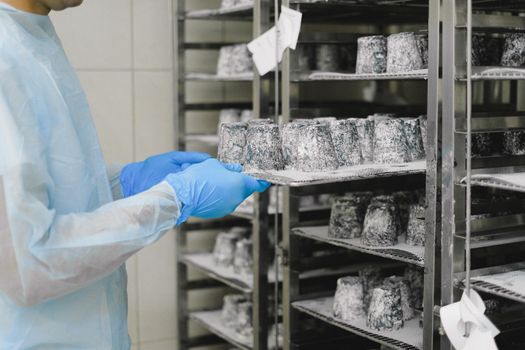
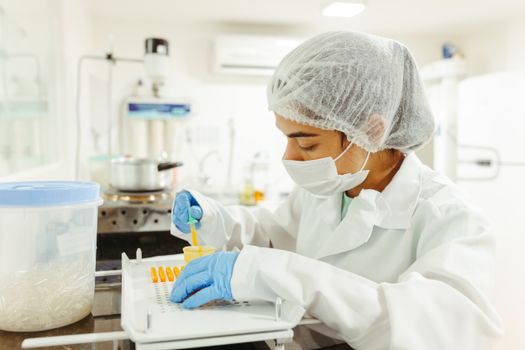
Imagine you are a detective, but instead of solving mysteries, you are making sure all the food we eat is super safe and tastes good! That is a bit like what a Quality Assurance Technician in Food Production does. They work in places where food is made, like factories that make bread, crisps, or even chocolate bars. Their main job is to check everything very carefully to make sure the food is made just right and follows all the rules to keep us healthy. They might check if ingredients are fresh, if machines are clean, and if the food is packaged properly. They use special tools to test samples of food, like checking its temperature or how crunchy a biscuit is. It is a really important job because it helps everyone enjoy safe and delicious food every day. So, a Quality Assurance Technician makes sure that every yummy snack or meal you buy is perfect before it leaves the factory. They are like the guardians of good food, making sure there are no mistakes and that everything meets high standards. They might write reports about their checks and help other workers understand how to make food safely and to the best quality. It is a very responsible role that helps keep all of us healthy and happy with what we eat.

Quality Assurance Technician In Food Production

Flag Media

Please select a reason for flagging this content.

📊 Statistics

Starting Salary

A Quality Assurance Technician in food production might start their career earning around 20,000 to 25,000 pounds a year in the UK. That's a good amount of pocket money for looking after our food

Experienced Salary

With a few years of experience, a Quality Assurance Technician in the UK could earn between 28,000 and 35,000 pounds a year. Some senior roles can even go higher

Job Opportunities

There are many food production companies across the UK, from small bakeries to big factories. This means there are often lots of job openings for people who want to help make sure our food is safe and yummy

🚀 Careers in this path

Flag Media

Please select a reason for flagging this content.

Taste Tester for New Snacks

Imagine trying out all sorts of new biscuits, crisps, and sweets to make sure they taste super yummy before they go into the shops! You'd check if they're crunchy enough or sweet enough.

Flag Media

Please select a reason for flagging this content.

Food Safety Inspector for School Dinners

Your job would be to visit school kitchens and make sure all the food is made properly and kept safe, so everyone can enjoy their delicious lunch without getting poorly. You'd check everything is clean and tidy.

Flag Media

Please select a reason for flagging this content.

Packaging Designer for Cereal Boxes

You'd get to think of exciting new ways to package food, like designing colourful cereal boxes or unique sweet wrappers. You'd make sure the food stays fresh and that the packaging looks fun for children.

Learning About Food

Be a Curious Cook

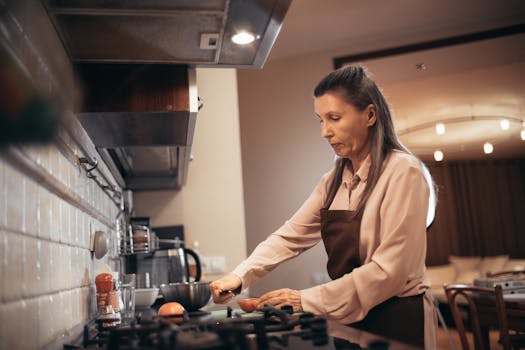
Help out in the kitchen at home! Watch how food is made, like baking a cake or making sandwiches. Ask questions about why certain things are done.

When you're helping in the kitchen, notice how different ingredients look and feel. What happens if you mix things in a different order? Why do cakes go into the oven? Understanding these small changes helps you think like a food detective.

Visit a Farm or Food Market

See where fresh food comes from, like fruits, vegetables, and milk. Learn about how they are grown and prepared.

Visiting a local farm or a big food market can show you the journey of food. You can see how fresh ingredients are picked and stored. This helps you understand how important it is for food to be looked after carefully from the very beginning.

Read Food Labels

Look at the labels on food packets with a grown-up. What ingredients are used? Where was it made? Are there any special instructions?

Food labels are like secret maps for food! They tell us what's inside, how to store it, and when it's best to eat. Learning to read these helps you understand why rules are important in making food safe and tasty.

Becoming a Food Helper

Study Science in School

Pay attention in your science lessons! You'll learn about things like germs, what food is made of, and how it changes, which is super important for food safety.

Science helps you understand why we need to keep food clean and at the right temperature. You'll learn about tiny things called microbes that can make food go bad, and how to stop them. This knowledge is key for keeping people healthy with good food.

Learn About Hygiene

Practise good handwashing and keeping things clean, especially when you're around food. This helps stop germs from spreading.

Good hygiene is like having superpowers against germs! Always wash your hands before touching food and make sure surfaces are clean. This simple step is one of the most important things a food detective does every day.

Get a Food Safety Certificate

When you're older, you can take a special course to get a 'Food Safety' certificate. This teaches you all about keeping food safe.

These courses are like learning the secret rules of food safety! They teach you how to handle food properly, store it safely, and prevent problems. Many places that make food need their workers to have one of these certificates.

Working as a Food Detective

Start as an Apprentice or Assistant

You can start by helping out in a food factory or kitchen, learning from experienced food detectives how they check everything.

Starting as an apprentice or assistant is a great way to learn on the job. You'll work with experienced Quality Assurance Technicians who will show you exactly what to look for, how to use special tools, and what to do if something isn't quite right. It's like being a detective's sidekick!

Check Food Quality

You'll learn to check if food looks right, smells right, and is packaged correctly. You might even use special equipment to test it.

As a Quality Assurance Technician, you'll be responsible for making sure every batch of food meets high standards. This means checking things like the colour of a biscuit, the crispiness of a crisp, or the weight of a loaf of bread. You'll use your senses and sometimes special machines to make sure everything is perfect.

Keep Records and Rules

You'll write down all your checks and make sure everyone follows the rules to keep the food safe and tasty.

Keeping good records is super important! You'll write down what you checked, when you checked it, and what you found. This helps the food company make sure they are always following the rules and can show that their food is safe and delicious.

🎬 Useful Videos

🎯 View Apprenticeships

Explore relevant apprenticeships that can help you kickstart your career in Quality Assurance Technician In Food Production. Apprenticeships offer hands-on experience and training while earning a wage.

Career Progressions

This page showcases various career options and the pathways to reach them. Each career listed here shares transferable skills and knowledge, making it easier for individuals to transition between them.

Your current career is highlighted to help you see how it fits into the broader landscape of potential career choices. By clicking on any career, you can learn more about it, including the training and education required to pursue it.

Remember, progressing in your career often involves further learning and training. This page provides insights into future career options as well as those that can lead up to your current one.

These career progression decisions are informed by comparing the skills and knowledge needed for different occupations, along with data on how people move between them. Explore the possibilities and discover the exciting journey ahead in your career!

Sample Qualifications

A Quality Assurance Technician in Food Production primarily ensures food safety and quality, which aligns closely with the duties of a Food manufacturing inspector responsible for checking compliance and standards within food production facilities.

How to become

You can get into this job through:

  • a college course
  • an apprenticeship
  • working towards this role
  • training with a professional body

College

You could do a college course to get some of the skills and knowledge you need for this job.

Courses include:

  • food and drink operations
  • T Level in Science

Once working, you would complete further training to become an inspector.

Entry requirements

Entry requirements for these courses vary.

  • 4 or 5 GCSEs at grades 9 to 4 (A* to C), or equivalent, including English and maths for a T Level

More Information

Apprenticeship

You can apply to do an apprenticeship, for example:

  • Food Industry Technologist Level 3 Advanced Apprenticeship
  • Hygiene Specialist Level 4 Higher Apprenticeship

You would complete further training in food quality and inspection after finishing your apprenticeship.

Entry requirements

You'll usually need:

  • 5 GCSEs at grades 9 to 4 (A* to C), or equivalent, including English and maths, for an advanced apprenticeship
  • 4 or 5 GCSEs at grades 9 to 4 (A* to C) and A levels, or equivalent, for a higher or degree apprenticeship

More Information

Work

If you want to work as a meat inspector, for example, in a meat processing plant or slaughterhouse, you'll need to complete industry recognised qualifications, such as:

  • Level 2 Certificate for Proficiency in Poultry Meat Inspection
  • Level 4 Diploma for Proficiency in Meat Inspection

You must be working in the meat industry to do the practical assessments needed to complete the courses.

You'll find more details about the qualifications and training providers through the Royal Society for Public Health .

Other Routes

You can complete training and qualifications through the Chartered Institute of Environmental Health.

Qualifications include:

  • Higher Certificate in Food Control
  • Advanced Professional Certificate in Food Hygiene and Standards Control

You will also complete a portfolio of work for assessment as part of the training.

Further information

You can find out more about careers in the food and drinks industry from Tasty Careers.

Interested in More Career Paths?

Explore other careers or use our AI to discover personalised paths based on your interests.

Stay connected

Join our newsletter to stay up to date on features and releases

Address
Developing Experts Limited
Exchange Street Buildings
35-37 Exchange Street
Norwich
NR2 1DP
UK

Phone
01603 273515

Email
[email protected]

Copyright 2026 Developing Experts, All rights reserved.