Imagine you have a superpower that lets you understand everything about places on a map. That is a bit like what a Geospatial Data Analyst does! They use computers to look at special information about where things are in the world. This information, called 'geospatial data', helps them answer big questions. For example, they might look at where all the schools are to help decide where to build a new playground, or they might track how many trees are in a park using satellite pictures. They spend their time exploring digital maps, looking for patterns and telling stories with location information. They use special computer programs to collect, clean, and show data in a way that helps people make smart decisions. This job is super important for planning cities, helping the environment, and even delivering packages to the right addresses. It is like being a detective for places and helping to make the world a better organised place.
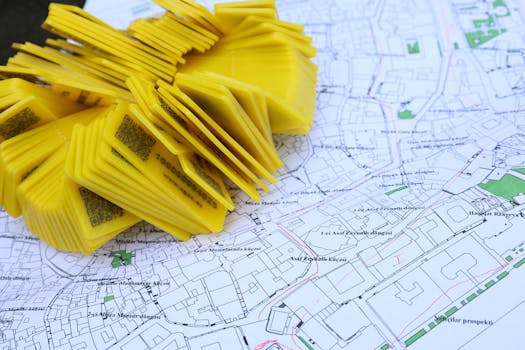
A new Geospatial Data Analyst in the UK might start with a salary of around 25000 to 30000 pounds a year. That is how much they earn to help them live and buy things they need.
With a few years of experience, a Geospatial Data Analyst in the UK could earn between 35000 and 50000 pounds a year. Some very experienced people might earn even more.
There are hundreds of jobs for Geospatial Data Analysts in the UK, and this number is growing. Lots of companies need people who understand maps and location data.
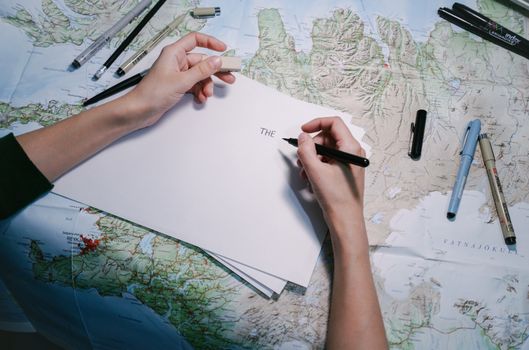
Imagine drawing super detailed maps of your local park, showing where the swings are, where the big slide is, and even where the best spot for a picnic is! You'd help people find their way around and discover all the fun places.
You could help create special maps that show where hidden treasures are, or where amazing creatures like dinosaurs might have roamed millions of years ago. You'd use clues to mark X marks the spot!

Think about making maps that show where different animals live in a forest, like where the squirrels hide their nuts or where the birds build their nests. You'd help make sure they have safe places to live and play, just like a town planner for humans!
Start by looking at maps, globes, and atlases. Find different countries, oceans, mountains, and cities. Think about why things are in certain places.
You can use physical maps at home or school, or explore digital maps online like Google Maps. Try to find your house, your school, and then zoom out to see your town, country, and the whole world. Notice how different features like rivers and roads are shown.
Geography is the study of the Earth and everything on it! Ask your teachers questions about different places, weather, and how people live around the world.
Your geography lessons at school will be super helpful. Pay attention when you learn about continents, countries, climates, and different types of landscapes. Reading books about different places can also make learning fun and exciting.
Geospatial analysts like to solve puzzles. Playing with building blocks, Lego, or jigsaw puzzles helps you understand how different pieces fit together in a space.
Building things with Lego or other construction toys can help you think about shapes, sizes, and how to arrange objects in a space. Jigsaw puzzles also train your brain to see how small parts make up a bigger picture, which is a bit like looking at different layers of information on a map.
Maths helps you understand numbers, shapes, and measurements, which are all important for maps and data.
Learning your times tables, how to add, subtract, multiply, and divide will give you a strong foundation. Maths helps you understand distances, areas, and how to count things accurately on a map. These skills become very important when you use computers to analyse lots of information.
Geospatial analysts use computers a lot! Learn how to use a computer safely and how to find information on the internet.
Practise typing, using a mouse or trackpad, and opening different programs. Ask your parents or teachers to show you how to search for information online safely, and how to use simple drawing or creative programs. The more comfortable you are with computers, the easier it will be to use special mapping software later.
Always wonder 'where' things are! Where does the bus go? Where is the nearest shop? This helps you think like a geospatial analyst.
When you're out and about, look around and try to understand your surroundings. Think about why certain buildings are in certain places, or why roads follow a particular path. Asking 'why here?' and 'what's nearby?' is a great way to start thinking geographically.
In secondary school, choose subjects like Geography, Computer Science, and Maths. These are super important for this job!
These subjects will teach you about how the Earth works, how computers process information, and how to solve problems using numbers. You'll learn about things like satellites, GPS (Global Positioning System), and how to code simple instructions for computers, all of which are used in geospatial analysis.
After secondary school, you can go to university to study a special course called 'Geographic Information Science' (GIS) or 'Geospatial Engineering'.
At university, you'll learn how to use advanced computer software to create and analyse maps. You'll understand how to collect data using drones or satellites, and how to use this information to help people make important decisions. Many universities in the UK offer great courses in this exciting field.
Try to find places where you can see how real geospatial analysts work. This could be helping out during holidays or visiting a company.
Even small opportunities, like visiting a local council office that uses maps, or talking to someone who works with maps, can give you a good idea of what the job is like. Later on, during your university studies, you might be able to do an internship where you work on real projects with experienced analysts.
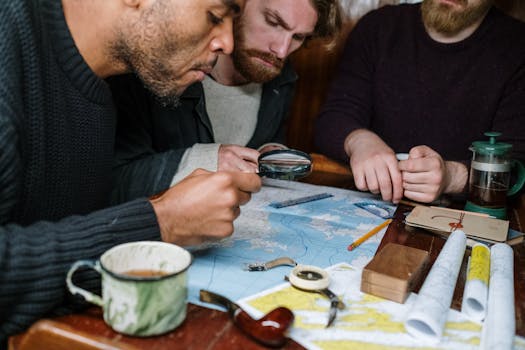
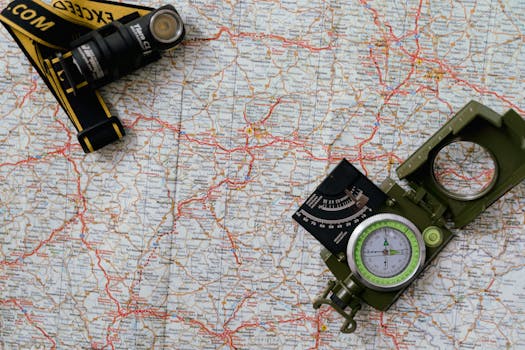
A Cartographer is someone who creates and draws maps. They might use computer tools just like a Geospatial Data Analyst to make different kinds of maps, from road maps to maps of the stars.
An Urban Planner helps design and organise towns and cities. They use maps and location information to decide where new houses, shops, or parks should go, making sure cities are good places to live.
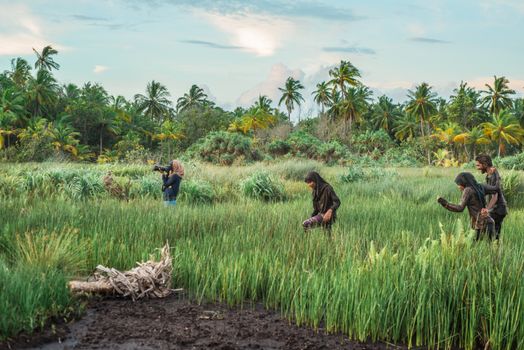
An Environmental Scientist studies the natural world and how humans affect it. They might use geospatial data to track pollution, look at changes in forests, or find the best places for wildlife to live.
Explore relevant apprenticeships that can help you kickstart your career in Geospatial Data Analyst. Apprenticeships offer hands-on experience and training while earning a wage.
This page showcases various career options and the pathways to reach them. Each career listed here shares transferable skills and knowledge, making it easier for individuals to transition between them.
Your current career is highlighted to help you see how it fits into the broader landscape of potential career choices. By clicking on any career, you can learn more about it, including the training and education required to pursue it.
Remember, progressing in your career often involves further learning and training. This page provides insights into future career options as well as those that can lead up to your current one.
These career progression decisions are informed by comparing the skills and knowledge needed for different occupations, along with data on how people move between them. Explore the possibilities and discover the exciting journey ahead in your career!
Explore other careers or use our AI to discover personalised paths based on your interests.
Address
Developing Experts Limited
Exchange Street Buildings
35-37 Exchange Street
Norwich
NR2 1DP
UK
Phone
01603 273515
Email
[email protected]
Copyright 2026 Developing Experts, All rights reserved.

Unlock expert-designed lessons, resources, and assessments tailored for educators. No credit card required.
Claim Your Free Trial →
