
You could do a degree in:
- geography
- surveying and mapping
- geographic information science
- Earth sciences
- computer science
Entry requirements
You'll usually need:
- 3 A levels, or equivalent, including at least 1 science
A Geospatial Data Analyst in the UK plays a crucial role in collecting, processing, and interpreting data that has a geographical component. This involves working with various types of location-based information, such as satellite imagery, GPS coordinates, census data, and aerial photographs, to create maps, models, and visualisations. You would typically use specialist Geographical Information Systems (GIS) software to analyse spatial patterns, identify trends, and solve complex problems across diverse sectors. For example, you might help local councils optimise public transport routes, assist environmental agencies in tracking deforestation, or support retail businesses in identifying optimal store locations based on demographic data. The role often combines technical expertise in data science and software with a strong understanding of geographical principles, requiring a keen eye for detail and problem-solving. Your day-to-day tasks could involve cleaning and validating large datasets, performing spatial analysis to uncover insights, developing custom GIS tools or scripts, and presenting your findings through reports, interactive maps, and dashboards. Collaboration is key, as you would often work with urban planners, environmental scientists, engineers, and other stakeholders to provide data-driven solutions. The career demands continuous learning, as geospatial technologies and methodologies are constantly evolving, requiring analysts to stay updated with the latest software, programming techniques, and data sources.
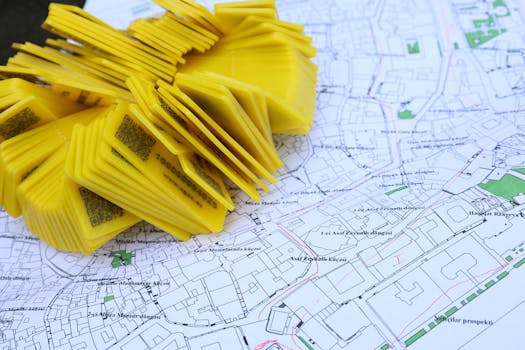
Starting salaries for Geospatial Data Analysts in the UK typically range from 25,000 to 35,000. Experienced professionals with specialist skills can earn upwards of 45,000 to 60,000 or more, especially in senior roles or within consultancy.
The demand for Geospatial Data Analysts in the UK is growing steadily. The geospatial industry is expanding rapidly due to increased reliance on location intelligence across sectors like urban planning, environmental monitoring, logistics, and utilities. There are thousands of professionals in this field across the UK, with new opportunities continually emerging.
Essential skills frequently sought by UK employers include proficiency in GIS software (e.g., ArcGIS, QGIS), programming languages (e.g., Python, R), database management (e.g., SQL), and strong data visualisation and analytical abilities.
A GIS Consultant applies geospatial expertise to help organisations solve business problems. This involves advising on GIS software, data management, spatial analysis techniques, and developing custom mapping solutions for clients across various sectors like urban planning, environmental management, or utilities.
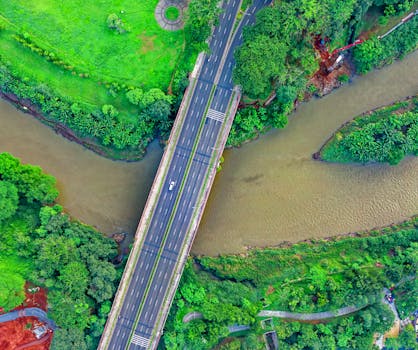
A Remote Sensing Specialist focuses on acquiring, processing, and interpreting data from satellite imagery, aerial photography, and drone technology. They use this data to monitor environmental changes, map land use, assess crop health, or identify geological features, often working in environmental agencies, agriculture, or defence.
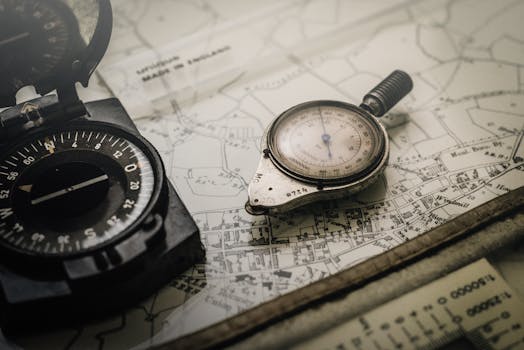
A Location Intelligence Analyst uses geospatial data and tools to provide insights into market trends, customer behaviour, and optimal site selection for businesses. They help companies make strategic decisions by visualising data on maps to understand geographical patterns, often working in retail, marketing, or real estate.
Start by pursuing a degree that provides a strong grounding in data analysis, geography, computer science, or a related field.
A Bachelor's degree in Geography, Geographic Information Science (GIS), Environmental Science, Computer Science, or Data Science is highly beneficial. Look for programmes that include modules on cartography, remote sensing, database management, and statistical analysis. Some universities also offer specialised degrees in Geospatial Science or Geomatics, which would be ideal. Consider a Master's degree if you wish to specialise further or aim for research-oriented roles.
Familiarise yourself with the essential software used for geospatial data analysis.
Proficiency in industry-standard GIS software is crucial. This primarily includes ArcGIS (ArcGIS Pro, ArcMap) and QGIS (an open-source alternative). Dedicate time to learning their functionalities, from data input and editing to spatial analysis and map production. Many universities offer licenses, and QGIS is free to download. Online tutorials, courses, and certifications from ESRI (the creators of ArcGIS) can significantly boost your skills.
Acquire programming skills to automate tasks, manipulate data, and build custom tools.
Python is the most widely used programming language in geospatial analysis due to its extensive libraries (e.g., GeoPandas, GDAL, Fiona, Rasterio, SciPy, NumPy). Learning Python will enable you to script analyses, process large datasets efficiently, and integrate different tools. R is another valuable language for statistical analysis and data visualisation. SQL skills are also important for querying and managing spatial databases.
Apply for internships or work placements to gain hands-on experience in a professional setting.
Internships are invaluable for bridging the gap between academic learning and real-world application. Look for opportunities with local councils, environmental consultancies, utility companies, government agencies (e.g., Ordnance Survey, DEFRA), or technology firms that utilise GIS. These placements will allow you to work on actual projects, understand workflow processes, and network with professionals in the field. Even short-term volunteer roles can offer relevant experience.
Create a collection of your best geospatial projects to showcase your skills to potential employers.
Your portfolio is a visual representation of your abilities. Include a variety of projects that demonstrate your proficiency in different software, data types, and analytical techniques. This could include maps you've created, spatial analyses you've performed (e.g., site suitability, network analysis), web maps you've developed, or code you've written. Use platforms like GitHub or a personal website to host your portfolio, ensuring clear descriptions of your role and the tools used in each project.
Connect with professionals in the geospatial industry and keep abreast of new technologies and trends.
Attend industry conferences, workshops, and local meetups (e.g., AGI, OS OpenData events, GIS user groups). Join online forums and professional LinkedIn groups dedicated to GIS and data science. Networking can lead to mentorship opportunities, job referrals, and insights into emerging technologies like LiDAR, drone mapping, and big data analytics. Staying current with advancements is crucial in this rapidly evolving field.
Begin by applying for entry-level Geospatial Data Analyst, GIS Technician, or Junior GIS Consultant positions.
Focus your job search on roles that match your current skillset and experience. Companies hiring might include environmental consultancies, urban planning departments, logistics firms, utility providers, government bodies, and mapping companies. Tailor your CV and cover letter to highlight your relevant degrees, software proficiency, programming skills, and portfolio projects. Emphasise any practical experience gained during internships.
Continue learning and developing your skills to advance in your career.
The geospatial field is constantly evolving. Look for opportunities to gain certifications in specific software (e.g., ESRI certifications), programming languages, or specialised areas like remote sensing or spatial database management. Consider short courses in machine learning, cloud GIS (e.g., AWS, Azure geospatial services), or web mapping development. Continuous learning will open doors to more senior and specialised roles.
As you gain experience, consider specialising in a particular area or moving into project management.
After a few years, you might find yourself drawn to specific niches such as urban planning, environmental monitoring, defence, telecommunications, or humanitarian aid. Specialising can make you a more valuable asset. Alternatively, you could aim for roles like Senior Geospatial Analyst, GIS Project Manager, or even a lead data scientist, where you'd be responsible for guiding teams and overseeing complex projects from inception to completion.
Focuses more specifically on the technical implementation and management of GIS systems, including database creation, map production, and system administration.
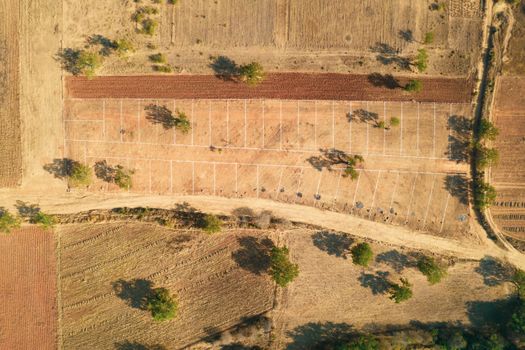
Specialises in analysing data acquired from satellites, aircraft, or drones to monitor changes on the Earths surface, often using advanced image processing techniques.
Works with large and complex datasets to extract insights, predict trends, and build predictive models, often overlapping with geospatial roles when location data is involved.
Explore relevant apprenticeships that can help you kickstart your career in Geospatial Data Analyst. Apprenticeships offer hands-on experience and training while earning a wage.
This page showcases various career options and the pathways to reach them. Each career listed here shares transferable skills and knowledge, making it easier for individuals to transition between them.
Your current career is highlighted to help you see how it fits into the broader landscape of potential career choices. By clicking on any career, you can learn more about it, including the training and education required to pursue it.
Remember, progressing in your career often involves further learning and training. This page provides insights into future career options as well as those that can lead up to your current one.
These career progression decisions are informed by comparing the skills and knowledge needed for different occupations, along with data on how people move between them. Explore the possibilities and discover the exciting journey ahead in your career!
The 'Geospatial Data Analyst' role focuses on analysing and interpreting spatial data, which directly aligns with the responsibilities of a 'Geospatial technician' who works with geographical information systems and related technologies.
You can get into this job through:
You could do a degree in:
You'll usually need:
You can take a college course to learn some of the skills needed for the job. This may help you when applying for a trainee position.
Relevant courses include:
Entry requirements for these courses vary.
4 or 5 GCSEs at grades 9 to 4 (A* to C), or equivalent, including English and maths for a T Level
You can apply for a place on a Geospatial Survey Technician Level 3 Advanced Apprenticeship, or a Geospatial Mapping and Science Specialist Level 6 Degree Apprenticeship.
To get onto an apprenticeship, you'll find it useful to have:
You can apply to join a graduate training scheme with a geospatial data company, if you have a related degree.
You can also work towards this role through the armed forces. The Royal Air Force and the British army offer training to become an air cartographer and geographic technician.
Geospatial technicians use specialist GIS software. You could build up your skills and knowledge of this through free online learning resources.
You could join the Association for Geographic Information for professional development and training opportunities.
You can find out more about careers and training in geographical information systems from:
Explore other careers or use our AI to discover personalised paths based on your interests.
Address
Developing Experts Limited
Exchange Street Buildings
35-37 Exchange Street
Norwich
NR2 1DP
UK
Phone
01603 273515
Email
[email protected]
Copyright 2026 Developing Experts, All rights reserved.

Unlock expert-designed lessons, resources, and assessments tailored for educators. No credit card required.
Claim Your Free Trial →