
You could do a degree in:
- geography
- surveying and mapping
- geographic information science
- Earth sciences
- computer science
Entry requirements
You'll usually need:
- 3 A levels, or equivalent, including at least 1 science
Imagine all the information that is linked to a specific place on Earth - like where a shop is, the route a bus takes, or how high a mountain is. A Geospatial Data Analyst is like a detective for this kind of information, which we call 'geospatial data'. They use special computer programs and mapping tools to collect, analyse, and interpret data that has a geographic element. This could mean helping a delivery company find the most efficient routes, understanding where the best place to build a new park might be, or even tracking environmental changes over time. Your job would involve looking at maps and satellite images, but also lots of numbers and information connected to those locations. You'd use your skills to spot patterns, solve problems, and create clear visualisations, like interactive maps, to help people make important decisions. It's a really interesting role for someone who likes geography, computers, and solving puzzles, as you're helping to understand our world better and improve how we live in it.
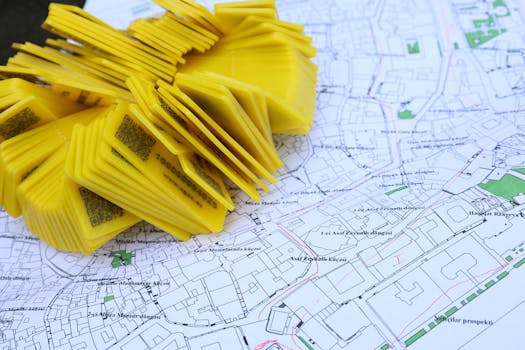
For someone just starting out as a Geospatial Data Analyst in the UK, you might expect to earn around 25,000 to 30,000 pounds per year. This can grow a lot with experience.
With a few years of experience, a Geospatial Data Analyst in the UK can typically earn between 35,000 and 55,000 pounds annually. Senior roles can go even higher.
The field of geospatial technology is growing rapidly in the UK and worldwide. This means there are more and more opportunities becoming available in this exciting area.
This is a hands-on role where you'd use computer software to create and update maps. You might help people at the local council plan new parks or help utility companies map out their pipes and cables. It's like being a digital mapmaker!
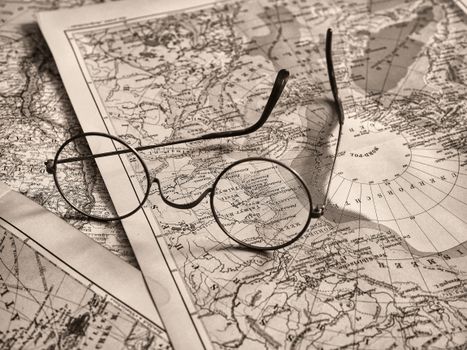
If you love maps and design, this could be for you. A cartographer designs and creates all sorts of maps, from simple road maps to detailed maps showing land features or populations. You'd make sure maps are clear, accurate, and easy to understand.
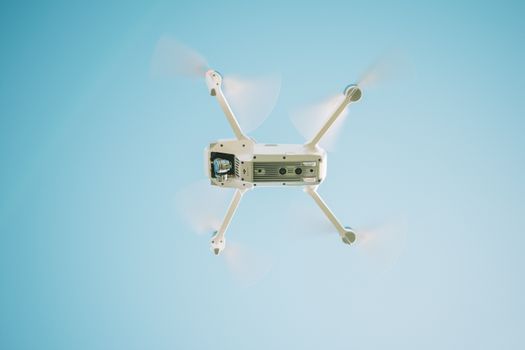
Imagine flying a drone to collect pictures and information about an area of land. This data can then be used to create detailed 3D models and maps. You could help monitor building sites, inspect large structures, or even help farmers understand their fields better.
Focus on Maths, Geography, and Computer Science at school. These subjects will give you a fantastic head start for understanding geospatial data.
Maths helps you understand data patterns and statistics. Geography teaches you about the Earth's features and mapping concepts. Computer Science introduces you to programming and how computers handle information, which is crucial for geospatial software.
Get curious about maps, atlases, and how satellite navigation works. Try out free online mapping tools and explore their features.
Websites like Google Maps, OpenStreetMap, or even Ordnance Survey maps can show you how geographic information is presented. Look for different layers of information, like terrain, roads, or public transport. Understanding how these tools work is a great first step into the world of geospatial analysis.
Look for clubs that involve technology, coding, or even environmental science. These can help develop relevant skills and interests.
A coding club can introduce you to basic programming languages like Python, which are widely used in geospatial analysis. An environmental club might involve fieldwork or data collection, giving you a taste of real-world data handling. Any club that involves problem-solving or using technology will be beneficial.
Select subjects like Geography, Maths, Computer Science, Physics, or Environmental Science if you plan to go to university.
These subjects will provide the necessary academic background for university courses in geography, environmental science, computer science, or dedicated geospatial programmes. Good grades in these subjects are often required for entry into relevant degree courses.
Look for university courses in subjects like Geography, Geographic Information Systems (GIS), Geomatics, Environmental Science, or Computer Science with a focus on data.
Many universities offer specific degrees in GIS or 'Geospatial Science', which are perfect for this career. If a dedicated course isn't available, a Geography degree with modules in GIS, or a Computer Science degree with data analysis components, can also be an excellent pathway. Research different university prospectuses carefully.
Research degree apprenticeships or higher apprenticeships in data analysis, mapping, or surveying that might include geospatial components.
Apprenticeships offer a fantastic way to learn on the job while gaining qualifications. Some engineering, surveying, or environmental companies might offer programmes that involve working with geospatial data. Check government apprenticeship websites and company careers pages.
Become familiar with key geospatial software like QGIS (free) and ArcGIS (industry standard) during your studies or in your free time.
Most geospatial data analysts use specialised software to create maps, analyse data, and manage spatial information. QGIS is open-source and free to download, making it excellent for practice. ArcGIS is widely used in many companies, so familiarity with it will make you very attractive to employers. Look for online tutorials and practice projects.
Seek out internships or work placements with companies that use geospatial data, such as local councils, environmental agencies, or utility companies.
Real-world experience is invaluable. It allows you to apply what you've learned, understand how a workplace operates, and build your professional network. Many university courses incorporate placement years, or you can actively seek short-term internships during holidays.
Create your own maps or data analysis projects using publicly available geospatial data to showcase your skills to potential employers.
A portfolio demonstrates your practical abilities. You could map local crime rates, analyse public transport routes, or visualise environmental data. Use tools like QGIS and present your findings clearly. This shows initiative and practical understanding, which employers highly value.
A Cartographer is someone who designs and creates maps. They use geographic data to draw maps that are accurate and easy to understand, whether for navigation, education, or other purposes.
GIS stands for Geographic Information Systems. A GIS Specialist uses computer systems to capture, store, analyse, and manage all types of geographical data. They often work very closely with Geospatial Data Analysts.

An Urban Planner helps decide how cities and towns should grow and develop. They use geospatial data to understand population trends, traffic flow, and where new buildings or services might be needed, to create better communities.
Explore relevant apprenticeships that can help you kickstart your career in Geospatial Data Analyst. Apprenticeships offer hands-on experience and training while earning a wage.
This page showcases various career options and the pathways to reach them. Each career listed here shares transferable skills and knowledge, making it easier for individuals to transition between them.
Your current career is highlighted to help you see how it fits into the broader landscape of potential career choices. By clicking on any career, you can learn more about it, including the training and education required to pursue it.
Remember, progressing in your career often involves further learning and training. This page provides insights into future career options as well as those that can lead up to your current one.
These career progression decisions are informed by comparing the skills and knowledge needed for different occupations, along with data on how people move between them. Explore the possibilities and discover the exciting journey ahead in your career!
A Geospatial Data Analyst specialises in analysing geographic data, which aligns most closely with the role of a Geospatial technician who works with and processes geospatial information.
You can get into this job through:
You could do a degree in:
You'll usually need:
You can take a college course to learn some of the skills needed for the job. This may help you when applying for a trainee position.
Relevant courses include:
Entry requirements for these courses vary.
4 or 5 GCSEs at grades 9 to 4 (A* to C), or equivalent, including English and maths for a T Level
You can apply for a place on a Geospatial Survey Technician Level 3 Advanced Apprenticeship, or a Geospatial Mapping and Science Specialist Level 6 Degree Apprenticeship.
To get onto an apprenticeship, you'll find it useful to have:
You can apply to join a graduate training scheme with a geospatial data company, if you have a related degree.
You can also work towards this role through the armed forces. The Royal Air Force and the British army offer training to become an air cartographer and geographic technician.
Geospatial technicians use specialist GIS software. You could build up your skills and knowledge of this through free online learning resources.
You could join the Association for Geographic Information for professional development and training opportunities.
You can find out more about careers and training in geographical information systems from:
Explore other careers or use our AI to discover personalised paths based on your interests.
Address
Developing Experts Limited
Exchange Street Buildings
35-37 Exchange Street
Norwich
NR2 1DP
UK
Phone
01603 273515
Email
[email protected]
Copyright 2026 Developing Experts, All rights reserved.

Unlock expert-designed lessons, resources, and assessments tailored for educators. No credit card required.
Claim Your Free Trial →