Creating Career Path...

Finding Further Careers...

Heritage Stonemason

View this career for different education levels:

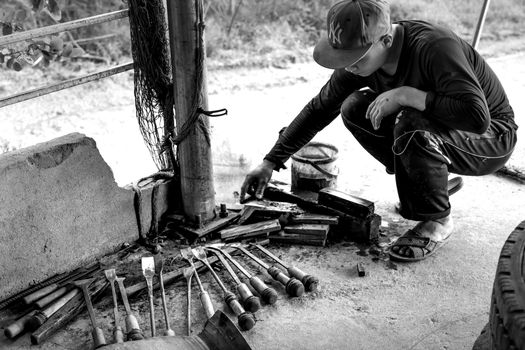
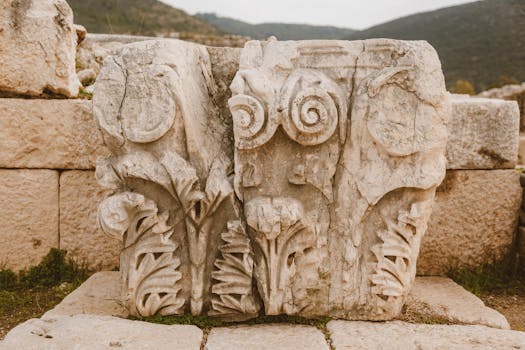
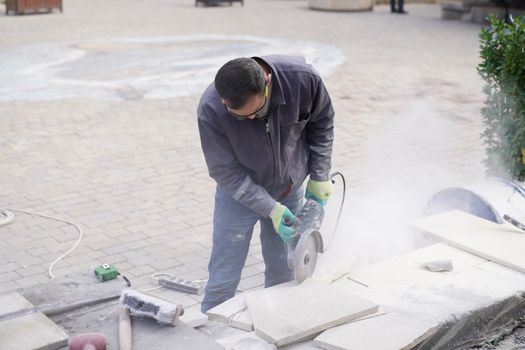
A Heritage Stonemason is a highly skilled craftsperson specialising in the traditional techniques of working with natural stone for the conservation, repair, and restoration of historic buildings, monuments, and structures across the United Kingdom. This role is far more than just laying bricks; it involves a deep understanding of geology, architectural history, and traditional mortar mixes, as well as exceptional manual dexterity. Heritage Stonemasons are responsible for everything from selecting the appropriate stone to match existing material, carving intricate details like gargoyles or tracery, to carefully dismantling and rebuilding historic walls using lime mortars. They play a crucial role in preserving the UK's built heritage, ensuring that structures like cathedrals, castles, and historic houses stand for future generations, often working outdoors in various weather conditions on demanding and intricate projects. The work requires meticulous attention to detail, patience, and a strong problem-solving ability, as each heritage project presents unique challenges. Training typically involves apprenticeships or college courses in stonemasonry, often with a specialisation in conservation or heritage. Many will also acquire CSCS cards for site safety. It is a physically demanding role, involving lifting, cutting, and shaping heavy stones, often using both modern tools and traditional hand tools like chisels, mallets, and saws. Communication skills are also important, as stonemasons often work as part of a wider team of conservation professionals, architects, and other tradespeople, collaborating to deliver complex restoration projects.

Heritage Stonemason

Flag Media

Please select a reason for flagging this content.

📊 Statistics

Average Salary Range

A Heritage Stonemason in the UK can expect an average starting salary of around 20,000 to 25,000 GBP per year, with experienced professionals earning 30,000 to 40,000 GBP or more. Highly specialised or self-employed masons working on high-value projects may earn significantly higher.

Number of Positions / Demand

While exact figures for 'Heritage Stonemasons' specifically can be elusive as they often fall under broader construction and craft categories, the demand for skilled heritage craftspeople, including stonemasons, is consistent and often outstrips supply, especially for those with expertise in traditional techniques. Organisations like Historic England frequently highlight the skills gap in heritage crafts.

Typical Working Hours

Most Heritage Stonemasons work standard full-time hours, typically around 37-40 hours per week, Monday to Friday. However, project demands, site locations, and deadlines may sometimes require flexibility, including occasional weekend work or longer days, particularly on restoration projects with tight schedules.

🚀 Careers in this path

Flag Media

Please select a reason for flagging this content.

Conservation Stonemason

Specialises in repairing and restoring historic buildings and monuments using traditional methods and materials. This involves a deep understanding of heritage practices and the ability to match existing stonework.

Flag Media

Please select a reason for flagging this content.

Architectural Stonemason

Focuses on crafting and installing intricate stone features for new prestigious buildings, such as ornate facades, columns, and bespoke decorative elements. This requires precision and artistic flair.

Flag Media

Please select a reason for flagging this content.

Restoration Masonry Specialist

Undertakes comprehensive restoration projects, often working as part of a larger team. This role encompasses not just stonework but also an understanding of associated trades like lime pointing and structural repairs in historic contexts.

Build Foundational Skills

Gain Relevant Qualifications

Start by acquiring essential qualifications in stone masonry to build a strong theoretical and practical base. This is often the first formal step into the trade.

Consider pursuing a Level 2 or 3 NVQ in Trowel Occupations (Stonemasonry) or a relevant college course such as a Diploma in Stonemasonry. These programmes cover basic stone cutting, carving, setting, and repair techniques, as well as health and safety in construction. Look for courses offered at colleges with good workshops and industry links, as practical experience is crucial.

Develop Practical Hand Skills

Stonemasonry is a hands-on trade; developing proficiency with tools and materials is paramount. Practice makes perfect in this craft.

Beyond formal education, spend time honing your skills. This could involve volunteering on small projects, attending workshops, or even starting personal projects. Focus on mastering the use of chisels, mallets, saws, and grinders, and understanding different types of stone, their properties, and how they behave when worked. Precision and attention to detail are key.

Understand Health and Safety

Working with heavy materials and power tools requires a strong understanding of health and safety protocols to protect yourself and others.

Complete a CSCS (Construction Skills Certification Scheme) card application and pass the relevant health, safety and environment test. This is often a mandatory requirement for working on construction sites in the UK. Furthermore, familiarise yourself with risk assessments, manual handling techniques, and the correct use of Personal Protective Equipment (PPE) specific to stonemasonry.

Specialise in Heritage

Undertake Specialist Training

To transition into heritage work, you'll need specific training that focuses on historic building conservation and traditional techniques.

Look for advanced courses, apprenticeships, or short courses specifically in heritage masonry, historic building conservation, or traditional craft skills. Organisations like the National Trust, English Heritage, and specialist craft colleges often offer such programmes. These will introduce you to lime mortars, traditional stone repair methods, surveying historic structures, and understanding architectural styles.

Seek Apprenticeships or Work Experience

Gaining practical experience under the guidance of experienced heritage stonemasons is invaluable for learning the nuances of the trade.

Actively seek out apprenticeships with heritage conservation companies, specialist contractors, or even cathedrals and large estates that employ their own masons. A structured apprenticeship provides hands-on experience, mentorship, and often leads to further qualifications. Even if an apprenticeship isn't immediately available, look for paid or unpaid work experience opportunities to observe and assist skilled craftsmen.

Network with Industry Professionals

Building connections within the heritage and conservation sector can open doors to opportunities and mentorship.

Attend industry events, trade shows, and workshops related to heritage conservation and traditional crafts. Join professional organisations such as the Stone Federation Great Britain, the Building Limes Forum, or the Society for the Protection of Ancient Buildings (SPAB). These networks can provide insights into job openings, valuable advice, and potential mentors who can guide your career path.

Career Advancement

Continue Professional Development

The heritage sector is always evolving, and continuous learning is key to staying current and enhancing your expertise.

Participate in regular workshops, seminars, and masterclasses on new conservation techniques, material science, or specific heritage crafts like ecclesiastical carving or lettering. Staying updated on best practices and emerging technologies within the conservation field will make you a more versatile and sought-after professional. Consider further qualifications like a Higher National Diploma (HND) or a degree in Building Conservation.

Build a Portfolio and Reputation

Showcasing your work and building a strong reputation for quality and reliability is crucial for career progression.

Document all your projects with high-quality photographs and descriptions, paying particular attention to heritage restoration work. Seek references from satisfied clients or employers. Word-of-mouth and a strong portfolio are incredibly important in the heritage sector. Consider entering craft competitions or contributing to industry publications to raise your profile.

Consider Specialised Roles or Self-Employment

With significant experience, you can pursue leadership roles, highly specialised niches, or establish your own heritage masonry business.

Experienced heritage stonemasons can progress to roles such as Site Foreman, Project Manager, or even Masons responsible for specific iconic buildings (e.g., cathedral mason). Alternatively, you might specialise further in areas like monumental masonry, decorative carving, or ecclesiastical work. Many heritage stonemasons also choose to become self-employed, taking on bespoke conservation and restoration projects, which requires business acumen alongside craft skills.

🎬 Useful Videos

🎯 View Apprenticeships

Explore relevant apprenticeships that can help you kickstart your career in Heritage Stonemason. Apprenticeships offer hands-on experience and training while earning a wage.

Career Progressions

This page showcases various career options and the pathways to reach them. Each career listed here shares transferable skills and knowledge, making it easier for individuals to transition between them.

Your current career is highlighted to help you see how it fits into the broader landscape of potential career choices. By clicking on any career, you can learn more about it, including the training and education required to pursue it.

Remember, progressing in your career often involves further learning and training. This page provides insights into future career options as well as those that can lead up to your current one.

These career progression decisions are informed by comparing the skills and knowledge needed for different occupations, along with data on how people move between them. Explore the possibilities and discover the exciting journey ahead in your career!

Sample Qualifications

A Heritage Stonemason specialises in working with stone in a traditional or historic context, which directly aligns with the core skills and duties of a general Stonemason. While 'heritage' adds a specialism, the fundamental craft remains stonemasonry.

How to become

You can get into this job through:

  • a college course
  • an apprenticeship
  • working towards this role

College

You could take a college course, which would teach you some of the skills needed to get a trainee job with a building company. 

Courses include:

  • construction skills
  • craft masonry
  • stonemasonry

Entry requirements

Entry requirements for these courses vary.

More Information

Apprenticeship

You could apply to do a Stonemason Level 2 Intermediate Apprenticeship.

This apprenticeship has pathways for different types of stonemasonry work, for example:

  • interior stone fixing, often used for floors, wet rooms and kitchens
  • memorial stonemasonry
  • exterior stone fixing on buildings and structures
  • heritage stonemasonry for conserving historic monuments

This apprenticeship takes about 24 months to complete and is a mix of workplace learning and off-site study.

Entry requirements

You'll usually need:

  • some GCSEs, usually including English and maths, or equivalent, for an intermediate apprenticeship

More Information

Work

You could start as a construction labourer or bricklayer and take further training with your employer to get a qualification in stonemasonry.

More Information

Registration

Career tips

You may be able to find short training courses in heritage skills by contacting organisations like The Historic England Foundation.

Further information

You'll find more information about careers in stonemasonry from Go Construct and the Stone Federation.

You can also get details about stonemasonry carving skills from the Crafts Council.

Interested in More Career Paths?

Explore other careers or use our AI to discover personalised paths based on your interests.

Stay connected

Join our newsletter to stay up to date on features and releases

Address
Developing Experts Limited
Exchange Street Buildings
35-37 Exchange Street
Norwich
NR2 1DP
UK

Phone
01603 273515

Email
[email protected]

Copyright 2026 Developing Experts, All rights reserved.