Creating Career Path...

Finding Further Careers...

Heritage Stonemason

View this career for different education levels:

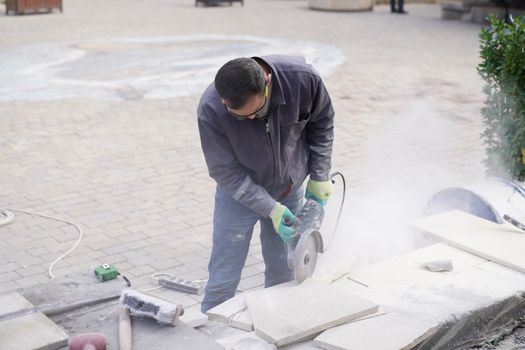
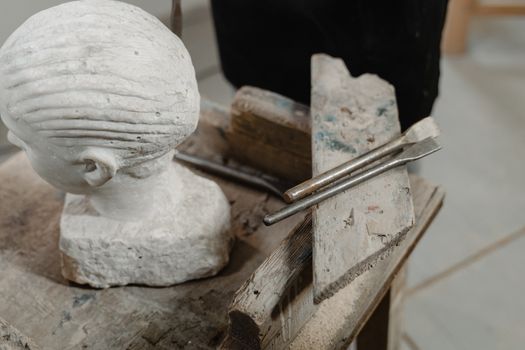
Imagine working with stone, just like people did hundreds of years ago, to fix up ancient castles, grand cathedrals, or historic houses! That's what a Heritage Stonemason does. They are true craftspeople who work with natural stone to build, repair, and restore important historic buildings and monuments across the UK. It's a job that needs a lot of skill, patience, and a good eye for detail. You'd learn how to cut, carve, shape, and set stones, using both traditional hand tools and modern equipment. You'd need to understand different types of stone, like limestone or sandstone, and how they behave. Being a Heritage Stonemason isn't just about building; it's also about preserving history. You might spend your days carefully replacing damaged stones on an old church wall, creating decorative carvings for a historic landmark, or even building new structures that fit in with ancient styles. It's a very rewarding career if you love history, working with your hands, and seeing the results of your hard work last for generations. You could work for specialist conservation companies, construction firms, or even be self-employed.

Heritage Stonemason

Flag Media

Please select a reason for flagging this content.

📊 Statistics

Average Salary

Starting salaries for an apprentice heritage stonemason in the UK might be around 14,000 to 18,000 pounds per year. Experienced stonemasons can earn between 25,000 and 40,000 pounds annually, and highly skilled specialists or those running their own business can earn more.

Job Growth

While not a massive industry, there is a consistent demand for skilled heritage stonemasons across the UK, especially for maintaining and restoring the many historic buildings, cathedrals, and monuments. It's a specialist skill that's always needed.

Apprenticeships

Apprenticeships are a common way to get into this career, combining learning on the job with study. These usually last 2 to 4 years and are available across different regions of the UK, helping to keep this ancient craft alive.

🚀 Careers in this path

Flag Media

Please select a reason for flagging this content.

Apprentice Stonemason for Historic Buildings

Imagine working on really old castles and cathedrals! You'd learn how to carefully fix and replace stones, making sure these amazing buildings last for hundreds more years. It's like being a detective for old stone.

Flag Media

Please select a reason for flagging this content.

Stone Carver for Memorials and Art

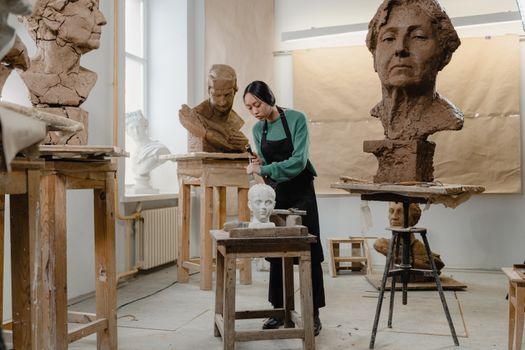
This is where you use your creative side. You'd learn to carve beautiful designs, letters, or even sculptures into stone for things like garden features, special memorials, or public art pieces. You get to bring stone to life.

Flag Media

Please select a reason for flagging this content.

Dry Stone Waller

This is a bit like a super skilled puzzle solver. You learn to build walls using only stones, without any cement! These walls are really strong and you often see them in the countryside, helping farmers and marking land.

Discovering the Craft

Learn About Stone

Start by finding out about different types of stone and how they've been used in buildings over hundreds of years.

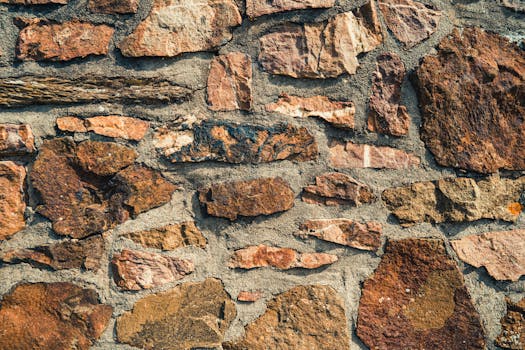
Think about local churches, castles, or even old houses in your area. What kind of stone are they made from? Is it rough or smooth? Does it have a particular colour? Researching these details will help you understand the basics of building materials and how stone has been a core part of architecture for centuries. Look for books or websites about UK historical buildings.

Visit Historic Sites

Go and see historic buildings and stonework up close to understand the scale and detail involved.

Many historic sites across the UK, such as cathedrals, abbeys, and stately homes, have incredible examples of stonework. When you visit, pay close attention to the details – how the stones fit together, any carvings, or signs of wear. Often, these sites have information boards or guides who can tell you more about how they were built and maintained. Imagine being part of keeping these places beautiful.

Try Hand Skills

Practice using your hands for detailed work, like drawing, sculpting with clay, or even building with Lego.

Heritage stonemasonry requires a lot of precision and patience. Developing good hand-eye coordination and a feel for materials is really helpful. Activities like model making, drawing detailed pictures, or even careful gardening can help you build these skills. Think about how you can create something carefully and accurately.

Building Foundational Skills

Study Relevant Subjects

Choose school subjects that help with practical skills and understanding materials.

In secondary school, subjects like Design & Technology (especially Resistant Materials), Art and History can be really useful. DT will help you understand tools and materials, Art can develop your eye for detail and design, and History will give you context for the heritage buildings you'd be working on. Maths is also important for measurements and calculations in construction.

Seek Work Experience

Look for opportunities to get a taste of stonework, even if it's just helping out for a day or two.

While it might be tricky to get direct stonemasonry experience at 13, you could look for broader construction-related work experience, or even ask local builders if you could shadow them. Conservation charities or heritage sites sometimes offer volunteering opportunities that might involve maintenance, which could give you an insight into working with old buildings. It's about seeing how tradespeople work.

Attend Workshops or Clubs

Join clubs or workshops that involve crafts, design, or working with different materials.

Many community centres or art schools offer workshops in pottery, carving (wood or soft stone), or model making. These activities can help you develop the precision, patience, and spatial awareness needed for stonemasonry. Learning how to safely use tools and follow instructions is also a vital part of this type of work.

Formal Training & Specialisation

Consider an Apprenticeship

An apprenticeship is a great way to learn on the job and get qualifications at the same time.

After your GCSEs, look into Level 2 and Level 3 Apprenticeships in Stonemasonry or Heritage Skills. These programmes combine practical work with a qualified stonemason with college-based learning. You'll earn a wage, gain real-world experience, and work towards a recognised qualification, which is essential for becoming a skilled tradesperson in the UK. This is often the most direct route into the profession.

Explore College Courses

Alternatively, you could go to college to study stonemasonry or construction.

Some colleges offer full-time courses like a BTEC Level 2 or 3 in Construction, or specific qualifications in Stonemasonry. These courses will teach you the theory, techniques, and safety aspects of working with stone. They can be a good stepping stone to an apprenticeship or direct employment, giving you a solid foundation of knowledge before you start working on site.

Specialise in Heritage Skills

Once you have your basic training, you can focus on the unique challenges of heritage work.

After your initial training, you might look for further courses or apprenticeships specifically in heritage crafts or conservation. This often involves learning about traditional tools, mortar mixes, carving styles from different periods, and understanding historic building regulations. It's about becoming an expert in preserving the past, not just building new structures. Organisations like the National Trust or English Heritage often work with heritage specialists.

🎬 Useful Videos

🎯 View Apprenticeships

Explore relevant apprenticeships that can help you kickstart your career in Heritage Stonemason. Apprenticeships offer hands-on experience and training while earning a wage.

Career Progressions

This page showcases various career options and the pathways to reach them. Each career listed here shares transferable skills and knowledge, making it easier for individuals to transition between them.

Your current career is highlighted to help you see how it fits into the broader landscape of potential career choices. By clicking on any career, you can learn more about it, including the training and education required to pursue it.

Remember, progressing in your career often involves further learning and training. This page provides insights into future career options as well as those that can lead up to your current one.

These career progression decisions are informed by comparing the skills and knowledge needed for different occupations, along with data on how people move between them. Explore the possibilities and discover the exciting journey ahead in your career!

Sample Qualifications

A Heritage Stonemason specialises in the traditional techniques and materials used for the repair and construction of historic buildings and monuments, which falls directly under the broader umbrella and core duties of a Stonemason.

How to become

You can get into this job through:

  • a college course
  • an apprenticeship
  • working towards this role

College

You could take a college course, which would teach you some of the skills needed to get a trainee job with a building company. 

Courses include:

  • construction skills
  • craft masonry
  • stonemasonry

Entry requirements

Entry requirements for these courses vary.

More Information

Apprenticeship

You could apply to do a Stonemason Level 2 Intermediate Apprenticeship.

This apprenticeship has pathways for different types of stonemasonry work, for example:

  • interior stone fixing, often used for floors, wet rooms and kitchens
  • memorial stonemasonry
  • exterior stone fixing on buildings and structures
  • heritage stonemasonry for conserving historic monuments

This apprenticeship takes about 24 months to complete and is a mix of workplace learning and off-site study.

Entry requirements

You'll usually need:

  • some GCSEs, usually including English and maths, or equivalent, for an intermediate apprenticeship

More Information

Work

You could start as a construction labourer or bricklayer and take further training with your employer to get a qualification in stonemasonry.

More Information

Registration

Career tips

You may be able to find short training courses in heritage skills by contacting organisations like The Historic England Foundation.

Further information

You'll find more information about careers in stonemasonry from Go Construct and the Stone Federation.

You can also get details about stonemasonry carving skills from the Crafts Council.

Interested in More Career Paths?

Explore other careers or use our AI to discover personalised paths based on your interests.

Stay connected

Join our newsletter to stay up to date on features and releases

Address
Developing Experts Limited
Exchange Street Buildings
35-37 Exchange Street
Norwich
NR2 1DP
UK

Phone
01603 273515

Email
[email protected]

Copyright 2026 Developing Experts, All rights reserved.