




Creating Career Path...

Finding Further Careers...

Energy Policy Analyst

View this career for different education levels:

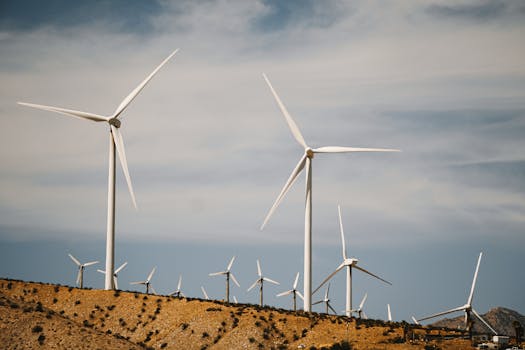
An Energy Policy Analyst is like a detective and a planner all rolled into one, but for how we get and use energy in the UK. Their main job is to research and understand different energy sources, like wind power, solar panels, and natural gas, and how they affect our country and the planet. They look at current laws and rules about energy to see if they are working well and suggest new ideas to make them better. This could involve figuring out how to encourage more people to use electric cars, how to make our homes more energy efficient, or how to develop new types of clean energy. They write reports, give presentations, and work with government officials, energy companies, and environmental groups to help make important decisions about the UK's energy future. This role is really important for tackling big challenges like climate change and ensuring we have enough energy to power our homes and businesses without harming the environment. You would spend a lot of time researching data, reading reports, and thinking critically about complex problems. It involves a lot of teamwork and communicating your ideas clearly, sometimes even simplifying really complicated information so that everyone can understand it. If you are interested in science, environmental issues, and how big decisions are made in the government, then this could be a really interesting career path for you.

Energy Policy Analyst

Flag Media

Please select a reason for flagging this content.

📊 Statistics

Average Starting Salary

For someone just starting out as an Energy Policy Analyst in the UK, you could expect to earn around 25,000 to 30,000 pounds per year. This will grow as you gain more experience.

Experienced Salary Range

With several years of experience, a skilled Energy Policy Analyst in the UK could earn between 40,000 and 60,000 pounds annually, and even more for very senior roles.

Job Market Growth

The demand for Energy Policy Analysts in the UK is expected to grow steadily. With the UK's goal to reach net-zero emissions, there is a big need for experts to help shape our energy future.

🚀 Careers in this path

Flag Media

Please select a reason for flagging this content.

Renewable Energy Project Coordinator

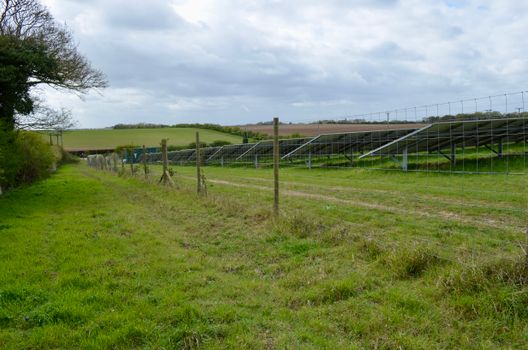
Imagine helping to build wind farms or solar power stations. You would help organise everything needed for these projects, making sure we have clean energy for the future.

Flag Media

Please select a reason for flagging this content.

Environmental Consultant for Businesses

You could advise companies on how to be more environmentally friendly and use less energy. This might involve suggesting new technologies or different ways of working.

Flag Media

Please select a reason for flagging this content.

Sustainable Transport Planner

Think about how people travel. You could help design better public transport systems, cycling routes, or electric vehicle charging networks to reduce pollution and save energy in cities.

Build Your Foundations

Excel in School Subjects

Focus on subjects like Maths, Science (especially Physics or Chemistry), Geography, and English. These will give you strong analytical and communication skills.

Achieving good grades in these subjects will be really helpful. Maths and Science teach you how to think logically and solve problems, which is key for analysing data. Geography helps you understand global issues and environmental impact, while English is crucial for clear writing and presenting your ideas, as an Energy Policy Analyst writes a lot of reports and proposals.

Explore Environmental and Energy Topics

Read books, watch documentaries, and follow news about climate change, renewable energy, and how different countries manage their energy.

Showing an early interest in these areas demonstrates passion, which can be very beneficial later on. Try to understand what energy sources we use, why some are better for the environment, and how our daily lives depend on energy. Websites like the BBC News science and environment sections, or organisations like the Energy Saving Trust, can be great starting points.

Join School Clubs

Participate in clubs like a debating society, an eco-club, or a science club to develop key skills.

Debating clubs improve your ability to argue a point clearly and think critically, which is essential for policy work. Eco-clubs or science clubs can deepen your understanding of environmental issues and scientific processes related to energy. Any club that involves research, teamwork, or public speaking will be excellent for building relevant skills.

Further Your Education

Choose Relevant A-Levels or Equivalent

Select subjects like Maths, Physics, Chemistry, Geography, Economics, or Politics. These subjects are highly valued for university courses in this field.

A strong combination might include Maths and a science, or Economics and Politics alongside Geography. These subjects will provide the academic foundation needed for degrees in environmental science, economics, engineering, or public policy, all of which can lead to a career as an Energy Policy Analyst. Always check university entry requirements for specific courses you might be interested in.

Pursue a University Degree

Study a degree in a relevant field such as Environmental Science, Economics, Politics, Engineering (with an energy focus), or Sustainable Development.

Many universities in the UK offer fantastic undergraduate and postgraduate degrees that are perfect for this career path. Look for courses that include modules on energy systems, climate policy, environmental law, data analysis, or economic modelling. Some specific degree titles could be 'Energy and Environmental Technology', 'Environmental Policy', 'Economics with Energy Studies', or 'Sustainable Energy Engineering'. A postgraduate degree (Masters or PhD) is often very beneficial for roles in policy analysis.

Gain Work Experience or Internships

Look for opportunities to intern or volunteer with organisations involved in energy, environmental, or policy work during your university holidays.

This is incredibly important for getting a foot in the door and understanding the real-world application of your studies. You could look for internships with government departments (like DESNZ – Department for Energy Security and Net Zero), energy companies, environmental charities, think tanks, or consultancies. Even a short period of experience can give you valuable insights, networking opportunities, and a strong addition to your CV.

Start Your Career

Apply for Entry-Level Roles

Look for jobs such as 'Junior Policy Analyst', 'Research Assistant', 'Analyst', or 'Graduate Scheme' within energy, environmental, or government sectors.

Many organisations, including government departments, energy companies, and consultancies, offer graduate programmes or entry-level positions designed for university leavers. These roles often provide structured training and mentorship. Be prepared to highlight your academic achievements, relevant skills (like data analysis or research), and any work experience you've gained.

Develop Key Skills

Continuously improve your analytical skills, data interpretation, report writing, presentation skills, and knowledge of energy markets and policy.

As an Energy Policy Analyst, you'll be constantly learning. This means keeping up-to-date with the latest energy technologies, policies, and regulations both in the UK and internationally. Being able to explain complex information clearly, both in writing and verbally, is crucial. Taking additional courses in data analysis software (like Excel, R, or Python) or project management can also be a big advantage.

Network and Stay Informed

Attend industry events, join professional bodies, and connect with people working in the energy and policy sectors.

Networking is really important in the policy world. Joining professional organisations like the Energy Institute or relevant special interest groups can provide access to events, publications, and job opportunities. Connecting with people on platforms like LinkedIn can also help you learn about different career paths and build valuable contacts that could lead to future opportunities.

🎬 Useful Videos

🎯 View Apprenticeships

Explore relevant apprenticeships that can help you kickstart your career in Energy Policy Analyst. Apprenticeships offer hands-on experience and training while earning a wage.

Career Progressions

This page showcases various career options and the pathways to reach them. Each career listed here shares transferable skills and knowledge, making it easier for individuals to transition between them.

Your current career is highlighted to help you see how it fits into the broader landscape of potential career choices. By clicking on any career, you can learn more about it, including the training and education required to pursue it.

Remember, progressing in your career often involves further learning and training. This page provides insights into future career options as well as those that can lead up to your current one.

These career progression decisions are informed by comparing the skills and knowledge needed for different occupations, along with data on how people move between them. Explore the possibilities and discover the exciting journey ahead in your career!

Sample Qualifications

An Energy Policy Analyst typically evaluates energy policies, regulations, and market trends, often with a focus on commercial or industrial energy use. A Commercial Energy Assessor also works within the energy sector, specifically evaluating energy performance and efficiency for commercial properties, which aligns closely with the practical application and understanding of energy policy in a commercial context, more so than other titles on the list.

How to become

You can get into this job through specialist courses run by private training organisations.

Other Routes

If you have no previous experience of commercial energy assessing you'll need to do one or both of the following:

  • Level 3 Diploma in Non-Domestic Energy Assessments
  • Level 4 Diploma in Commercial Energy Assessments

With a Level 3 diploma, you can carry out assessments on existing buildings.

With a Level 4 diploma, you can carry out assessments on new and existing commercial buildings.

If you have relevant experience from related roles or industries like surveying, construction or engineering, you may be able to do a fast-track course or have your previous experience accredited.


More Information

Further information

The government provides further information and a register of commercial energy assessors.

Interested in More Career Paths?

Explore other careers or use our AI to discover personalised paths based on your interests.

Stay connected

Join our newsletter to stay up to date on features and releases

Address
Developing Experts Limited
Exchange Street Buildings
35-37 Exchange Street
Norwich
NR2 1DP
UK

Phone
01603 273515

Email
[email protected]

Copyright 2026 Developing Experts, All rights reserved.