




Creating Career Path...

Finding Further Careers...

Energy Policy Analyst

View this career for different education levels:

Imagine you are helping to make the big rules about how we get and use energy in the UK. That is what an Energy Policy Analyst does! They are like super detectives who study how we get our electricity, gas, and power, and then they think about how to make it better, cleaner, and fairer for everyone. They look at things like wind farms, solar panels, and even how much energy people use in their homes. Their job is to understand what is working well and what needs changing to make sure we have enough energy and that it is good for our planet. They write reports and give advice to important grown-ups in the government or big energy companies, helping them decide the best way forward for our countrys energy future. They might suggest new rules to help build more wind turbines or encourage people to save electricity. It is a very important job because it helps keep our lights on and our air clean!

Energy Policy Analyst

Flag Media

Please select a reason for flagging this content.

📊 Statistics

Starting Salary

Someone just starting as an Energy Policy Analyst might earn around 25000 to 30000 pounds a year in the UK. This is like getting pocket money for a whole year.

Experienced Salary

With more experience, an Energy Policy Analyst could earn between 45000 and 70000 pounds a year or even more. That is enough to buy lots of toys and maybe even a small car for grown-ups.

Job Market

The energy sector in the UK is growing as we try to use more clean energy. This means there are new jobs appearing for people who want to help make good rules about energy.

🚀 Careers in this path

Flag Media

Please select a reason for flagging this content.

Wind Turbine Spotter

You could help decide the best places for big wind machines that make clean power from the wind. You'd look at maps and think about where they'd spin best!

Flag Media

Please select a reason for flagging this content.

Solar Panel Helper

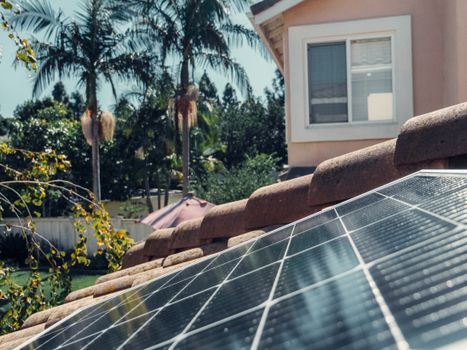
You could help people understand how sunshine can make electricity for their homes. You might draw pictures of sunny roofs and explain how the panels work.

Flag Media

Please select a reason for flagging this content.

Recycling Champion Organiser

You could help make sure everyone knows how to put their rubbish in the right bins so it can be used again. You'd make posters and tell your friends how important it is!

Learning About Energy

Explore How We Use Energy

Learn about different types of energy in your home and school, like electricity for lights and gas for heating.

Start by looking around your home. Where does the electricity come from that powers your TV or charges your tablet? What about the gas that heats your house or cooks your food? You can also think about how schools use energy for heating, lighting classrooms, and powering computers. Understanding these everyday uses is the first step to knowing how important energy is.

Discover Energy Sources

Find out where energy comes from, like sunshine, wind, water, and even underground.

There are many ways we get energy! Some are 'renewable', meaning they won't run out, like solar panels that catch sunlight, wind turbines that spin in the breeze, or hydroelectric power from flowing water. Others come from 'fossil fuels' like coal, oil, and gas, which are dug up from the ground. Learning about these different sources helps you understand why some are better for the planet than others.

Think About Saving Energy

Learn simple ways to save energy, like turning off lights or unplugging chargers when you're not using them.

Saving energy is super important! When you turn off lights in an empty room, wear an extra jumper instead of turning up the heating, or remember to unplug your phone charger when it's not charging, you're helping. These small actions reduce the amount of energy we need, which is good for the environment and helps us save money too. It's a great habit to start early!

Growing Your Knowledge

Study Science and Maths

Focus on subjects like Science and Maths in school, as they help you understand how energy works and how to measure it.

Science helps you understand the 'what' and 'how' of energy, like how electricity flows or how wind turbines generate power. Maths helps you with the 'how much', like calculating how much energy a house uses or how much power a solar panel can make. These subjects give you the tools to understand the details of energy policy later on.

Learn About the Environment

Discover how energy affects our planet and why it's important to use clean energy.

Some ways of making energy, like burning coal, can make the air dirty and contribute to climate change. Learning about environmental studies helps you understand these problems and why we need to find cleaner ways to power our homes and cars. This knowledge is key for an Energy Policy Analyst who wants to protect the planet.

Read About Current Events

Keep up-to-date with news about energy and the environment in the UK and around the world.

Lots of interesting things happen every day in the world of energy! Reading the news, even kid-friendly news articles, about new wind farms being built, electric cars becoming popular, or governments talking about climate change, helps you understand what's important right now. This makes you a more informed person and helps you see how energy policy affects everyone.

Becoming an Analyst

Go to University

Study subjects like environmental science, politics, economics, or engineering at university.

To become an Energy Policy Analyst, you'll likely need a university degree. You could study Environmental Science to understand the planet, Politics to learn how governments make decisions, Economics to understand money and resources, or Engineering to learn how energy systems are built. These degrees teach you the important skills needed for this job.

Get Work Experience

Look for opportunities to learn about how businesses or governments make energy decisions.

While you're studying or after you finish, try to get some work experience. This could be an internship with an energy company, a government department, or an environmental charity. Even helping out with a project that involves energy or the environment will give you valuable experience and help you see how your studies apply to real-world problems.

Learn to Analyse and Present

Practise looking at information, understanding it, and explaining it clearly to others.

A big part of an Energy Policy Analyst's job is to look at lots of information, like numbers about energy use or reports on new technologies. They then need to figure out what it all means and explain it clearly to people who make decisions, like politicians. Practising how to understand facts and then talk or write about them simply is a very important skill to develop.

🎬 Useful Videos

🎯 View Apprenticeships

Explore relevant apprenticeships that can help you kickstart your career in Energy Policy Analyst. Apprenticeships offer hands-on experience and training while earning a wage.

Career Progressions

This page showcases various career options and the pathways to reach them. Each career listed here shares transferable skills and knowledge, making it easier for individuals to transition between them.

Your current career is highlighted to help you see how it fits into the broader landscape of potential career choices. By clicking on any career, you can learn more about it, including the training and education required to pursue it.

Remember, progressing in your career often involves further learning and training. This page provides insights into future career options as well as those that can lead up to your current one.

These career progression decisions are informed by comparing the skills and knowledge needed for different occupations, along with data on how people move between them. Explore the possibilities and discover the exciting journey ahead in your career!

Sample Qualifications

An Energy Policy Analyst often evaluates energy use and policy impact, which aligns with the duties of a Commercial Energy Assessor who assesses energy performance in buildings and provides recommendations, implicitly related to policy implications and compliance.

How to become

You can get into this job through specialist courses run by private training organisations.

Other Routes

If you have no previous experience of commercial energy assessing you'll need to do one or both of the following:

  • Level 3 Diploma in Non-Domestic Energy Assessments
  • Level 4 Diploma in Commercial Energy Assessments

With a Level 3 diploma, you can carry out assessments on existing buildings.

With a Level 4 diploma, you can carry out assessments on new and existing commercial buildings.

If you have relevant experience from related roles or industries like surveying, construction or engineering, you may be able to do a fast-track course or have your previous experience accredited.


More Information

Further information

The government provides further information and a register of commercial energy assessors.

Interested in More Career Paths?

Explore other careers or use our AI to discover personalised paths based on your interests.

Stay connected

Join our newsletter to stay up to date on features and releases

Address
Developing Experts Limited
Exchange Street Buildings
35-37 Exchange Street
Norwich
NR2 1DP
UK

Phone
01603 273515

Email
[email protected]

Copyright 2026 Developing Experts, All rights reserved.