


Creating Career Path...

Finding Further Careers...

Hairdresser

View this career for different education levels:

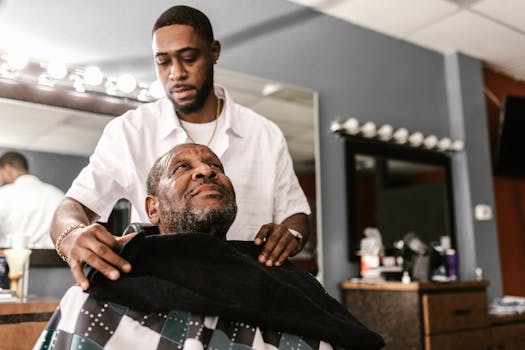
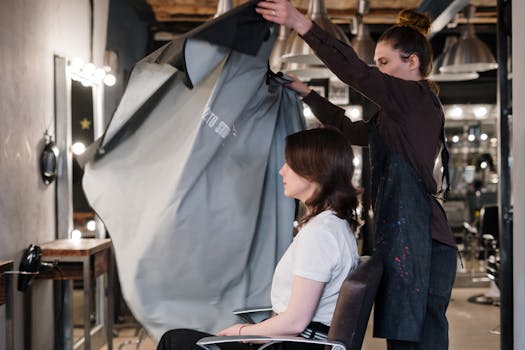
Being a hairdresser is all about making people look and feel great by styling their hair! You would learn how to cut hair, colour it, perm it, and create different styles for people of all ages. It's a very creative job where you get to use your artistic skills every day. You'd also spend a lot of time chatting to your clients, listening to what they want, and giving them advice on how to look after their hair. It's a job where you're always learning new trends and techniques to keep up with fashion. Working as a hairdresser usually means you'll be based in a salon, which is a busy and social environment. You'll need to be friendly, patient, and good at working with your hands. Keeping your workspace tidy and making sure everything is hygienic is also a big part of the job. You might start as an apprentice, learning on the job while also going to college, and then work your way up to become a senior stylist or even open your own salon one day!

Hairdresser

Flag Media

Please select a reason for flagging this content.

📊 Statistics

Salary Range (UK)

Starting salaries for hairdressers in the UK can be around 18,000 pounds per year, rising to 25,000 to 30,000 pounds or more for experienced stylists or those managing a salon.

Working Hours

Many hairdressers work around 37-40 hours a week, often including weekends and some evenings, as these are popular times for clients to visit.

Number of Positions

The hair and beauty industry is a significant employer in the UK, with tens of thousands of people working in salons across the country. There are always opportunities for new talent.

🚀 Careers in this path

Flag Media

Please select a reason for flagging this content.

Barber

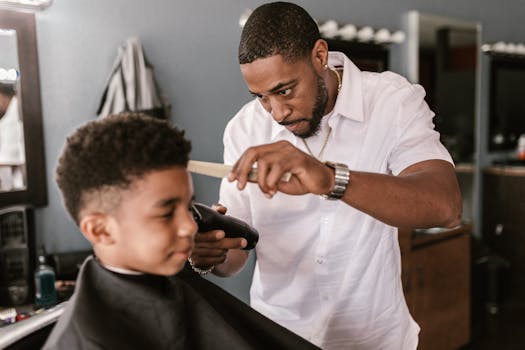
A barber is a type of hairdresser who specialises in cutting, styling, and grooming men's hair and beards. You'd learn to use clippers, scissors, and razors to create different looks, and maybe even offer traditional shaves. It's a bit more focused than general hairdressing.

Flag Media

Please select a reason for flagging this content.

Wig Maker

A wig maker designs and creates wigs, hairpieces, and extensions. This could be for people who've lost their hair, for actors in plays and films, or for fashion. You'd learn about different hair types, colours, and how to construct these pieces by hand or using machines.

Flag Media

Please select a reason for flagging this content.

Hair Colour Specialist

A hair colour specialist is a hairdresser who focuses mainly on colouring hair. This means learning all about different dyes, bleach, highlights, balayage, and how to mix colours to get the perfect shade. You'd also need to understand hair science to make sure the hair stays healthy during the colouring process.

Exploring Your Interest

Learn About Hair

Start by understanding different hair types, styles, and basic hair care routines. You can watch videos, read magazines, or even try out simple styles on family or friends.

There's a lot to learn about hair! You could look up how different hair types (like straight, wavy, curly, or coily) need different care. Also, explore simple braids, ponytails, or updos. Practising on dolls or willing family members is a great way to start getting hands-on experience and see if you enjoy it. Pay attention to how different products affect hair too.

Visit a Salon

If you can, pop into a local hairdressing salon with an adult. Observe what the hairdressers are doing and how they interact with clients. It's a great way to see the job in action!

When you visit a salon, try to notice the atmosphere. How do the hairdressers speak to their clients? What tools do they use? Do they seem busy? You could even ask an adult to enquire if they ever offer work experience or shadowing opportunities for young people, even just for an hour, to get a taste of the environment. This helps you understand the day-to-day life of a hairdresser.

Research Training

Look into what qualifications or courses you might need to become a hairdresser in the UK. This will help you understand the path ahead.

In the UK, many hairdressers start with NVQ (National Vocational Qualification) Levels 2 and 3 in Hairdressing, often through college courses or apprenticeships. You can start looking at local colleges or training providers that offer these courses. Websites like the National Careers Service are brilliant for exploring career paths and the qualifications needed. Understanding this early can help you choose your GCSEs later on.

Building Foundational Skills

Practise Basic Techniques

Get hands-on practice with basic hairdressing skills like washing, drying, brushing, and simple styling. The more you practise, the more confident you'll become.

Practice makes perfect! You can try simple blow-drying techniques, learning to use a brush to create volume or straighten hair. Experiment with different hair products like mousse, gel, or hairspray to see their effects. Learning to section hair neatly is also a fundamental skill. Look up tutorials online for basic braiding or plaiting techniques too, as these are often part of a hairdresser's toolkit.

Develop Communication Skills

Hairdressing is all about talking to people! Practise listening carefully and speaking clearly with friends and family. This will help you understand what clients want.

Good communication is super important. A big part of being a hairdresser is listening to what your client wants and offering advice. Try to describe things clearly and ask open-ended questions. Practising active listening – really paying attention to what someone says – will be a huge advantage. Confidence in speaking to new people will also grow with practice, which is key for building a good relationship with clients.

Consider a Part-Time Job

If you're old enough, a part-time job in a salon as a Saturday assistant or 'shampoo and sweep' can give you valuable experience and show you the salon environment.

Many successful hairdressers started out as salon assistants. Even if your main tasks are sweeping up hair, washing towels, or greeting clients, you'll be immersed in the salon world. You'll get to observe senior stylists, learn about salon etiquette, and understand the flow of a busy day. It's a fantastic way to get your foot in the door and make connections in the industry, even before you start formal training.

Formal Training and Career Launch

Complete a Qualification

Once you're older, enrol in a college course or an apprenticeship to get your official hairdressing qualifications, like an NVQ Level 2 and then Level 3.

An NVQ Level 2 will teach you the core skills like cutting, shampooing, conditioning, and basic styling. Moving on to Level 3 will cover more advanced techniques like complex colouring, perming, and hair extensions. Apprenticeships are brilliant because you learn on the job in a real salon while also attending college for formal lessons, meaning you earn money while you train and gain practical experience from day one.

Gain Salon Experience

Work in a salon to build up your experience, practise your skills, and start building your own client base. This is where you put your training into action!

After your qualification, securing a junior stylist position is the next step. You'll work under experienced hairdressers, assisting with clients and gradually taking on more responsibility. This is crucial for refining your techniques, learning speed, and developing your own style. Building a strong portfolio of your work and getting recommendations from happy clients will help you advance in your career.

Continuous Learning

The hair industry is always changing! Keep learning new trends, techniques, and products by attending workshops and courses throughout your career.

Hair fashion evolves constantly. To stay on top, it's really important to keep learning. Look out for advanced cutting courses, new colouring techniques (like balayage or ombre), or specialist treatments. Many product companies offer training, and industry shows are great for seeing what's new. This continuous development helps you offer the best to your clients and keeps your skills sharp and exciting.

🎯 View Apprenticeships

Explore relevant apprenticeships that can help you kickstart your career in Hairdresser. Apprenticeships offer hands-on experience and training while earning a wage.

Career Progressions

This page showcases various career options and the pathways to reach them. Each career listed here shares transferable skills and knowledge, making it easier for individuals to transition between them.

Your current career is highlighted to help you see how it fits into the broader landscape of potential career choices. By clicking on any career, you can learn more about it, including the training and education required to pursue it.

Remember, progressing in your career often involves further learning and training. This page provides insights into future career options as well as those that can lead up to your current one.

These career progression decisions are informed by comparing the skills and knowledge needed for different occupations, along with data on how people move between them. Explore the possibilities and discover the exciting journey ahead in your career!

Sample Qualifications

How to become

You could get into this job through:

  • a college course
  • an apprenticeship
  • working towards this role

College

You could take a college course that will give you some of the skills and knowledge you'll need to start in this career.

Courses include:

  • hairdressing
  • barbering
  • women's and men's hairdressing

You may be able to combine these courses with other subjects like make-up and nails.

Entry requirements

Entry requirements for these courses vary.

More Information

Apprenticeship

You could apply to do an apprenticeship to get into this job, for example:

  • Hairdressing Professional Level 2 Intermediate Apprenticeship
  • Barbering Professional Level 2 Intermediate Apprenticeship
  • Creative Hair Professional Level 3 Advanced Apprenticeship

These apprenticeships take between 1 and 2 years to complete.

Entry requirements

You'll usually need:

  • some GCSEs, usually including English and maths, or equivalent, for an intermediate apprenticeship
  • 5 GCSEs at grades 9 to 4 (A* to C), or equivalent, including English and maths, for an advanced apprenticeship

More Information

Work

You might be able to start work as a trainee hairdresser or barber and learn on the job.

Your employer would expect you to take a part-time course to get qualifications, either at a college or in their own training school.

You may also be able to work freelance and rent space in a salon or barbershop, though you'll usually have to supply your own equipment.

More Information

Career tips

If your aim is to manage or open your own salon or barbershop, it may help to get some business qualifications alongside hairdressing experience.

Further information

You can find out more about careers in hairdressing and barbering from the Hair and Beauty Industry Authority (HABIA) and National Hair and Beauty Federation (NHBF).

Interested in More Career Paths?

Explore other careers or use our AI to discover personalised paths based on your interests.

Stay connected

Join our newsletter to stay up to date on features and releases

Address
Developing Experts Limited
Exchange Street Buildings
35-37 Exchange Street
Norwich
NR2 1DP
UK

Phone
01603 273515

Email
[email protected]

Copyright 2026 Developing Experts, All rights reserved.