

Creating Career Path...

Finding Further Careers...

Hairdresser

View this career for different education levels:

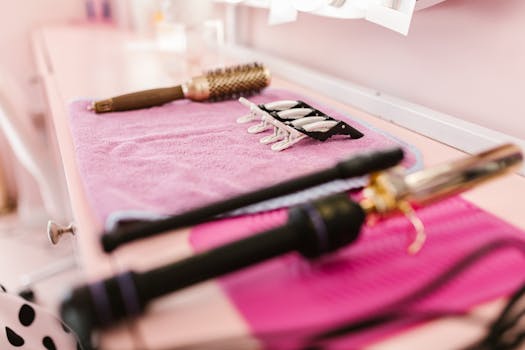
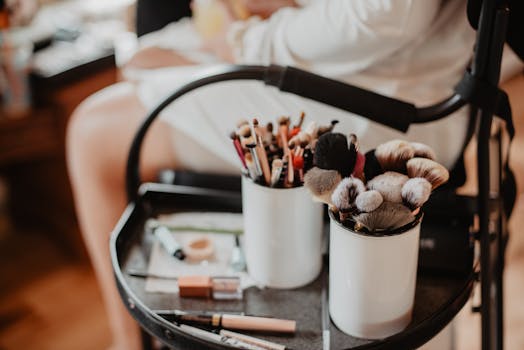
Imagine making people feel happy and look amazing by styling their hair! That's what a hairdresser does. They are like artists but their canvas is hair. A hairdresser might wash hair, cut it into cool new styles, colour it with bright or natural shades, and even do fancy updos for special occasions like parties or weddings. They need to be very friendly and good at listening to what people want, so they can create the perfect look for each person. They also learn all about different hair types and how to keep hair healthy and shiny. It's a job where you get to be creative every day and chat with lots of different people.

Hairdresser

Flag Media

Please select a reason for flagging this content.

📊 Statistics

Starting Salary

Hairdressers in the UK often start with a salary around 16,000 to 18,000 pounds a year, especially when they are just beginning their training or have recently qualified.

Experienced Salary

Once a hairdresser has more experience and a good set of clients, they can earn between 20,000 and 30,000 pounds a year. Very popular or specialist hairdressers might earn even more.

Number of Businesses

There are over 40,000 hair and beauty salons across the UK, which means lots of places where hairdressers can work.

🚀 Careers in this path

Flag Media

Please select a reason for flagging this content.

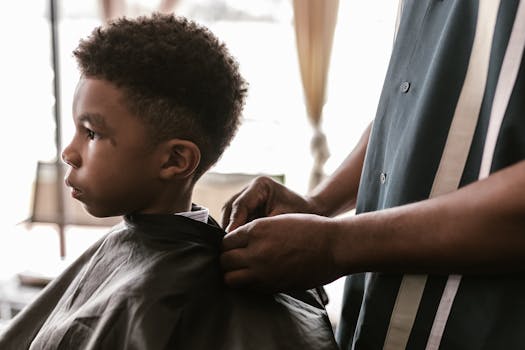
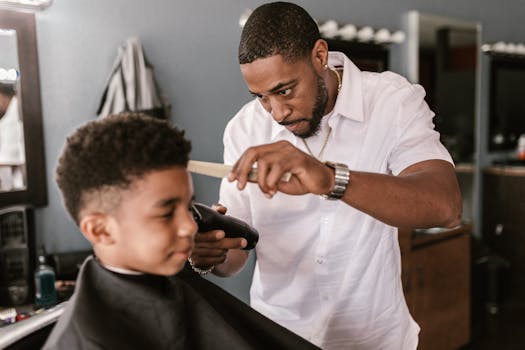
Childrens Hair Stylist

Imagine cutting and styling hair just for children, making them look super smart or fancy for parties! You'd have lots of colourful clips and fun tools.

Flag Media

Please select a reason for flagging this content.

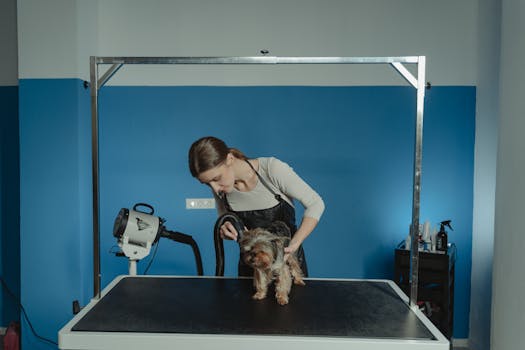
Pet Groomer

If you love animals, you could be a pet groomer! You'd wash, brush, and trim the fur of dogs and cats, making them look and feel amazing.

Flag Media

Please select a reason for flagging this content.

Wig Maker for Theatre

This is a super creative job! You'd make amazing wigs and hairstyles for actors in plays and musicals, helping them transform into different characters for the stage.

Learning the Basics

Watch and Learn

Pay attention to how grown-ups brush, wash, and style hair. You can watch videos online or even ask your family if you can watch them when they do their hair.

Start by observing how hair behaves. Notice different hair colours and textures. You can even try to gently brush a doll's hair or a family member's hair (with permission, of course!). This helps you understand the basics of handling hair.

Play Hairdresser

Use toy combs, brushes, and pretend spray bottles to practice on dolls, teddy bears, or even your friends (if they agree!). This is a fun way to try out different styles.

Playing is a great way to experiment! Try giving your dolls different hairstyles, like pigtails, plaits, or ponytails. Imagine you have a tiny salon and practice being friendly and asking what style your 'customer' would like. This helps you get used to being creative and talking to people about their hair.

Look at Hair Styles

Look in magazines, books, or online for different hairstyles that you like. This helps you get ideas for when you're older and want to create amazing looks.

Collecting pictures of hairstyles you find interesting can inspire you. Notice the colours, cuts, and ways people style their hair for different occasions. This helps you develop an eye for what looks good and what current trends are, which is important for a future hairdresser.

Growing Your Skills

Ask Questions

If you visit a hairdresser, don't be shy! Ask them about their job, what tools they use, and how they learned to do hair. They might have some cool tips!

Asking questions is a brilliant way to learn directly from people who do the job every day. You could ask things like 'What's your favourite part of being a hairdresser?' or 'How did you learn to cut hair so neatly?'. Their answers can give you real insights into the profession and what it takes to succeed.

Try Simple Styles

With permission from a grown-up, try doing simple hairstyles on yourself or family members, like tying a ponytail, making a simple plait, or brushing hair smoothly.

Start with easy styles to build your confidence and dexterity. Learning to do a neat ponytail, a basic three-strand plait, or just a good brush-out is fantastic practice. Remember to always be gentle with hair and ask for help if you're not sure how to do something safely. This hands-on experience is super valuable.

Learn About Hair Health

Start to learn why it's important to keep hair clean and healthy. What makes hair shiny? What makes it dull? This will help you understand how to care for hair properly.

Understanding the basics of hair care is crucial. You can learn about different types of shampoos and conditioners, why we wash our hair, and why eating healthy foods can even help your hair grow strong. Knowing how to keep hair healthy is just as important as knowing how to style it, as healthy hair looks much better.

Becoming a Hairdresser

Study in School

When you are older, doing well in school, especially in subjects like art or design technology, can help you with creativity and precision needed for hairdressing.

While there aren't specific subjects you must take, doing well in school, generally, shows you are dedicated and can learn new things. Subjects that involve creativity, working with your hands, or understanding shapes and colours can be very helpful for a future in hairdressing. Good communication skills are also really important for talking to customers.

Go to College

After school, you can go to a college where you can learn all the special skills to become a hairdresser, like cutting, colouring, and styling hair safely and professionally.

Many people become hairdressers by taking a college course in hairdressing or beauty therapy. These courses teach you everything from advanced cutting techniques and hair colouring to health and safety in a salon, and how to look after customers. You'll get hands-on experience and often work on real clients under supervision.

Do an Apprenticeship

Another way is to work in a hair salon as an apprentice. This means you learn on the job from experienced hairdressers while also studying. You get to learn and earn a little bit of money!

An apprenticeship is a fantastic way to learn by doing. You'll spend most of your time in a real salon, helping out, watching experienced hairdressers, and gradually taking on more responsibilities. You'll also spend some time studying, usually at a college, to get your formal qualifications. It's a great way to gain practical experience and make industry connections.

🎯 View Apprenticeships

Explore relevant apprenticeships that can help you kickstart your career in Hairdresser. Apprenticeships offer hands-on experience and training while earning a wage.

Career Progressions

This page showcases various career options and the pathways to reach them. Each career listed here shares transferable skills and knowledge, making it easier for individuals to transition between them.

Your current career is highlighted to help you see how it fits into the broader landscape of potential career choices. By clicking on any career, you can learn more about it, including the training and education required to pursue it.

Remember, progressing in your career often involves further learning and training. This page provides insights into future career options as well as those that can lead up to your current one.

These career progression decisions are informed by comparing the skills and knowledge needed for different occupations, along with data on how people move between them. Explore the possibilities and discover the exciting journey ahead in your career!

Sample Qualifications

How to become

You could get into this job through:

  • a college course
  • an apprenticeship
  • working towards this role

College

You could take a college course that will give you some of the skills and knowledge you'll need to start in this career.

Courses include:

  • hairdressing
  • barbering
  • women's and men's hairdressing

You may be able to combine these courses with other subjects like make-up and nails.

Entry requirements

Entry requirements for these courses vary.

More Information

Apprenticeship

You could apply to do an apprenticeship to get into this job, for example:

  • Hairdressing Professional Level 2 Intermediate Apprenticeship
  • Barbering Professional Level 2 Intermediate Apprenticeship
  • Creative Hair Professional Level 3 Advanced Apprenticeship

These apprenticeships take between 1 and 2 years to complete.

Entry requirements

You'll usually need:

  • some GCSEs, usually including English and maths, or equivalent, for an intermediate apprenticeship
  • 5 GCSEs at grades 9 to 4 (A* to C), or equivalent, including English and maths, for an advanced apprenticeship

More Information

Work

You might be able to start work as a trainee hairdresser or barber and learn on the job.

Your employer would expect you to take a part-time course to get qualifications, either at a college or in their own training school.

You may also be able to work freelance and rent space in a salon or barbershop, though you'll usually have to supply your own equipment.

More Information

Career tips

If your aim is to manage or open your own salon or barbershop, it may help to get some business qualifications alongside hairdressing experience.

Further information

You can find out more about careers in hairdressing and barbering from the Hair and Beauty Industry Authority (HABIA) and National Hair and Beauty Federation (NHBF).

Interested in More Career Paths?

Explore other careers or use our AI to discover personalised paths based on your interests.

Stay connected

Join our newsletter to stay up to date on features and releases

Address
Developing Experts Limited
Exchange Street Buildings
35-37 Exchange Street
Norwich
NR2 1DP
UK

Phone
01603 273515

Email
[email protected]

Copyright 2026 Developing Experts, All rights reserved.