Creating Career Path...

Finding Further Careers...

Power Systems Engineer

View this career for different education levels:

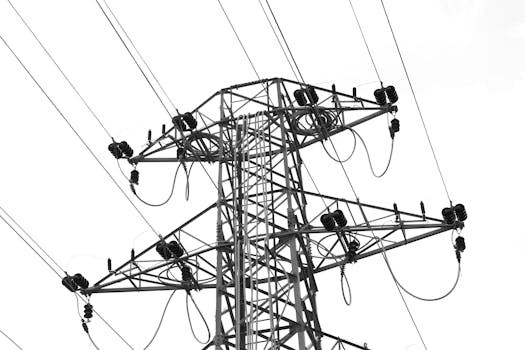
A Power Systems Engineer in the UK plays a critical role in the design, development, operation, and maintenance of the electrical infrastructure that powers our homes, businesses, and transport. This career involves working with everything from large-scale power generation plants (including traditional fossil fuels, nuclear, and increasingly, renewable sources like wind and solar) to transmission and distribution networks, right down to industrial and commercial electrical systems. You'll be involved in ensuring the reliability, efficiency, and safety of the national grid, managing power flows, and integrating new technologies, particularly those related to decarbonisation efforts. This could mean designing substations, analysing grid stability, developing smart grid solutions, or working on HVDC (High Voltage Direct Current) projects. The day-to-day work can be varied, encompassing technical analysis, simulations, project management, and site visits. You'll need a strong understanding of electrical engineering principles, power electronics, control systems, and often, a good grasp of relevant regulations and safety standards. The role is pivotal in the UK's transition to a sustainable energy future, tackling challenges like grid balancing with intermittent renewables, developing energy storage solutions, and supporting the electrification of heating and transport. It requires strong problem-solving skills, attention to detail, and often, collaborative teamwork with other engineers, project managers, and stakeholders.

Power Systems Engineer

Flag Media

Please select a reason for flagging this content.

📊 Statistics

Average Salary Range

Starting salaries for Power Systems Engineers in the UK can typically range from 28,000 to 35,000 annually. With experience, this can rise significantly, with experienced engineers earning between 45,000 and 65,000, and senior or principal roles potentially exceeding 75,000.

Number of Positions / Job Market

The UK energy sector is undergoing a significant transformation towards net zero, which is creating a strong demand for Power Systems Engineers. There are consistently hundreds of active job postings across the country at any given time, particularly in areas related to renewable energy integration, grid modernisation, and electric vehicle infrastructure. Growth is expected to remain strong for the foreseeable future.

Typical Working Hours

Most Power Systems Engineers work standard office hours, typically 37-40 hours per week, Monday to Friday. However, project deadlines or critical system issues might occasionally require extended hours. Roles involving field work or operational support for critical infrastructure may sometimes involve shift work or being on call.

🚀 Careers in this path

Flag Media

Please select a reason for flagging this content.

Grid Operations Engineer

Focuses on the real time monitoring, control, and optimisation of the national power grid to ensure stable and reliable electricity supply. This involves managing power flows, responding to outages, and integrating renewable energy sources. Great for someone who enjoys dynamic problem solving and immediate impact.

Renewable Energy Development Engineer

Specialises in the design, development, and implementation of renewable energy projects such as wind farms, solar parks, or battery storage systems. This role often involves site assessment, technology selection, system integration, and ensuring grid compliance for clean energy sources.

Electrical Protection Engineer

Designs, implements, and maintains protection schemes for power systems to prevent damage to equipment and ensure safety during fault conditions. This involves specifying relays, circuit breakers, and control systems, as well as conducting fault analysis and commissioning new protection systems.

Build Your Foundational Knowledge

Achieve Strong Academic Qualifications

Obtain a relevant Bachelor's degree in Electrical Engineering, Power Systems Engineering, or a closely related field. Focus on modules related to power generation, transmission, distribution, and control systems.

Most entry-level Power Systems Engineer roles require a minimum of a 2:1 honours degree from an accredited university. Look for programmes that offer specialisations in power engineering, electrical power systems, or renewable energy systems. Some universities may also offer integrated Master's (MEng) degrees which are highly valued in the industry and can sometimes fast-track professional development. Ensure your chosen degree programme is accredited by the Institution of Engineering and Technology (IET) as this is important for future professional registration.

Develop Core Technical Skills

Gain a solid understanding of electrical circuits, electromagnetic theory, power electronics, control systems, and machinery. Familiarise yourself with relevant software tools.

Beyond theoretical knowledge, practical skills in using industry-standard software are invaluable. This includes simulation tools like MATLAB/Simulink, PSCAD, ETAP, PSS/E, or DIgSILENT PowerFactory. Try to incorporate projects or modules that involve these tools during your degree. Understanding programming languages like Python can also be highly beneficial for data analysis and automation within power systems engineering.

Undertake Relevant Work Experience

Seek internships, placements, or part-time roles with companies involved in power generation, transmission, or distribution.

Work experience, even if it's just a summer internship, is incredibly important. It not only provides practical insight into the industry but also helps you build a professional network. Look for opportunities with National Grid, EDF Energy, SSE, ScottishPower, UK Power Networks, or engineering consultancies specialising in power. Even smaller local energy companies or renewable energy developers can offer valuable experience. Consider industrial placements offered as part of your degree course, as these are often structured to provide comprehensive exposure.

Specialise and Professionalise

Consider Further Postgraduate Study

Pursue a Master's degree (MSc) in a specialised area such as Renewable Energy Systems, Smart Grids, or Power System Protection, if you wish to deepen your expertise.

While not always mandatory, a Master's degree can provide a competitive edge and open doors to more specialised or research-intensive roles. It's particularly useful if you aim to work in niche areas like offshore wind power, energy storage, or advanced grid control. Many universities offer part-time MSc programmes, which can be completed while working, allowing you to gain experience simultaneously. Research specific programmes that align with your career aspirations and the current trends in the power industry.

Engage in Continuous Professional Development

Stay updated with industry trends, new technologies, and regulatory changes through courses, workshops, and industry publications.

The power industry is constantly evolving, especially with the push towards decarbonisation and smart grids. Regularly attending webinars, workshops, and conferences organised by institutions like the IET, Energy Institute, or relevant industry bodies is vital. Subscribe to industry journals and online resources to keep abreast of innovations in areas like battery storage, hydrogen power, carbon capture, and digital grid solutions. This commitment to lifelong learning is essential for career progression.

Work Towards Professional Registration

Aim to achieve Chartered Engineer (CEng) status with the Engineering Council, via a professional institution like the IET.

Chartered Engineer status is a recognised benchmark of engineering competence and commitment. It demonstrates that you have achieved a high level of professional competence and ongoing commitment to professional standards. The process typically involves gaining several years of relevant experience post-graduation (usually 4-5 years), documenting your professional development, and undergoing a professional review. Starting to plan for this early in your career, perhaps by finding a mentor who is already chartered, is highly recommended.

Advance Your Career

Cultivate Leadership and Project Management Skills

Seek opportunities to lead projects, mentor junior engineers, and manage teams to develop essential soft skills.

As you progress, your role will likely shift from purely technical tasks to overseeing projects and guiding others. This requires strong communication, teamwork, problem-solving, and decision-making abilities. Volunteer to take on more responsibility, perhaps by managing a small project or leading a specific task within a larger team. Consider taking courses or certifications in project management (e.g., PRINCE2 or Agile) to formalise these skills, which are highly valued in senior engineering roles.

Network and Build Industry Connections

Actively participate in professional bodies, industry events, and conferences to expand your professional network.

Networking is crucial for career advancement. Attending industry events, joining committees within professional institutions (like the IET), and engaging with peers and senior professionals can open doors to new opportunities, collaborations, and mentorship. These connections provide insights into industry trends, potential job openings, and even new areas of specialisation you might not have considered. Online professional platforms like LinkedIn are also excellent tools for connecting with others in the power systems engineering field.

Explore Specialised Career Paths

Consider specialising in high-demand areas such as renewable energy integration, smart grid development, or cybersecurity for critical infrastructure.

The energy landscape is rapidly changing, creating new and exciting specialisation opportunities. With the UK's net-zero targets, expertise in areas like offshore wind farm integration, grid-scale battery storage, electric vehicle charging infrastructure, or the digital resilience of smart grids (cybersecurity) is highly sought after. Research these emerging fields and align your continuous professional development and project choices with areas that genuinely interest you and offer significant growth potential.

🎬 Useful Videos

🎯 View Apprenticeships

Explore relevant apprenticeships that can help you kickstart your career in Power Systems Engineer. Apprenticeships offer hands-on experience and training while earning a wage.

Career Progressions

This page showcases various career options and the pathways to reach them. Each career listed here shares transferable skills and knowledge, making it easier for individuals to transition between them.

Your current career is highlighted to help you see how it fits into the broader landscape of potential career choices. By clicking on any career, you can learn more about it, including the training and education required to pursue it.

Remember, progressing in your career often involves further learning and training. This page provides insights into future career options as well as those that can lead up to your current one.

These career progression decisions are informed by comparing the skills and knowledge needed for different occupations, along with data on how people move between them. Explore the possibilities and discover the exciting journey ahead in your career!

Sample Qualifications

A Power Systems Engineer designs, develops, and maintains electrical power systems. While not a direct match, 'Civil engineer' is the closest available option as it involves large-scale infrastructure design and implementation, which can include power infrastructure components like substations or transmission line foundations. None of the other options relate to large-scale electrical power systems.

How to become

You can get into this job through:

  • a university course
  • a college course
  • an apprenticeship
  • working towards this role

University

You can do a foundation degree, higher national diploma or degree in civil engineering.

Many universities specialise in particular areas of civil engineering, like:

  • transport engineering
  • environmental engineering
  • coastal and maritime engineering

You can search for accredited courses through the Institution of Civil Engineers. Some courses include a work placement, which can be useful for making industry contacts to help you find work after university.

You can also do further study for a postgraduate master's qualification in civil engineering, if you've got a degree in a related subject like maths, science or geology.

Entry requirements

You'll usually need:

  • 2 or 3 A levels, or equivalent, including maths and a science for a degree
  • a degree in a relevant subject for postgraduate study

More Information

College

You could take a course at college, which might help you to get work as a trainee civil engineer, or to apply for further study at university.

Subjects include:

  • civil engineering
  • maths, physics or geography
  • construction and the built environment

Entry requirements

Entry requirements for these courses vary.

More Information

Apprenticeship

You can apply to do a Civil Engineer Level 6 Degree Apprenticeship with an engineering or construction company.

This takes around 5 years to complete.

Entry requirements

You'll usually need:

  • 4 or 5 GCSEs at grades 9 to 4 (A* to C) and A levels, or equivalent, for a higher or degree apprenticeship

More Information

Work

You could work as a civil engineering technician and study on the job for a degree or apprenticeship.

You'll usually need 5 GCSEs at grades 9 to 4 (A* to C), or equivalent, including English, maths and science. Employers may also look for 1 or 2 A levels, or equivalent qualifications.

More Information

Professional and industry bodies

You can join the Institution of Civil Engineers (ICE) for professional development opportunities and to make industry contacts.

Further information

You can learn more about how to become a civil engineer from the Institution of Civil Engineers (ICE).

Interested in More Career Paths?

Explore other careers or use our AI to discover personalised paths based on your interests.

Stay connected

Join our newsletter to stay up to date on features and releases

Address
Developing Experts Limited
Exchange Street Buildings
35-37 Exchange Street
Norwich
NR2 1DP
UK

Phone
01603 273515

Email
[email protected]

Copyright 2026 Developing Experts, All rights reserved.