
You can do a foundation degree or higher national diploma in electrical and electronic engineering.
Entry requirements
You'll usually need:
- 1 or 2 A levels, or equivalent, for a foundation degree or higher national diploma
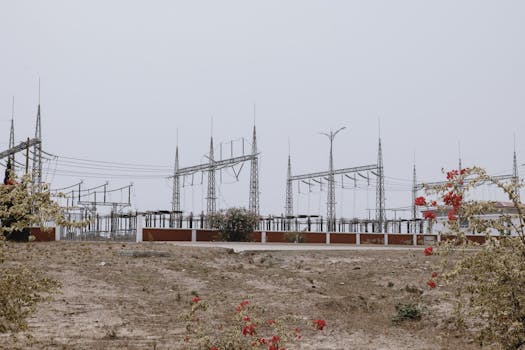
An Electrical Grid Technician, sometimes known as a Power Network Technician or Linesman, plays a crucial role in maintaining the UK's electrical distribution and transmission networks. This involves a wide range of tasks from installing and maintaining overhead power lines and underground cables to inspecting and repairing substations and transformers. You'd be responsible for ensuring the safe and reliable supply of electricity to homes and businesses across the country. The job entails a mix of practical outdoor work, often in challenging weather conditions, and precise technical analysis. You'll need to diagnose faults, perform preventative maintenance, and respond rapidly to power outages, adhering to strict safety protocols at all times. This career demands excellent problem-solving skills, a strong understanding of electrical principles, and a commitment to health and safety. You'd typically work as part of a team, using specialised equipment and tools to keep the grid running smoothly.
Starting salaries for Electrical Grid Technicians in the UK typically range from 25,000 to 35,000 per year. Experienced technicians can earn between 35,000 and 45,000, with highly experienced or specialist roles potentially exceeding 50,000.
The demand for skilled Electrical Grid Technicians remains steady in the UK, driven by ongoing investment in infrastructure, grid modernisation, and the transition to renewable energy sources. While precise figures fluctuate, the sector consistently requires new talent for maintenance, upgrades, and new project installations.
Electrical Grid Technicians often work 37-40 hours per week. However, due to the critical nature of grid infrastructure, this role frequently involves working shifts, being on call, and responding to emergency repairs outside of standard hours, including evenings, weekends, and public holidays.
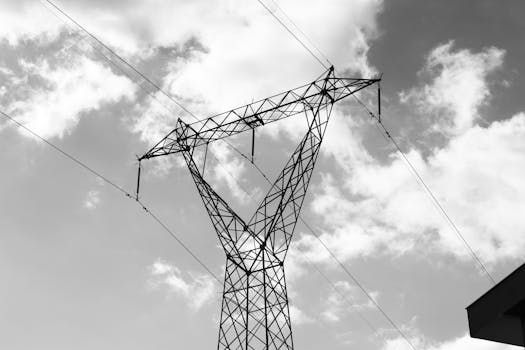
Works on the local electrical network, installing, maintaining, and repairing overhead lines, underground cables, substations, and other equipment that brings electricity to homes and businesses. This is often an outdoor, hands-on role with emergency call-out responsibilities.
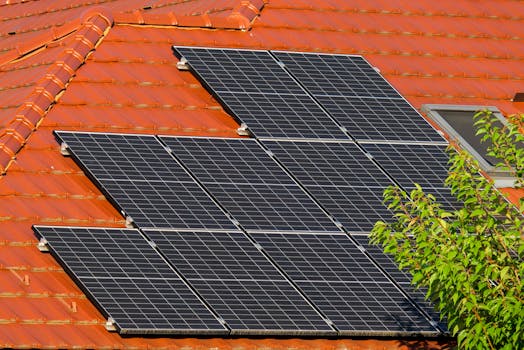
Specialises in the installation, maintenance, and fault-finding of renewable energy generation systems, such as wind turbines, solar farms, or battery energy storage systems. This role often involves working with cutting-edge technology and contributing to the UK's green energy transition.

A highly skilled technician who specialises in joining and terminating high voltage cables, often underground or within substations. This is a critical role for maintaining the integrity and reliability of the national grid and regional distribution networks, requiring precision and adherence to strict safety protocols.
Secure GCSEs or equivalent in Maths, English, and Science (Physics or Combined Science are ideal), as these are often entry requirements for further education or apprenticeships.
Many apprenticeship programmes and college courses require a minimum of 4-5 GCSEs at grades 9-4 (A*-C), including English, Maths, and a science subject. If you didn't achieve these grades in school, consider taking Functional Skills qualifications or an Access to Higher Education course in a relevant subject area to bridge any gaps. Strong foundational knowledge in these subjects is key to understanding electrical principles.
Enrol in a Level 2 or Level 3 college course related to electrical engineering, such as an NVQ, BTEC, or City & Guilds qualification in Electrical Installation or Power Engineering.
These courses provide a structured learning environment and practical skills essential for working with electrical systems. A Level 3 qualification like a BTEC National Diploma in Electrical/Electronic Engineering or an NVQ Level 3 in Electrical Maintenance can significantly enhance your employability, demonstrating a commitment to the field and providing a solid theoretical understanding. Look for courses that include practical workshop experience.
Seek out opportunities for work experience, even if unpaid, with local electrical contractors, utility companies, or engineering firms to get a taste of the industry.
Work experience can be invaluable for understanding the day-to-day realities of an electrical role and for networking. Even a week or two shadowing professionals can provide insights into safety protocols, different types of equipment, and the problem-solving required. It also looks great on your CV and can help you make an informed decision about your career path. Contact local firms directly or look for schemes offered by larger utility companies.
The most common and highly recommended route is to secure an advanced or higher apprenticeship with a DNO (Distribution Network Operator) or TNO (Transmission Network Operator).
Electrical Grid Technician apprenticeships typically last 3-4 years and combine on-the-job training with classroom-based learning, leading to recognised qualifications like NVQs and BTECs. These programmes are highly competitive but offer an excellent pathway, providing paid training, practical skills, and often a guaranteed job upon completion. Look for opportunities with companies like National Grid, SSE, UK Power Networks, ScottishPower, or Western Power Distribution.
Throughout your apprenticeship, you will undertake specific training modules on high-voltage systems, safety procedures, and specialised equipment.
This training is crucial as working on the electrical grid involves significant risks, and strict safety protocols must be followed. You'll learn about working at height, confined spaces, live line working (under strict supervision), fault diagnosis, and various aspects of transmission and distribution networks. Certification in specific areas like First Aid, Manual Handling, and specialised plant operation will also be part of your development.
Successfully complete your apprenticeship programme and gain the necessary certifications and qualifications to become a fully-fledged Electrical Grid Technician.
Upon successful completion of your apprenticeship, you will have a comprehensive understanding of electrical grid operations, safety standards, and practical maintenance techniques. This typically involves achieving a Level 3 or higher qualification such as an NVQ Diploma in Power Network Craftsperson (Electrical), confirming your competence to work independently and as part of a team in managing the electrical infrastructure.
Stay updated with the latest technologies, safety regulations, and industry best practices through ongoing training and courses.
The electrical grid is constantly evolving with new technologies like smart grids, renewable energy integration, and advanced fault detection systems. Companies regularly provide training for their technicians to ensure they are competent with new equipment and procedures. Seeking out additional certifications, attending workshops, and engaging with industry publications are all vital for maintaining your expertise and staying competitive.
Consider specialising in a particular aspect of grid technology, such as high-voltage systems, underground cables, overhead lines, or smart grid technologies.
Specialisation can open up more advanced roles and responsibilities. For example, becoming an expert in fault location and repair for underground cables, or focusing on the maintenance of substation switchgear. This often involves further specific training and can lead to becoming a lead technician or a subject matter expert within your team or company, offering opportunities for higher pay and increased influence.
With experience and further training, you can progress into supervisory, team leader, or management positions within a DNO or TNO.
Experienced Electrical Grid Technicians who demonstrate strong leadership skills, technical expertise, and a commitment to safety can advance to roles such as Senior Technician, Team Leader, or even Operations Manager. These roles involve overseeing teams, managing projects, scheduling maintenance, and ensuring operational efficiency and safety across a wider area. Further management qualifications, such as an ILM qualification, could be beneficial.
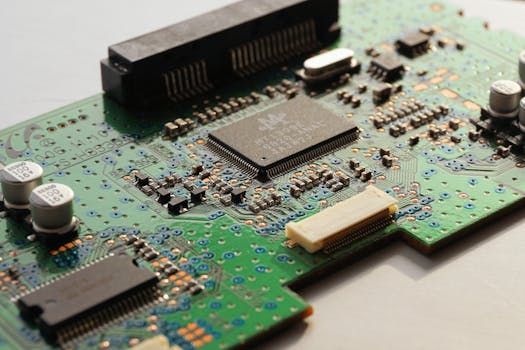
Designs, develops, and manages electrical systems and components, often working on more complex projects, research, and system optimisation rather than hands-on maintenance.
Specialises in the installation, maintenance, and repair of renewable energy systems, such as wind turbines, solar panels, or biomass generators, which often connect to the national grid.
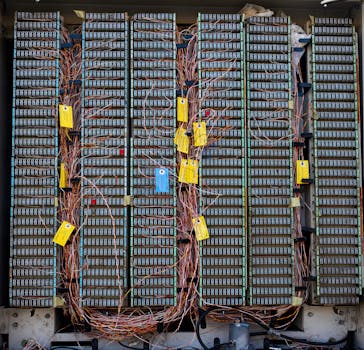
Focuses on the design, installation, and maintenance of communication systems, including fibre optic networks and mobile phone masts, sharing some similar skills in outdoor technical work and infrastructure management.
Explore relevant apprenticeships that can help you kickstart your career in Electrical Grid Technician. Apprenticeships offer hands-on experience and training while earning a wage.
This page showcases various career options and the pathways to reach them. Each career listed here shares transferable skills and knowledge, making it easier for individuals to transition between them.
Your current career is highlighted to help you see how it fits into the broader landscape of potential career choices. By clicking on any career, you can learn more about it, including the training and education required to pursue it.
Remember, progressing in your career often involves further learning and training. This page provides insights into future career options as well as those that can lead up to your current one.
These career progression decisions are informed by comparing the skills and knowledge needed for different occupations, along with data on how people move between them. Explore the possibilities and discover the exciting journey ahead in your career!
An Electrical Grid Technician primarily works with electrical systems, power distribution, and grid infrastructure, which aligns closely with the duties and qualifications of an Electrical engineering technician. The other options are too specific or focus on different domains.
You can get into this job through:
You can do a foundation degree or higher national diploma in electrical and electronic engineering.
You'll usually need:
You can take a college course, which would teach you some of the skills needed for the job and may help you to find a trainee position with a company.
Relevant courses include:
Entry requirements for these courses vary.
4 or 5 GCSEs at grades 9 to 4 (A* to C), or equivalent, including English and maths for a T Level
You can apply to do an Engineering and Manufacturing Level 2 Foundation Apprenticeship.
You can also do a Level 3 Advanced Apprenticeship, such as:
You'll usually need:
You can apply directly for jobs if you have relevant experience and qualifications. For example, from electrical, electronic, power or building services engineering.
You can find out more about careers in electrical engineering through Tomorrow's Engineers and The Institution of Engineering and Technology.
Explore other careers or use our AI to discover personalised paths based on your interests.
Address
Developing Experts Limited
Exchange Street Buildings
35-37 Exchange Street
Norwich
NR2 1DP
UK
Phone
01603 273515
Email
[email protected]
Copyright 2026 Developing Experts, All rights reserved.

Unlock expert-designed lessons, resources, and assessments tailored for educators. No credit card required.
Claim Your Free Trial →