
You can do a foundation degree or higher national diploma in electrical and electronic engineering.
Entry requirements
You'll usually need:
- 1 or 2 A levels, or equivalent, for a foundation degree or higher national diploma
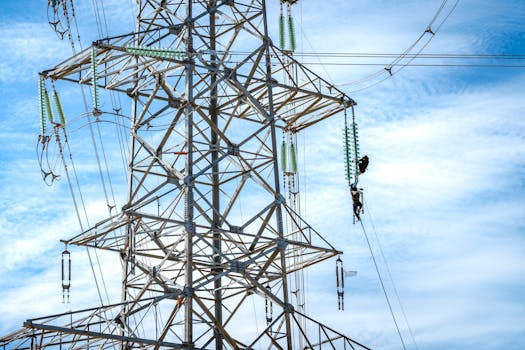
An Electrical Grid Technician is a really important job that helps keep electricity flowing to our homes, schools, and businesses across the whole country. Imagine all the power lines, substations, and equipment that make up the UK's electrical grid – these technicians are the people who build, maintain, and repair them. It involves working outdoors a lot, often at heights or in different weather conditions, to make sure everything is running safely and efficiently. You'd be using special tools and equipment to test electrical systems, fix faults, and install new parts. Safety is a massive part of this job, as you're working with very powerful electricity. This career is all about practical skills and problem-solving. You might be responding to power cuts, preventing them from happening, or helping to connect new homes or businesses to the national grid. It requires good attention to detail, a strong understanding of electrical principles, and the ability to work well in a team. Many people get into this job through apprenticeships, which means you learn on the job while also studying for qualifications. It's a hands-on role that plays a vital part in our daily lives.
For an apprentice or new starter, you might expect to earn between 18,000 to 25,000 pounds per year in the UK.
Experienced Electrical Grid Technicians in the UK can earn between 35,000 to 50,000 pounds annually, with some specialist roles earning even more.
The UK energy sector is constantly evolving, with a steady demand for skilled technicians to maintain and upgrade our electrical infrastructure, especially with the move towards greener energy sources.
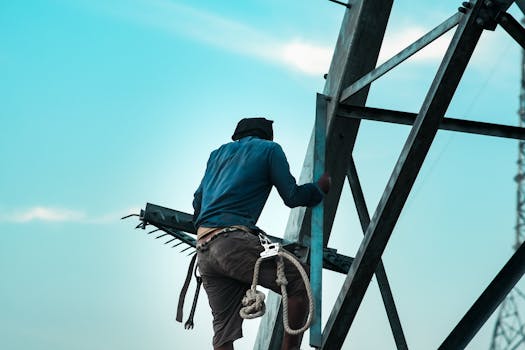
Imagine helping to fix and maintain the big electricity cables that bring power to our homes and schools. You would work outdoors, often high up, making sure everything is safe and working properly. It's an important job to keep the lights on!

This job is all about the special 'substations' that change electricity from really high power to lower power so it can be used safely. You would help design and look after the big transformers and switches in these substations, making sure they work efficiently and reliably.
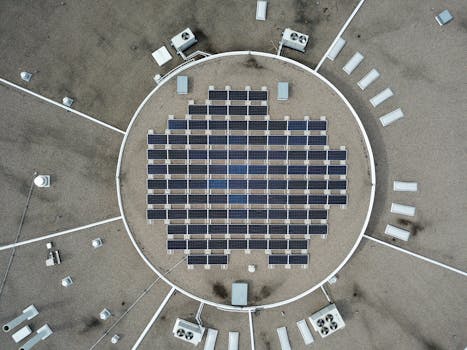
With more wind turbines and solar panels being built, someone needs to look after them! You could work on maintaining and fixing equipment that generates clean electricity, helping to power our homes using energy from the sun or wind, making a big difference for the planet.
Start by doing well in school, especially in subjects that involve maths and science.
To become an Electrical Grid Technician, having a good grasp of Maths, Physics, and Design & Technology will be really helpful. These subjects teach you how things work, problem-solving, and practical skills. Aim for good grades in your GCSEs (or equivalent) as these will be important for future college or apprenticeship applications.
Get involved in activities or subjects that teach you how to build or fix things.
Consider taking subjects like Resistant Materials, Engineering, or even Computer Science if your school offers them. Outside of school, you could try building models, fixing bikes, or joining a club that involves electronics or robotics. These activities help develop your practical thinking and problem-solving abilities, which are key for this career.
Learn more about what an Electrical Grid Technician actually does.
Use the internet to watch videos of Electrical Grid Technicians at work, or see if you can find information about local power companies. Understanding their daily tasks, the equipment they use, and the safety measures involved will give you a clearer idea if this career is right for you. You might even find virtual open days or online tours.
After school, you'll need to get some specific training or qualifications.
There are a few routes you can take. One popular option is to study a relevant Level 3 BTEC Extended Diploma in Electrical/Electronic Engineering or a T-Level in Engineering. These courses are practical and teach you the theory behind electrical systems. Another excellent path is to look for an apprenticeship straight after your GCSEs. Apprenticeships allow you to learn on the job while also studying for a qualification.
An apprenticeship lets you learn and earn money at the same time!
Many energy companies offer apprenticeships specifically for roles like Electrical Grid Technician. This means you'll work alongside experienced technicians, gaining real-world experience, and attend college part-time to get your qualifications. It's a fantastic way to get your foot in the door, build a network, and get paid while learning essential skills. Look on government apprenticeship websites or directly on energy company career pages.
Learn about electrical systems, safety, and how to use tools properly.
Whether through college or an apprenticeship, you'll learn vital skills like understanding circuit diagrams, fault finding, electrical testing, and strict safety procedures. Safety is incredibly important when working with electricity, so you'll be trained thoroughly in how to work responsibly and effectively. You'll also learn how to use various hand and power tools safely.
Once you have your qualifications or complete your apprenticeship, start looking for jobs.
Look for 'Trainee Electrical Grid Technician', 'Junior Electrical Engineer' or similar roles with energy companies, grid operators, or specialist contractors. Your apprenticeship provider might even offer you a full-time position upon completion. Make sure your CV highlights your relevant qualifications, practical experience, and any specific projects or skills you've developed.
The world of electricity is always changing, so keep learning new things.
Even after you start your job, you'll continue to learn and develop. This might include further training on new technologies, advanced safety procedures, or specialised equipment. Companies often provide opportunities for professional development to ensure their technicians are up-to-date with the latest industry standards and innovations, such as smart grid technologies.
As you gain experience, you can move up and take on more responsibility.
With several years of experience, you could become a Senior Technician, overseeing teams, or specialising in particular areas like high-voltage systems, renewable energy grid integration, or substation maintenance. There are also opportunities to move into supervisory or management roles, sharing your knowledge and leading projects to keep our electricity grid safe and reliable.
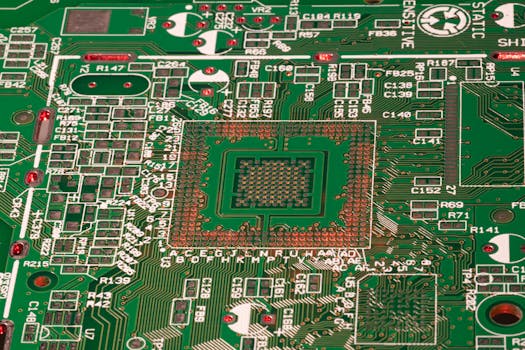
Designs and develops new electrical systems and equipment, often working more with the planning and theory side of electricity.

Specialises in maintaining and repairing wind turbines, which generate renewable electricity for the grid.
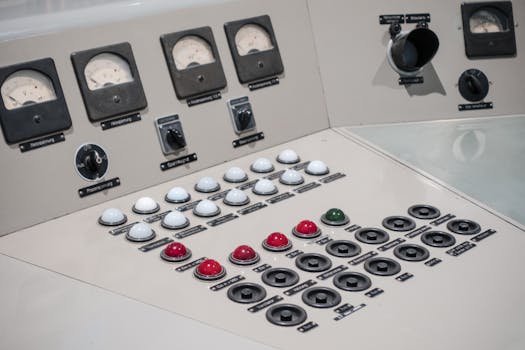
Monitors and controls the machinery in power stations that generate electricity before it even reaches the grid.
Explore relevant apprenticeships that can help you kickstart your career in Electrical Grid Technician. Apprenticeships offer hands-on experience and training while earning a wage.
This page showcases various career options and the pathways to reach them. Each career listed here shares transferable skills and knowledge, making it easier for individuals to transition between them.
Your current career is highlighted to help you see how it fits into the broader landscape of potential career choices. By clicking on any career, you can learn more about it, including the training and education required to pursue it.
Remember, progressing in your career often involves further learning and training. This page provides insights into future career options as well as those that can lead up to your current one.
These career progression decisions are informed by comparing the skills and knowledge needed for different occupations, along with data on how people move between them. Explore the possibilities and discover the exciting journey ahead in your career!
An Electrical Grid Technician primarily works with electrical power systems and infrastructure, which aligns closely with the duties of an Electrical Engineering Technician focused on designing, developing, testing, and maintaining electrical equipment and systems. While 'Electrician' is related, 'Electrical Engineering Technician' better captures the system-level understanding and technical responsibilities involved in managing a grid.
You can get into this job through:
You can do a foundation degree or higher national diploma in electrical and electronic engineering.
You'll usually need:
You can take a college course, which would teach you some of the skills needed for the job and may help you to find a trainee position with a company.
Relevant courses include:
Entry requirements for these courses vary.
4 or 5 GCSEs at grades 9 to 4 (A* to C), or equivalent, including English and maths for a T Level
You can apply to do an Engineering and Manufacturing Level 2 Foundation Apprenticeship.
You can also do a Level 3 Advanced Apprenticeship, such as:
You'll usually need:
You can apply directly for jobs if you have relevant experience and qualifications. For example, from electrical, electronic, power or building services engineering.
You can find out more about careers in electrical engineering through Tomorrow's Engineers and The Institution of Engineering and Technology.
Explore other careers or use our AI to discover personalised paths based on your interests.
Address
Developing Experts Limited
Exchange Street Buildings
35-37 Exchange Street
Norwich
NR2 1DP
UK
Phone
01603 273515
Email
[email protected]
Copyright 2026 Developing Experts, All rights reserved.

Unlock expert-designed lessons, resources, and assessments tailored for educators. No credit card required.
Claim Your Free Trial →