
You can do a foundation degree or higher national diploma in electrical and electronic engineering.
Entry requirements
You'll usually need:
- 1 or 2 A levels, or equivalent, for a foundation degree or higher national diploma
Imagine all the lights, TVs, and computers working in your home. An Electrical Grid Technician is like a superhero who makes sure all that electricity gets to where it needs to go safely! They work on the big network of power lines and equipment that brings electricity from power stations to homes and businesses all over the United Kingdom. Their job involves checking, fixing, and maintaining these important electrical systems. This means they might be working outdoors in all kinds of weather, climbing poles, or working inside special electrical substations. They have to be super careful and know a lot about electricity to keep everyone safe and the power running smoothly. It's a very important job that helps power our whole country.
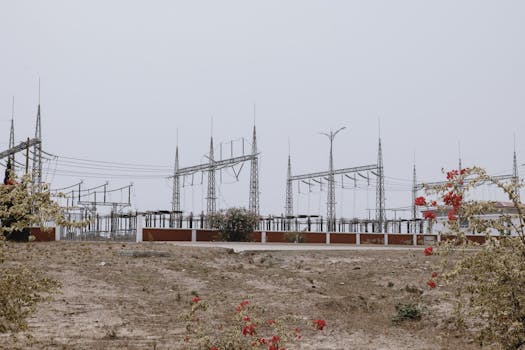
An Electrical Grid Technician starting out in the UK might earn around 25,000 to 30,000 pounds a year.
With more experience, an Electrical Grid Technician could earn between 35,000 to 45,000 pounds a year, and even more for very senior roles.
There are usually thousands of jobs related to electricity and power grids across the UK. This is a very important job, so there is always a need for skilled people.

Imagine a big, noisy place where electricity is made! A Power Station Helper makes sure everything runs smoothly, helping the grown-ups keep the machines clean and safe so our lights stay on.

Look up at those giant wind turbines! A Wind Turbine Builder's Mate helps put them together, making sure all the parts fit just right to catch the wind and make clean electricity for our homes.
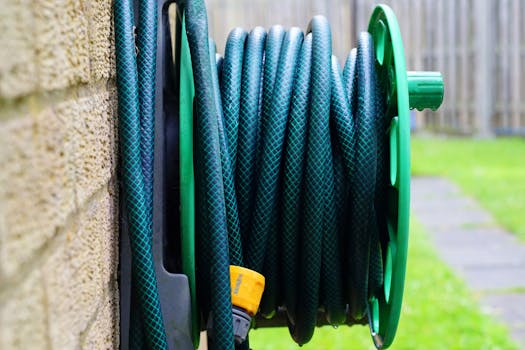
Have you ever wondered how electricity gets to your house? An Underground Cable Explorer helps find and check the hidden wires buried deep beneath the ground, making sure they are safe and working perfectly.
Pay attention in your science and maths lessons at school. You'll learn about electricity and how it works, which is really important for this job!
In school, you'll start to learn about how electricity makes things light up, move, and get warm. Understanding basic science like circuits and energy will give you a great head start. Maths helps you solve problems and measure things accurately, which is super useful when working with electrical equipment.
Ask adults how different electrical things around your house work, like the TV or a lamp. You could even build simple circuits with a grown-up!
Many everyday items use electricity. Ask your parents or teachers how a toaster heats bread or how a lamp lights up. You can also find fun, safe science kits that let you build simple electrical circuits with batteries, wires, and light bulbs. This helps you see electricity in action!
Learn why it's important to be careful around electricity and never touch plugs or wires without a grown-up. Safety is the most important thing!
Electricity can be very powerful, and it's super important to understand how to be safe around it. Always remember not to put fingers or other objects into plug sockets, and never touch broken wires. Always ask a grown-up for help if you see something that looks unsafe with electricity. Knowing about safety now will help you a lot later if you become an Electrical Grid Technician.
When you're older, choose subjects like Physics, Maths, and Design & Technology. These will teach you lots about how machines and electricity work.
In secondary school, these subjects will give you the important knowledge you need. Physics teaches you about electricity and how it behaves. Maths helps you with calculations and problem-solving. Design & Technology can help you understand how to build and fix things. These are all vital skills for an Electrical Grid Technician.
After secondary school, you might go to a college to learn special electrical skills or join an apprenticeship where you learn on the job.
Many Electrical Grid Technicians either go to a college to get a qualification in electrical engineering or a related field, or they join an apprenticeship. An apprenticeship is like a training programme where you work with experienced people and learn by doing the job, while also studying. Both paths teach you the detailed skills and safety knowledge you'll need.
Start to learn about different tools and how to use them safely, even simple ones like screwdrivers or spanners. You'll use lots of tools in this job!
An Electrical Grid Technician uses many special tools to fix and maintain electrical equipment. Getting familiar with basic hand tools like screwdrivers, spanners, and pliers is a great start. You can learn how to use them safely and correctly for small tasks around the house, always with a grown-up's supervision. This helps you develop practical skills.
Once you've finished your training or apprenticeship, you can apply for a job as a trainee or junior Electrical Grid Technician.
This is where all your hard work pays off! You'll start working with a team of experienced technicians. You'll continue to learn new things every day and gain practical experience in the field, helping to maintain and repair the electrical grid. You might start with simpler tasks and gradually take on more responsibility as you learn more.
The world of electricity is always changing, so you'll keep learning about new technologies and safety rules throughout your career.
Technology is always advancing, so Electrical Grid Technicians need to keep their knowledge up to date. You'll attend special courses and training sessions to learn about new equipment, safety procedures, and ways to make the electrical grid even better. This ensures you're always using the best and safest methods to do your job.
With experience, you'll become a skilled Electrical Grid Technician, helping to power homes and businesses all over the country.
As you gain more years of experience and learn from different challenges, you'll become a truly valuable member of the team. You might even help to train new technicians, share your knowledge, and take on more senior roles. Your work will be crucial in making sure everyone has access to safe and reliable electricity.
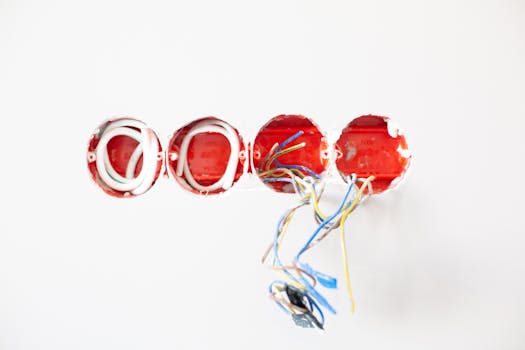
An Electrician works on the electrical wiring inside buildings, like homes, schools, or shops, making sure lights and plugs work.

This person looks after big wind turbines that make electricity from the wind. They climb up high to check and fix the giant blades and machines.
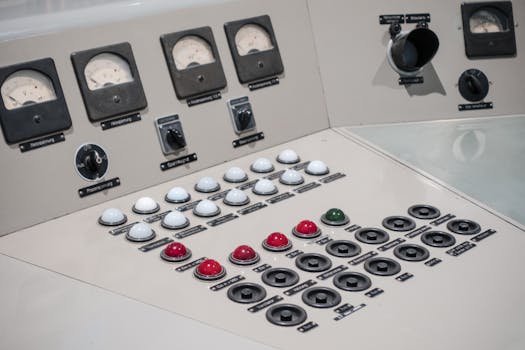
A Power Station Operator works at the place where electricity is made, making sure the big machines are working correctly to produce power for everyone.
Explore relevant apprenticeships that can help you kickstart your career in Electrical Grid Technician. Apprenticeships offer hands-on experience and training while earning a wage.
This page showcases various career options and the pathways to reach them. Each career listed here shares transferable skills and knowledge, making it easier for individuals to transition between them.
Your current career is highlighted to help you see how it fits into the broader landscape of potential career choices. By clicking on any career, you can learn more about it, including the training and education required to pursue it.
Remember, progressing in your career often involves further learning and training. This page provides insights into future career options as well as those that can lead up to your current one.
These career progression decisions are informed by comparing the skills and knowledge needed for different occupations, along with data on how people move between them. Explore the possibilities and discover the exciting journey ahead in your career!
An Electrical Grid Technician primarily works with electrical systems, power distribution, and grid infrastructure, which aligns closely with the responsibilities of an Electrical Engineering Technician focused on electrical systems and their operation, as opposed to general electricians or auto electricians.
You can get into this job through:
You can do a foundation degree or higher national diploma in electrical and electronic engineering.
You'll usually need:
You can take a college course, which would teach you some of the skills needed for the job and may help you to find a trainee position with a company.
Relevant courses include:
Entry requirements for these courses vary.
4 or 5 GCSEs at grades 9 to 4 (A* to C), or equivalent, including English and maths for a T Level
You can apply to do an Engineering and Manufacturing Level 2 Foundation Apprenticeship.
You can also do a Level 3 Advanced Apprenticeship, such as:
You'll usually need:
You can apply directly for jobs if you have relevant experience and qualifications. For example, from electrical, electronic, power or building services engineering.
You can find out more about careers in electrical engineering through Tomorrow's Engineers and The Institution of Engineering and Technology.
Explore other careers or use our AI to discover personalised paths based on your interests.
Address
Developing Experts Limited
Exchange Street Buildings
35-37 Exchange Street
Norwich
NR2 1DP
UK
Phone
01603 273515
Email
[email protected]
Copyright 2026 Developing Experts, All rights reserved.

Unlock expert-designed lessons, resources, and assessments tailored for educators. No credit card required.
Claim Your Free Trial →