


Creating Career Path...

Finding Further Careers...

Engineering Design Technician

View this career for different education levels:

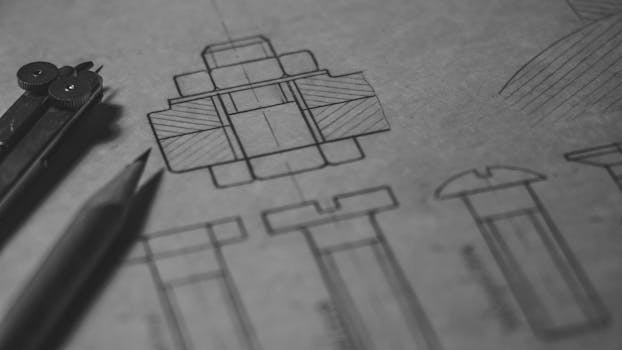
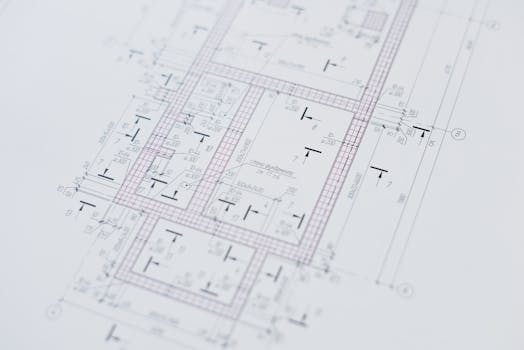
As an Engineering Design Technician in the UK, you play a crucial role in bringing engineering concepts to life. You'll typically work alongside engineers, using computer aided design (CAD) software to create detailed drawings, plans, and models for a wide range of products, structures, or systems. This could involve anything from designing components for aircraft or cars, planning the layout of a new building, to developing intricate electrical circuits. Your daily tasks might include interpreting design specifications, producing 2D and 3D drawings, performing calculations, collaborating with production teams, and ensuring designs comply with industry standards and safety regulations. You'll need a keen eye for detail, strong technical drawing skills, and a good understanding of engineering principles. This career path offers opportunities across various sectors, including manufacturing, construction, aerospace, automotive, and renewable energy. It often involves problem solving and continuous learning as you adapt to new technologies and design software. While some roles might be more focused on drafting, others could involve more complex design work, analysis, and contributing to the overall design process from concept through to completion. It's a hands-on technical role that bridges the gap between theoretical engineering and practical application.

Engineering Design Technician

Flag Media

Please select a reason for flagging this content.

📊 Statistics

Average Salary Range

In the UK, the starting salary for an Engineering Design Technician can typically range from 20,000 to 25,000 pounds. With experience, this can rise to between 30,000 and 40,000 pounds, with senior roles potentially exceeding 45,000 pounds annually, depending on industry and location.

Job Market Trends

The engineering sector in the UK generally shows consistent demand for skilled technicians. While specific numbers for 'Design Technicians' alone are hard to isolate, the broader 'Engineering Technicians' category saw over 170,000 people employed across various industries in the UK in recent years, with a steady need for new talent due to technological advancements and infrastructure projects.

Entry Level Qualifications

Most Engineering Design Technician roles in the UK require a relevant Level 3 qualification (such as a BTEC National Diploma in Engineering) or a Level 4/5 qualification like an HNC/HND or Foundation Degree in Engineering. Apprenticeships are also a popular route, combining on-the-job training with academic study.

🚀 Careers in this path

Flag Media

Please select a reason for flagging this content.

CAD Technician

Specialises in creating detailed technical drawings and 3D models using Computer-Aided Design (CAD) software. This role often supports engineers in various industries like construction, manufacturing, and automotive, ensuring designs are accurately translated into plans for production or building.

Flag Media

Please select a reason for flagging this content.

Product Design Engineer

Focuses on the entire lifecycle of a product, from initial concept and ideation through to development, testing, and refinement. This involves considering usability, aesthetics, manufacturing processes, and cost-effectiveness, often with a strong emphasis on innovation and problem-solving.

Flag Media

Please select a reason for flagging this content.

Structural Engineering Technician

Works alongside structural engineers to design and analyse the structural integrity of buildings, bridges, and other large constructions. This involves preparing detailed drawings, calculations, and specifications for foundations, frameworks, and other load-bearing elements, ensuring safety and compliance with building regulations.

Build Your Foundational Skills

Achieve Relevant Qualifications

Start by securing qualifications that provide a strong foundation in engineering principles and technical drawing. This typically involves further education or vocational training.

For an Engineering Design Technician role, a BTEC Level 3 National Diploma or extended Diploma in Engineering is highly beneficial. Alternatively, a T-Level in Engineering or a relevant A-Level combination (e.g., Maths, Physics, Design and Technology) can set you on the right path. Consider a Higher National Certificate (HNC) or Higher National Diploma (HND) in Mechanical, Electrical, or Civil Engineering for a more advanced entry point. These qualifications will cover core engineering concepts, materials science, and introduction to CAD.

Master CAD Software

Develop proficiency in Computer-Aided Design (CAD) software, which is essential for creating technical drawings and models.

Hands-on experience with industry-standard CAD software such as AutoCAD, SolidWorks, Inventor, CATIA, or Revit is paramount. Many colleges and universities offer modules or dedicated courses in these programmes. Seek out online tutorials, complete personal projects, and consider taking vendor-specific certification exams to demonstrate your expertise. Understanding different types of CAD (2D drafting, 3D modelling, parametric design) will make you a more versatile candidate.

Understand Engineering Principles

Gain a solid grasp of fundamental engineering principles, materials, and manufacturing processes.

Beyond just knowing how to use software, you need to understand the 'why' behind the designs. This includes knowledge of mechanics, thermodynamics (depending on specialisation), material properties, manufacturing methods (e.g., machining, casting, additive manufacturing), and assembly processes. This understanding will enable you to create practical, efficient, and manufacturable designs, rather than just aesthetically pleasing ones. Your college courses will cover much of this, but independent reading and research are also highly valuable.

Gain Practical Experience

Undertake an Apprenticeship or Internship

Seek opportunities to gain real-world experience in an engineering or manufacturing environment.

An engineering apprenticeship (e.g., Level 3 or 4 Advanced or Higher Apprenticeship in Engineering Design) is an excellent route, combining work with structured learning. Many companies also offer internships or work experience placements. These opportunities allow you to apply your CAD skills, learn industry best practices, understand workflow processes, and build a professional network. You'll work alongside experienced technicians and engineers, gaining invaluable insights into daily operations and project demands.

Build a Portfolio of Work

Compile a collection of your best design projects to showcase your skills to potential employers.

Your portfolio should demonstrate your proficiency in various CAD software packages, your ability to create detailed 2D drawings and 3D models, and your understanding of engineering standards. Include academic projects, personal designs, and any work completed during apprenticeships or internships. For each project, briefly explain your role, the tools used, and the challenges overcome. A well-presented portfolio is a powerful tool to distinguish yourself from other candidates.

Network Professionally

Connect with professionals in the engineering and design sector to learn about opportunities and industry trends.

Attend industry events, career fairs, and webinars. Join professional bodies like the Institution of Engineering Designers (IED) or the Institution of Mechanical Engineers (IMechE) as a student member. Use platforms like LinkedIn to connect with engineers and recruiters. Networking can open doors to job opportunities, mentorship, and provide insights into specific industry demands and company cultures. Don't be afraid to reach out and ask for informational interviews.

Develop and Specialise

Pursue Further Specialisation

Identify areas of interest or industry demand and deepen your expertise in specific design disciplines.

As you gain experience, you might find yourself drawn to specific areas like product design, architectural design, automotive components, aerospace structures, or civil infrastructure. Specialising might involve learning advanced CAD techniques (e.g., surfacing, simulation, FEA), understanding specific industry regulations (e.g., ASME, ISO standards), or mastering niche software. Continuous learning through short courses, certifications, or even a part-time degree (e.g., BEng in Engineering) can support this specialisation.

Embrace New Technologies

Stay current with emerging technologies and advancements in engineering design and software.

The field of engineering design is constantly evolving with new software features, generative design tools, virtual reality (VR) for design review, and additive manufacturing techniques. Regularly read industry journals, attend workshops, and experiment with new tools. Being adaptable and proactive in learning new technologies will ensure your skills remain relevant and highly sought after in the job market, opening up opportunities in cutting-edge projects.

Advance into Senior Roles

Work towards taking on more responsibility, leading projects, or mentoring junior technicians.

With several years of experience and demonstrated expertise, you can progress to senior design technician roles, lead design projects, or even move into design engineering positions. This might involve managing CAD libraries, developing design standards, overseeing a team of junior technicians, or working more closely with R&D departments. Developing strong communication, project management, and problem-solving skills will be crucial for these leadership advancements. Consider professional registration with an engineering institution to gain CEng or IEng status.

🎬 Useful Videos

🎯 View Apprenticeships

Explore relevant apprenticeships that can help you kickstart your career in Engineering Design Technician. Apprenticeships offer hands-on experience and training while earning a wage.

Career Progressions

This page showcases various career options and the pathways to reach them. Each career listed here shares transferable skills and knowledge, making it easier for individuals to transition between them.

Your current career is highlighted to help you see how it fits into the broader landscape of potential career choices. By clicking on any career, you can learn more about it, including the training and education required to pursue it.

Remember, progressing in your career often involves further learning and training. This page provides insights into future career options as well as those that can lead up to your current one.

These career progression decisions are informed by comparing the skills and knowledge needed for different occupations, along with data on how people move between them. Explore the possibilities and discover the exciting journey ahead in your career!

Sample Qualifications

An Engineering Design Technician often focuses on creating detailed designs and plans, utilising CAD software, which closely aligns with the typical responsibilities of a Civil Engineering Technician in designing infrastructure and building projects. While 'CAD technician' is a tool-based role, 'Civil engineering technician' provides the contextual field for the design work.

How to become

You can get into this job through:

  • a university course
  • a college course
  • an apprenticeship

University

You could do a foundation degree or higher national diploma in civil engineering.

Entry requirements

You'll usually need:

  • 4 or 5 GCSEs at grades 9 to 4 (A* to C), or equivalent, including English, maths and science
  • 1 or 2 A levels, or equivalent, for a foundation degree or higher national diploma

More Information

College

You could do a college course that would teach you some of the skills needed to become a civil engineering technician.

Relevant courses include:

  • civil engineering
  • construction and the built environment
  • T Level in Design, Surveying and Planning for Construction

It might be useful to have some knowledge of computer-aided design (CAD) software like AutoCAD, PDS or Civil 3D. However, you'll usually learn how to use CAD software during your course.

Entry requirements

Entry requirements for these courses vary.

  • 4 or 5 GCSEs at grades 9 to 4 (A* to C), or equivalent, including English and maths for a T Level

More Information

Apprenticeship

You could apply for an apprenticeship, such as:

  • Civil Engineering Technician Level 3 Advanced Apprenticeship
  • Civil Engineering Senior Technician Level 4 Higher Apprenticeship

These usually take 3 years to complete as a mix of learning at work and study.

Entry requirements

You'll usually need:

  • 5 GCSEs at grades 9 to 4 (A* to C), or equivalent, including English and maths, for an advanced apprenticeship
  • 4 or 5 GCSEs at grades 9 to 4 (A* to C) and A levels, or equivalent, for a higher or degree apprenticeship

More Information

More Information

Registration

Professional and industry bodies

You can join the Institution of Civil Engineers (ICE) for professional development opportunities.

Further information

You can find more advice about careers in civil engineering from the Institution of Civil Engineers (ICE).

Interested in More Career Paths?

Explore other careers or use our AI to discover personalised paths based on your interests.

Stay connected

Join our newsletter to stay up to date on features and releases

Address
Developing Experts Limited
Exchange Street Buildings
35-37 Exchange Street
Norwich
NR2 1DP
UK

Phone
01603 273515

Email
[email protected]

Copyright 2026 Developing Experts, All rights reserved.