




Creating Career Path...

Finding Further Careers...

Engineering Design Technician

View this career for different education levels:

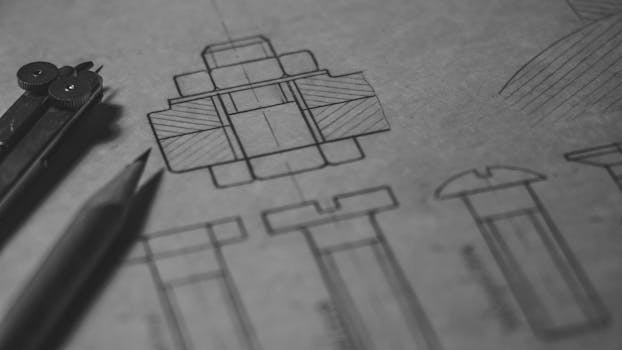
Imagine you want to build a really cool new roller coaster or a super-fast train. Before anyone can start building it, someone needs to draw out exactly what it will look like and how all the parts fit together. That's what an Engineering Design Technician does! They use computers and special software, like giant digital sketchbooks, to create detailed plans and drawings for all sorts of things, from bridges and buildings to cars and robots. They work closely with engineers to turn big ideas into clear, step-by-step instructions that builders and manufacturers can follow. It's a bit like being an architect, but for all kinds of amazing machines and structures, making sure everything is just right and safe. An Engineering Design Technician has to be very good at problem-solving and paying attention to tiny details. They might help design new parts, update old drawings, or even make 3D models on their computer to see how things will look from every angle. They help make sure that when a new toy, gadget, or building is made, it works perfectly and is strong enough to last. They are super important for making sure that all the fantastic inventions and structures we see around us can actually be built!

Engineering Design Technician

Flag Media

Please select a reason for flagging this content.

📊 Statistics

Starting Salary

A new Engineering Design Technician in the UK might start with a salary around 20,000 to 25,000 pounds per year.

Experienced Salary

With more experience, an Engineering Design Technician can earn between 30,000 to 45,000 pounds per year, and sometimes even more.

Job Openings

There are usually hundreds of job openings for Engineering Design Technicians across the UK at any time, as many different industries need these skills.

🚀 Careers in this path

Flag Media

Please select a reason for flagging this content.

Lego Engineer

Imagine you design amazing things using Lego bricks! A Lego Engineer plans and builds all sorts of models, from houses to spaceships, making sure they are strong and fun to play with.

Flag Media

Please select a reason for flagging this content.

Bridge Builder

A Bridge Builder designs and helps construct bridges that cars, trains, and people can use to cross over rivers or roads. They need to think about how to make the bridge super strong and safe.

Flag Media

Please select a reason for flagging this content.

Theme Park Ride Designer

This is a super fun job! A Theme Park Ride Designer dreams up and plans exciting rollercoasters and other rides for theme parks. They work out how to make them thrilling and totally safe for everyone.

Learning the Basics

Enjoying School Subjects

At school, pay attention in lessons like Maths, Science, and Design and Technology. These subjects help you understand how things work and how to plan them.

Maths helps you with measurements and shapes, which are super important for designing things correctly. Science teaches you about materials and forces, so you know why things stand up or how they move. Design and Technology is fantastic for letting you try out designing and making your own projects, which gives you practical experience.

Exploring Drawing and Computers

Start drawing your own ideas for buildings, vehicles, or robots. Also, try using drawing programs on a computer if you can. This helps you get good at creating designs.

Many Engineering Design Technicians use special computer programs called CAD (Computer-Aided Design) to make their drawings. Getting comfortable with any drawing software now, even simple ones, will give you a head start. Drawing by hand is also brilliant for developing your creativity and understanding how to put ideas onto paper.

Building and Taking Apart Things

Try building models with Lego, K'nex, or other construction toys. See if you can take apart old toys (with an adult's help!) to understand how they work inside.

Building things with your hands teaches you about structure, balance, and how different parts fit together. Taking things apart is like being a detective for how machines are made. This 'hands-on' learning is really valuable for understanding the practical side of design and what makes things sturdy and functional.

Getting Specific Skills

Choosing College Courses

When you're older, you might choose to study subjects like Engineering, Construction, or Product Design at college. These courses teach you special skills for designing.

Look for courses that offer practical design projects and teach you how to use professional design software like AutoCAD or SolidWorks. Colleges often have workshops and equipment where you can learn by doing, which is super helpful for becoming a great technician. Talking to a career advisor at school can help you pick the best path.

Learning CAD Software

Engineering Design Technicians use special computer programs called CAD. Learning how to use these programs is a very important skill.

Many colleges offer courses specifically on CAD software. Sometimes, you can even find online tutorials or free versions of basic design software to practice with at home. The more comfortable you are with these tools, the better prepared you'll be for a job in design. Employers always look for people who know their way around CAD.

Understanding Different Materials

Learn about different materials like wood, metal, and plastic. Knowing what materials are best for different designs helps you make smart choices.

Understanding material properties means knowing if a material is strong, light, flexible, or heat-resistant. This knowledge is crucial for designing things that are safe, durable, and cost-effective. For example, you wouldn't use wood for a car engine part, but it's great for furniture! Your Design and Technology lessons will cover some of this.

Starting Your Career

Finding an Apprenticeship

An apprenticeship lets you learn on the job while also studying. It's a great way to start working as an Engineering Design Technician and get paid too!

Apprenticeships are a brilliant way to gain real-world experience. You'll work alongside experienced professionals, learning directly from them, and often attend college one day a week to get a qualification. Many engineering companies offer apprenticeships for design technicians, so keep an eye out for these opportunities when you're older.

Getting Your First Job

After your training, you can look for jobs as a Junior Engineering Design Technician. You might help senior designers with their projects and learn even more.

Your first job will be a chance to put everything you've learned into practice. You might start by doing smaller tasks or assisting on larger projects, gradually taking on more responsibility. Companies might work on anything from designing parts for aeroplanes to planning new roads, so you can pick a job that interests you most!

Keeping Learning New Things

The world of design is always changing. Keep learning new computer programs and design ideas to become even better at your job.

Technology is always advancing, and new design tools and methods come out all the time. Staying curious and regularly updating your skills will help you progress in your career. Attending workshops, reading industry magazines, and even taking advanced courses can help you become a top Engineering Design Technician.

🎬 Useful Videos

🎯 View Apprenticeships

Explore relevant apprenticeships that can help you kickstart your career in Engineering Design Technician. Apprenticeships offer hands-on experience and training while earning a wage.

Career Progressions

This page showcases various career options and the pathways to reach them. Each career listed here shares transferable skills and knowledge, making it easier for individuals to transition between them.

Your current career is highlighted to help you see how it fits into the broader landscape of potential career choices. By clicking on any career, you can learn more about it, including the training and education required to pursue it.

Remember, progressing in your career often involves further learning and training. This page provides insights into future career options as well as those that can lead up to your current one.

These career progression decisions are informed by comparing the skills and knowledge needed for different occupations, along with data on how people move between them. Explore the possibilities and discover the exciting journey ahead in your career!

Sample Qualifications

An Engineering Design Technician often focuses on creating detailed designs and plans, utilising CAD software, which aligns closely with the responsibilities of a Civil Engineering Technician who typically assists engineers in designing and planning infrastructure projects.

How to become

You can get into this job through:

  • a university course
  • a college course
  • an apprenticeship

University

You could do a foundation degree or higher national diploma in civil engineering.

Entry requirements

You'll usually need:

  • 4 or 5 GCSEs at grades 9 to 4 (A* to C), or equivalent, including English, maths and science
  • 1 or 2 A levels, or equivalent, for a foundation degree or higher national diploma

More Information

College

You could do a college course that would teach you some of the skills needed to become a civil engineering technician.

Relevant courses include:

  • civil engineering
  • construction and the built environment
  • T Level in Design, Surveying and Planning for Construction

It might be useful to have some knowledge of computer-aided design (CAD) software like AutoCAD, PDS or Civil 3D. However, you'll usually learn how to use CAD software during your course.

Entry requirements

Entry requirements for these courses vary.

  • 4 or 5 GCSEs at grades 9 to 4 (A* to C), or equivalent, including English and maths for a T Level

More Information

Apprenticeship

You could apply for an apprenticeship, such as:

  • Civil Engineering Technician Level 3 Advanced Apprenticeship
  • Civil Engineering Senior Technician Level 4 Higher Apprenticeship

These usually take 3 years to complete as a mix of learning at work and study.

Entry requirements

You'll usually need:

  • 5 GCSEs at grades 9 to 4 (A* to C), or equivalent, including English and maths, for an advanced apprenticeship
  • 4 or 5 GCSEs at grades 9 to 4 (A* to C) and A levels, or equivalent, for a higher or degree apprenticeship

More Information

More Information

Registration

Professional and industry bodies

You can join the Institution of Civil Engineers (ICE) for professional development opportunities.

Further information

You can find more advice about careers in civil engineering from the Institution of Civil Engineers (ICE).

Interested in More Career Paths?

Explore other careers or use our AI to discover personalised paths based on your interests.

Stay connected

Join our newsletter to stay up to date on features and releases

Address
Developing Experts Limited
Exchange Street Buildings
35-37 Exchange Street
Norwich
NR2 1DP
UK

Phone
01603 273515

Email
[email protected]

Copyright 2026 Developing Experts, All rights reserved.