

Creating Career Path...

Finding Further Careers...

Ventilation Installer

View this career for different education levels:

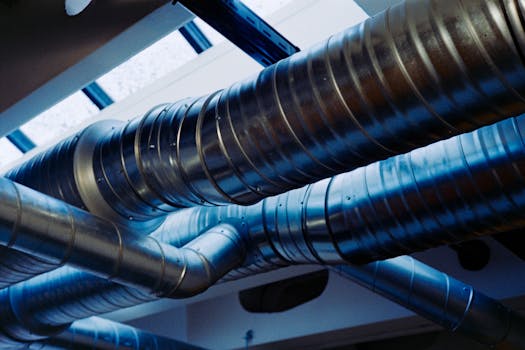
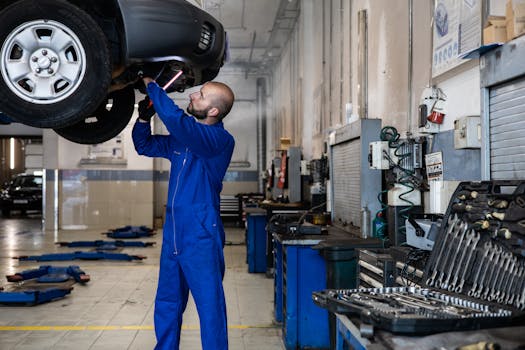
Imagine a building where the air always feels fresh, not stuffy or too hot or cold. That's thanks to people like Ventilation Installers! They are the skilled workers who put together and fit the systems that bring fresh air into buildings and take stale air out. This isn't just about comfort; it's also really important for health, safety, and making sure places like schools, hospitals, offices, and even big shops have good air to breathe. They work with pipes called ducts, fans, and special filters, often reading technical drawings or plans to make sure everything goes in the right place and works perfectly. Being a Ventilation Installer means you'll often be working on construction sites, fitting these systems into new buildings, or sometimes upgrading them in older ones. You'll learn how to use different tools, how to measure accurately, and how to work safely at heights. It's a hands-on job that requires you to be good at solving problems and working as part of a team. You might start as an apprentice, learning on the job while also studying at college, which is a great way to gain skills and qualifications at the same time.

Ventilation Installer

Flag Media

Please select a reason for flagging this content.

📊 Statistics

Average Starting Salary

A new Ventilation Installer in the UK might expect to earn around 20,000 to 25,000 pounds per year.

Experienced Salary Range

With more experience, a Ventilation Installer can earn between 30,000 and 40,000 pounds annually, and even more for highly skilled or supervisory roles.

Job Outlook

The construction and building services sector in the UK generally has a steady demand for skilled tradespeople like Ventilation Installers, as good air quality is important in all new and old buildings.

🚀 Careers in this path

Flag Media

Please select a reason for flagging this content.

Ductwork Fitter

A Ductwork Fitter makes and installs the metal tubes (called ducts) that carry fresh air into buildings and stale air out. It's like building the air-delivery system for a house or office.

Flag Media

Please select a reason for flagging this content.

Air Conditioning Engineer Assistant

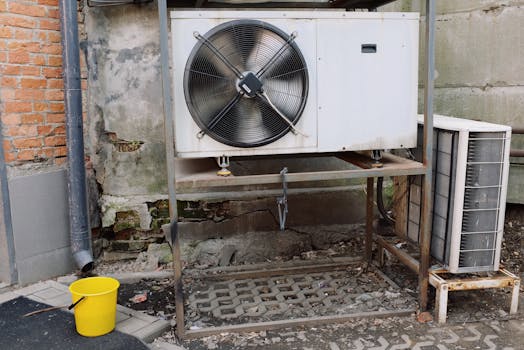
An Air Conditioning Engineer Assistant helps install and fix air conditioning systems, which are a type of ventilation. You'd learn how to make sure rooms are cool and comfy, especially in hot weather.

Flag Media

Please select a reason for flagging this content.

Heating and Ventilation Installer

A Heating and Ventilation Installer fits systems that both warm up and bring fresh air into buildings. You'd be involved in making sure homes and schools are warm in winter and have good air all year round.

Learn the Basics at School

Focus on Design & Technology and Maths

These subjects will give you a great head start! Design & Technology helps you understand how things are built and put together, while Maths is crucial for measurements and calculations.

Understanding spatial reasoning from Design & Technology lessons will be really helpful when you need to figure out where ducts and vents will fit in a building. Maths, especially geometry and basic algebra, is used for calculating measurements, angles, and airflow rates to ensure the ventilation system works efficiently and correctly.

Explore Practical Skills

See if your school offers any workshops or clubs where you can learn practical skills like woodwork or metalwork. This will get you used to using tools and building things.

Any experience you can get using your hands to build or fix things will be valuable. This could be through school projects, a youth club, or even helping out with DIY at home. It helps you develop dexterity, problem-solving skills, and a familiarity with different materials and tools.

Research the Role

Find out more about what a Ventilation Installer actually does day-to-day. Look up videos or articles online to see what the job involves.

Understanding the day-to-day tasks will help you decide if this career is a good fit for you. You can look for videos on YouTube showing ventilation systems being installed, or read about the different types of equipment and tools used. Many construction companies and industry bodies have websites with career information.

Gain Qualifications and Training

Consider a College Course

After your GCSEs, you could look into a college course in plumbing, heating, and ventilation (PHV) or building services engineering. These courses teach you the theory and practical skills needed.

Level 2 or 3 courses, such as a BTEC or City & Guilds qualification, can provide a solid foundation. These programmes often cover areas like health and safety in construction, installation techniques, maintenance of ventilation systems, and interpreting technical drawings. It's a structured way to learn the ropes before entering the workplace.

Apply for an Apprenticeship

An apprenticeship is a fantastic way to learn on the job! You'll work alongside experienced installers, earn a wage, and study for a qualification at the same time.

Look for apprenticeships in 'heating, ventilation, air conditioning and refrigeration (HVACR)' or 'building services engineering'. You'll learn practical skills such as cutting and fitting ducts, installing fans, and connecting control systems, all while gaining valuable industry experience and a recognised qualification, typically a Level 2 or 3 NVQ.

Get Health and Safety Certified

You'll need a CSCS card to work on most construction sites in the UK. This shows you've passed a health and safety test and understand how to stay safe.

The Construction Skills Certification Scheme (CSCS) card is essential for anyone working on a construction site. You'll need to pass the CITB Health, Safety and Environment Test. This ensures you understand the risks involved in construction and how to mitigate them, keeping yourself and others safe.

Start Your Career and Grow

Work as a Trainee Installer

Start as a trainee or junior installer, continuing to learn from your team members. This is where you put all your training into practice on real projects.

As a trainee, you'll assist qualified installers with various tasks, from carrying materials and preparing equipment to helping with the actual installation of ductwork and components. This hands-on experience is crucial for developing your speed, accuracy, and problem-solving skills in a live working environment.

Develop Your Skills and Specialise

Once you have experience, you can learn more advanced techniques. You might specialise in certain types of ventilation systems, like those for hospitals or large industrial buildings.

Continued professional development is key. This could involve taking advanced courses in specific ventilation technologies, understanding complex control systems, or learning about energy efficiency standards. Specialising can open up opportunities for more complex and higher-paying projects.

Become a Team Leader or Supervisor

With several years of experience, you could move into a role where you lead a team of installers, manage projects, and train new apprentices.

Moving into a supervisory role involves not only excellent technical skills but also strong leadership and communication abilities. You'll be responsible for overseeing projects, ensuring deadlines are met, maintaining quality control, and mentoring junior staff, playing a vital role in the success of installation projects.

🎬 Useful Videos

🎯 View Apprenticeships

Explore relevant apprenticeships that can help you kickstart your career in Ventilation Installer. Apprenticeships offer hands-on experience and training while earning a wage.

Career Progressions

This page showcases various career options and the pathways to reach them. Each career listed here shares transferable skills and knowledge, making it easier for individuals to transition between them.

Your current career is highlighted to help you see how it fits into the broader landscape of potential career choices. By clicking on any career, you can learn more about it, including the training and education required to pursue it.

Remember, progressing in your career often involves further learning and training. This page provides insights into future career options as well as those that can lead up to your current one.

These career progression decisions are informed by comparing the skills and knowledge needed for different occupations, along with data on how people move between them. Explore the possibilities and discover the exciting journey ahead in your career!

Sample Qualifications

A Ventilation Installer's primary role involves fitting ventilation systems, which directly aligns with the duties of a Heating and ventilation engineer, particularly concerning the 'ventilation' aspect of their work.

How to become

You can get into this job through:

  • a college course
  • an apprenticeship
  • applying directly

College

You can take a college course to learn some of the skills needed to get a trainee engineer job. 

Courses include:

  • plumbing and heating
  • building services engineering
  • T Level in Building Services Engineering for Construction

Entry requirements

Entry requirements for these courses vary.

  • 4 or 5 GCSEs at grades 9 to 4 (A* to C), or equivalent, including English and maths for a T Level

More Information

Apprenticeship

You can get into this job by applying to do an apprenticeship. Examples include:

  • Building Services Engineering Level 2 Foundation Apprenticeship
  • Building Services Engineering Installer Level 2 Intermediate Apprenticeship
  • Building Services Engineering Craftsperson Level 3 Advanced Apprenticeship

Foundation apprenticeship

You can apply for a foundation apprenticeship if you're aged 16 to 21.

If you're aged 22 to 24, you can apply if you:

Entry requirements

You'll usually need:

  • no specific qualifications or experience to apply for a foundation apprenticeship
  • some GCSEs, usually including English and maths, or equivalent, for an intermediate apprenticeship
  • 5 GCSEs at grades 9 to 4 (A* to C), or equivalent, including English and maths, for an advanced apprenticeship

More Information

Direct Application

You may be able to apply directly for jobs if you have qualifications and experience in building services engineering or plumbing.

More Information

Professional and industry bodies

You can join the Chartered Institute of Plumbing and Heating Engineering for professional development training and industry news.

Further information

You can get more advice about careers in heating and ventilation engineering from:

Interested in More Career Paths?

Explore other careers or use our AI to discover personalised paths based on your interests.

Stay connected

Join our newsletter to stay up to date on features and releases

Address
Developing Experts Limited
Exchange Street Buildings
35-37 Exchange Street
Norwich
NR2 1DP
UK

Phone
01603 273515

Email
[email protected]

Copyright 2026 Developing Experts, All rights reserved.