Creating Career Path...

Finding Further Careers...

Ventilation Installer

View this career for different education levels:

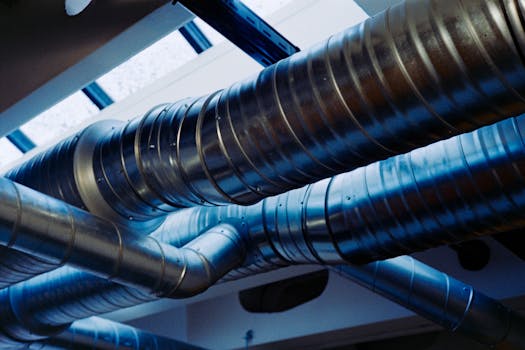
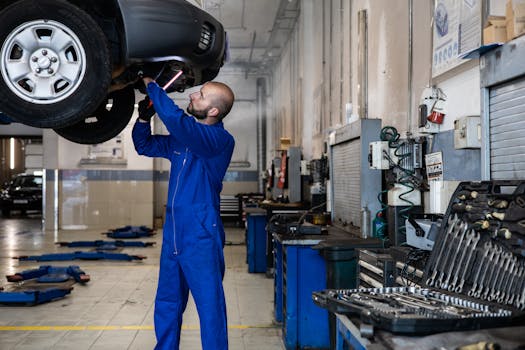
Imagine you live in a house where the air is always fresh, not too hot and not too cold. That's thanks to people like Ventilation Installers! A Ventilation Installer is like a superhero for fresh air in buildings. They are the clever people who put together and fit all the parts of special systems that bring clean, fresh air into places like schools, hospitals, shops, and our homes, and take out the old, stale air. They work with pipes, fans, and boxes that help the air move around, making sure everyone can breathe easily and comfortably. They read plans, measure things very carefully, and use tools to make sure everything fits perfectly and works just right, a bit like building with very big and important LEGO bricks! Their job is super important because good ventilation stops buildings from feeling stuffy, too hot, or too cold. It also helps to keep us healthy by making sure we're breathing clean air. They might work in lots of different places, from busy city buildings to brand-new houses being built in the countryside. It's a hands-on job, which means they use their hands a lot to fix things, lift parts, and make sure all the air ducts and vents are in the right place. They also check their work to make sure the air flows smoothly, so everyone inside can enjoy fresh air all the time.

Ventilation Installer

Flag Media

Please select a reason for flagging this content.

📊 Statistics

Starting Salary

A new Ventilation Installer in the UK might start by earning around 20,000 to 24,000 pounds a year. This is like pocket money for grown-ups who are just learning the job!

Experienced Salary

When you have more experience and know lots about installing ventilation, you could earn between 30,000 and 40,000 pounds a year. Some very experienced people might earn even more, especially if they are in charge of big projects.

Job Availability

There are always jobs for Ventilation Installers in the UK. Many new buildings like homes, schools, and hospitals need good ventilation systems, so these jobs are quite steady. It's a growing area as we want our buildings to be healthy places to be.

🚀 Careers in this path

Flag Media

Please select a reason for flagging this content.

Ductwork Engineer

Imagine you're building a network of tunnels for air to travel through in big buildings. A Ductwork Engineer designs and installs these special air tunnels, making sure everyone has fresh air to breathe or cool air when it's hot.

Flag Media

Please select a reason for flagging this content.

Air Conditioning Technician

When it's super hot outside, someone needs to make sure the air conditioning keeps places cool and comfy! An Air Conditioning Technician helps install and fix the machines that blow cool air, so people can stay nice and fresh.

Flag Media

Please select a reason for flagging this content.

Heating Engineer

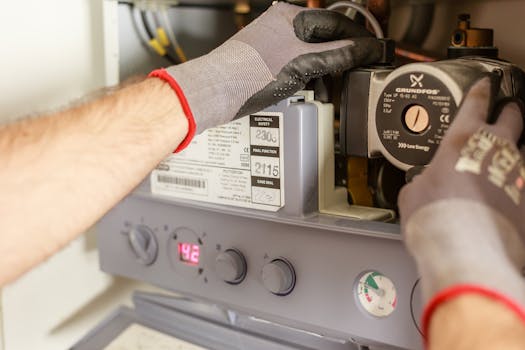
When it's chilly, we need warm air to keep us cosy! A Heating Engineer helps put in and look after the special machines that make warm air and send it around buildings, keeping everyone toasty.

Learning About Air

Be Curious About How Things Work

Start by asking 'how does that work?' when you see air vents or fans. Notice how air moves around your home and school.

Pay attention to the grilles on walls or ceilings, and fans in bathrooms or kitchens. Think about why they are there and what they do. You could even draw pictures of how you imagine the air moving in and out of a room. This helps you start thinking like an engineer!

Build With Your Hands

Enjoy building things with LEGO, blocks, or even paper. This helps you get good at putting pieces together, just like an installer!

Practising building things helps you understand shapes, sizes, and how different parts fit. You could try building a mini 'air pipe' system with cardboard tubes or even playdough. This is great for developing your spatial awareness and problem-solving skills.

Learn About Tools (Safely!)

Ask a grown-up to show you simple tools like a tape measure or a screwdriver and how they are used safely. Never touch real tools without an adult!

Understanding what different tools are for and how to use them correctly is a big part of being a ventilation installer. Your grown-up could show you how a tape measure helps to get things the right size, or how a screwdriver can fasten things together. Always remember that safety comes first when it comes to tools!

Growing Your Skills

Do Well in Maths and Science

Paying attention in maths helps you measure things, and science teaches you about air and how it moves, which is super important for this job.

In maths, learning about measurements like metres and centimetres will be very useful for cutting and fitting ventilation pipes. In science, you'll learn about air pressure, temperature, and how things are put together. These subjects give you the clever brain tools you'll need!

Join a Craft or Tech Club

If your school has clubs where you can build things, fix electronics, or do woodwork, join them! It's like practice for your future job.

These clubs are fantastic for getting hands-on experience and learning how to follow instructions, work with different materials, and solve practical problems. You might learn how to join pieces of wood, understand simple circuits, or even make a small project that involves moving air, like a miniature fan-powered car.

Learn About Safety

Always follow rules to stay safe, whether at school or when helping grown-ups. Ventilation installers always have to be careful!

Safety is incredibly important in construction. Learning to look out for dangers, wear protective gear like helmets or gloves (when appropriate and supervised), and understand instructions for safe working will keep you and others protected. This mindful approach to safety starts now by listening to your teachers and parents.

Becoming an Expert

Do a College Course

After school, you can go to a college to learn all about installing ventilation systems. They teach you everything you need to know.

You would typically look for a college course like an 'NVQ Level 2 or 3 in Heating and Ventilation' or a 'T Level in Building Services Engineering'. These courses teach you how to design, install, maintain, and repair different types of ventilation systems, covering health and safety, different materials, and how to use specialist tools.

Do an Apprenticeship

An apprenticeship is like learning on the job. You work with expert installers and they teach you while you get paid a little bit.

This is a brilliant way to become a Ventilation Installer! You'd spend time working with experienced professionals, learning practical skills like cutting and fitting ductwork, installing fans, and using power tools safely. You'd also usually go to college one day a week to get your qualifications, combining real-world experience with classroom learning.

Get Your CSCS Card

To work on big building sites in the UK, you'll need a special card called a CSCS card, which shows you know how to be safe.

The CSCS (Construction Skills Certification Scheme) card is essential for almost anyone working on a construction site. To get it, you usually need to pass a health, safety, and environment test. It proves you understand basic safety rules and can work responsibly on site, which is very important for a Ventilation Installer.

🎬 Useful Videos

🎯 View Apprenticeships

Explore relevant apprenticeships that can help you kickstart your career in Ventilation Installer. Apprenticeships offer hands-on experience and training while earning a wage.

Career Progressions

This page showcases various career options and the pathways to reach them. Each career listed here shares transferable skills and knowledge, making it easier for individuals to transition between them.

Your current career is highlighted to help you see how it fits into the broader landscape of potential career choices. By clicking on any career, you can learn more about it, including the training and education required to pursue it.

Remember, progressing in your career often involves further learning and training. This page provides insights into future career options as well as those that can lead up to your current one.

These career progression decisions are informed by comparing the skills and knowledge needed for different occupations, along with data on how people move between them. Explore the possibilities and discover the exciting journey ahead in your career!

Sample Qualifications

A Ventilation Installer's primary role involves installing ventilation systems, which directly aligns with the duties of a Heating and ventilation engineer, encompassing the installation and maintenance of HVAC systems.

How to become

You can get into this job through:

  • a college course
  • an apprenticeship
  • applying directly

College

You can take a college course to learn some of the skills needed to get a trainee engineer job. 

Courses include:

  • plumbing and heating
  • building services engineering
  • T Level in Building Services Engineering for Construction

Entry requirements

Entry requirements for these courses vary.

  • 4 or 5 GCSEs at grades 9 to 4 (A* to C), or equivalent, including English and maths for a T Level

More Information

Apprenticeship

You can get into this job by applying to do an apprenticeship. Examples include:

  • Building Services Engineering Level 2 Foundation Apprenticeship
  • Building Services Engineering Installer Level 2 Intermediate Apprenticeship
  • Building Services Engineering Craftsperson Level 3 Advanced Apprenticeship

Foundation apprenticeship

You can apply for a foundation apprenticeship if you're aged 16 to 21.

If you're aged 22 to 24, you can apply if you:

Entry requirements

You'll usually need:

  • no specific qualifications or experience to apply for a foundation apprenticeship
  • some GCSEs, usually including English and maths, or equivalent, for an intermediate apprenticeship
  • 5 GCSEs at grades 9 to 4 (A* to C), or equivalent, including English and maths, for an advanced apprenticeship

More Information

Direct Application

You may be able to apply directly for jobs if you have qualifications and experience in building services engineering or plumbing.

More Information

Professional and industry bodies

You can join the Chartered Institute of Plumbing and Heating Engineering for professional development training and industry news.

Further information

You can get more advice about careers in heating and ventilation engineering from:

Interested in More Career Paths?

Explore other careers or use our AI to discover personalised paths based on your interests.

Stay connected

Join our newsletter to stay up to date on features and releases

Address
Developing Experts Limited
Exchange Street Buildings
35-37 Exchange Street
Norwich
NR2 1DP
UK

Phone
01603 273515

Email
[email protected]

Copyright 2026 Developing Experts, All rights reserved.