
Creating Career Path...

Finding Further Careers...

Marine Geographer

View this career for different education levels:

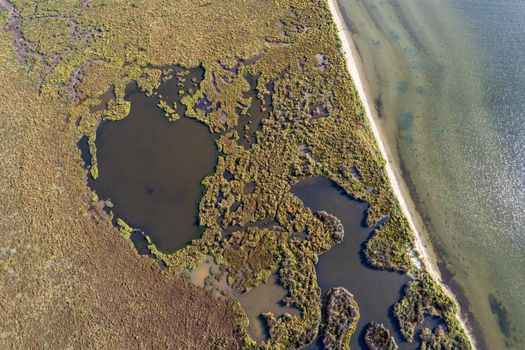
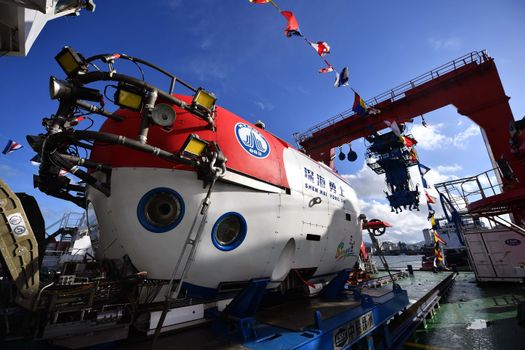
A Marine Geographer in the UK investigates the physical processes and features of oceans, coastlines, and marine environments. This fascinating field blends geography, oceanography, and environmental science to understand how the marine world works and how it interacts with human activities. You'd be involved in researching seabed mapping, coastal erosion, sediment transport, sea-level change, and the impact of climate change on marine ecosystems. The work often involves collecting and analysing data using advanced technologies such as Geographic Information Systems (GIS), remote sensing, and hydrographic surveys. Projects might range from assessing the environmental impact of offshore wind farms, managing coastal flood defences, to studying the distribution of marine habitats. It's a role that often combines office-based data analysis and report writing with exciting fieldwork on research vessels, along coastlines, or in laboratories. Strong analytical skills, a good understanding of spatial data, and a passion for the marine environment are essential for this career.

Marine Geographer

Flag Media

Please select a reason for flagging this content.

📊 Statistics

Salary Range

Starting salaries for marine geographers in the UK can be around 22,000 to 28,000, rising to 35,000 to 50,000 for experienced professionals. Senior or specialised roles could command higher salaries, exceeding 60,000.

Job Market Outlook

While not a high-volume career, the demand for marine geographers in the UK is steady, particularly in environmental consultancy, offshore energy, and governmental bodies. Around 300-500 job postings per year might be observed across various platforms for marine science and geography related roles, with a subset specifically for marine geographers.

Typical Work Week

A marine geographer typically works a standard 37-40 hour week. However, fieldwork can involve irregular hours, including evenings and weekends, and may require extended periods away from home, potentially up to 20-30% of their working time depending on the project.

🚀 Careers in this path

Flag Media

Please select a reason for flagging this content.

Coastal Zone Manager

Focuses on the sustainable management of coastal areas, dealing with issues like erosion, sea-level rise, conservation, and development. Often involves fieldwork, policy development, and stakeholder engagement.

Flag Media

Please select a reason for flagging this content.

Hydrographic Surveyor

Specialises in measuring and mapping the seabed and coastal areas for navigation, engineering, and resource exploration. Uses advanced sonar and GPS technologies to create detailed charts and models.

Flag Media

Please select a reason for flagging this content.

Oceanographic Data Scientist

Collects, analyses, and interprets large datasets related to marine environments, including ocean currents, temperatures, salinity, and biodiversity. Uses computational tools and statistical methods to understand ocean processes and predict changes.

Foundation and Education

Gain a Relevant Degree

Obtain an undergraduate degree in a subject like Geography, Marine Science, Oceanography, Environmental Science, or Earth Sciences.

Many universities in the UK offer specialised courses that will provide a strong foundation. Look for programmes accredited by relevant professional bodies or those with a strong emphasis on quantitative skills, fieldwork, and geospatial technologies. Consider modules in GIS, remote sensing, oceanography, coastal processes, and statistics. A good honours degree (2:1 or above) is often preferred for postgraduate study or entry-level positions.

Develop Core Skills

Cultivate essential skills in data analysis, geographical information systems (GIS), remote sensing, and fieldwork techniques.

During your degree, actively seek opportunities to develop practical skills. This might include using GIS software (like ArcGIS or QGIS), learning programming languages for data analysis (e.g., Python, R), understanding satellite imagery, and participating in field trips that involve surveying, sampling, and data collection in marine or coastal environments. Strong analytical and problem-solving skills are crucial for interpreting complex geographical data.

Consider a Masters Degree

Enhance your specialisation and career prospects by pursuing a postgraduate degree in Marine Geography, Physical Oceanography, or Coastal Management.

While not always mandatory, a Masters degree (MSc) can significantly boost your employability and provide in-depth expertise. Programmes like 'MSc Marine Spatial Planning', 'MSc Coastal and Marine Environments', or 'MSc Environmental GIS' are highly relevant. This allows for advanced study, research experience, and often provides practical experience with industry-standard equipment and techniques, making you more competitive in the job market.

Gaining Experience

Seek Internships or Placements

Gain practical experience by undertaking internships, placements, or volunteer work with relevant organisations.

Look for opportunities with environmental consultancies, government agencies (e.g., Marine Management Organisation, Natural England, Environment Agency), universities, research institutes (e.g., National Oceanography Centre), or non-governmental organisations (NGOs) involved in marine conservation. These experiences provide invaluable insights into the daily work of marine geographers, allow you to apply your academic knowledge, and build a professional network. Many university career services can assist with finding such placements.

Build a Portfolio of Work

Showcase your skills and projects through a well-structured portfolio, especially highlighting GIS, remote sensing, and data analysis work.

Your portfolio can include university projects, internship reports, maps you've created, data visualisations, or any research papers. For GIS and remote sensing, include examples of spatial analysis, thematic maps, and perhaps even small web-mapping applications you've developed. This demonstrates your practical abilities to potential employers and provides tangible evidence of your expertise beyond your CV.

Network and Join Professional Bodies

Connect with professionals in the field and join relevant professional organisations to stay informed and expand your opportunities.

Attend conferences, workshops, and seminars related to marine science, geography, or environmental management. Organisations like The Royal Geographical Society (with IBG), The Challenger Society for Marine Science, or The Remote Sensing and Photogrammetry Society offer networking events, resources, and often provide student memberships. Building connections can lead to mentorship, job opportunities, and collaborations.

Career Advancement

Specialise in a Niche Area

Develop expertise in a specific area of marine geography, such as coastal morphodynamics, seabed mapping, marine spatial planning, or climate change impacts.

As you gain experience, you might find particular aspects of marine geography more engaging. Specialising can make you a more sought-after expert. This could involve pursuing a PhD in a specific topic, taking advanced professional development courses, or focusing your work on particular techniques like acoustic surveying, drone mapping, or advanced data modelling. Continuous learning is vital in this evolving field.

Seek Professional Certification

Consider obtaining professional certifications relevant to your area of specialisation, such as Certified GIS Professional (GISP).

While not as prevalent as in some other fields, certifications can validate your expertise and commitment to professional standards. For instance, if you specialise in hydrographic surveying, membership or accreditation with bodies like The Hydrographic Society UK might be beneficial. These certifications demonstrate a recognised level of competence and can enhance your credibility within the industry.

Take on Leadership Roles

Progress into roles that involve project management, team leadership, or mentoring junior geographers.

With several years of experience, you can move into senior positions where you're responsible for designing and managing complex projects, overseeing fieldwork teams, writing funding proposals, and contributing to strategic decision-making. This often involves strong communication, organisational, and leadership skills. You might also find opportunities to supervise students or mentor new graduates entering the field, contributing to the next generation of marine geographers.

🎬 Useful Videos

🎯 View Apprenticeships

Explore relevant apprenticeships that can help you kickstart your career in Marine Geographer. Apprenticeships offer hands-on experience and training while earning a wage.

Career Progressions

This page showcases various career options and the pathways to reach them. Each career listed here shares transferable skills and knowledge, making it easier for individuals to transition between them.

Your current career is highlighted to help you see how it fits into the broader landscape of potential career choices. By clicking on any career, you can learn more about it, including the training and education required to pursue it.

Remember, progressing in your career often involves further learning and training. This page provides insights into future career options as well as those that can lead up to your current one.

These career progression decisions are informed by comparing the skills and knowledge needed for different occupations, along with data on how people move between them. Explore the possibilities and discover the exciting journey ahead in your career!

Sample Qualifications

A Marine Geographer focuses on the physical geography of the marine environment, including seafloor mapping and geological processes, which aligns directly with the study of oceans and marine phenomena undertaken by an Oceanographer.

How to become

You can get into this job through a university course.

University

You can study for a degree in oceanography or a related subject, like:

  • ocean science
  • geology
  • physics
  • marine science
  • biology or chemistry
  • environmental science

Employers often look for students with postgraduate qualifications, like a master's degree or PhD. They also value experience of working in marine science, engineering or oceanographic research.

You can get experience by choosing a course that includes work placements or internships with a marine company or research centre.

You can find marine companies and research organisations through the Society for Underwater Technology.

Entry requirements

You'll usually need:

  • 5 GCSEs at grades 9 to 4 (A* to C), or equivalent, including English, maths and science
  • 3 A levels, or equivalent, including at least 1 science
  • a degree in a relevant subject for postgraduate study

More Information

More Information

Career tips

You could contact marine companies to see if you could work with them on a project as part of your university dissertation or postgraduate research. This would allow you to build up contacts in the industry, who may be able to help you find work once you complete your studies.

Further information

You can find out more about becoming an oceanographer from the:

Interested in More Career Paths?

Explore other careers or use our AI to discover personalised paths based on your interests.

Stay connected

Join our newsletter to stay up to date on features and releases

Address
Developing Experts Limited
Exchange Street Buildings
35-37 Exchange Street
Norwich
NR2 1DP
UK

Phone
01603 273515

Email
[email protected]

Copyright 2026 Developing Experts, All rights reserved.