
Creating Career Path...

Finding Further Careers...

Marine Geographer

View this career for different education levels:

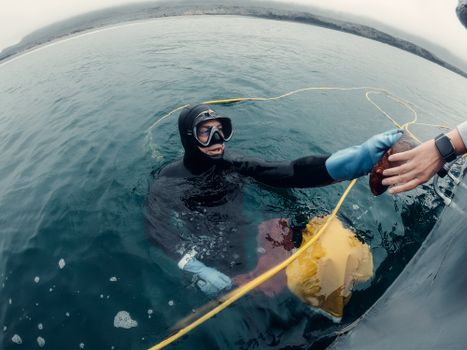
Imagine a super explorer who loves the ocean and mapping the world beneath the waves! Thats what a Marine Geographer does. They study everything about the sea, from the shape of the seabed to how the currents move and what lives in the water. They use special tools like sonar to create amazing 3D maps of the ocean floor, just like a treasure map but for science! They also look at how humans impact the ocean, like from fishing or pollution, and try to find ways to protect our beautiful marine environments. They might spend time on research ships, collecting samples, or in an office using computers to analyse all the information they gather. Its a very exciting job for anyone who loves the sea and wants to help look after our planet. Marine Geographers help us understand important things, like where to put offshore wind farms to make clean energy, how to protect amazing sea creatures like dolphins and whales, and even how coastlines might change over time. They collect information about ocean temperatures, sea levels, and the types of rocks and sand at the bottom of the sea. They might even study how tiny plants and animals in the ocean help our planet breathe. Their work is super important for making smart decisions about our oceans and coasts for everyone in the UK.

Marine Geographer

Flag Media

Please select a reason for flagging this content.

📊 Statistics

Average Starting Salary

For someone just starting as a Marine Geographer in the UK, they might earn around 22,000 to 28,000 pounds a year. This can grow a lot as they learn more.

Average Experienced Salary

Marine Geographers with lots of experience and special skills can earn between 35,000 to 50,000 pounds or even more each year, especially if they manage projects or teams.

Number of Positions

While there isnt an exact number for 'Marine Geographers' alone, related jobs in environmental and marine science sectors in the UK have thousands of people working in them. Its a growing area as we learn more about our oceans.

🚀 Careers in this path

Flag Media

Please select a reason for flagging this content.

Ocean Explorer

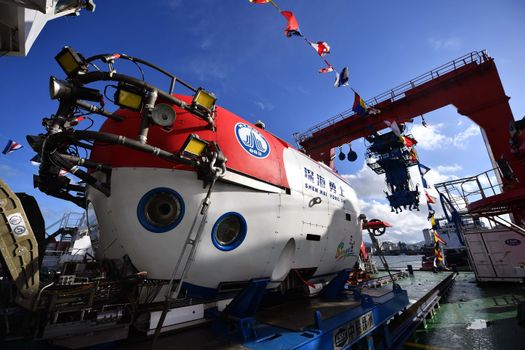
Imagine you're an explorer but for the ocean! You'd go out on special boats to map the seabed, find out where different creatures live, and discover underwater mountains and valleys. You'd use cool gadgets to see what's beneath the waves.

Flag Media

Please select a reason for flagging this content.

Coastal Conservationist

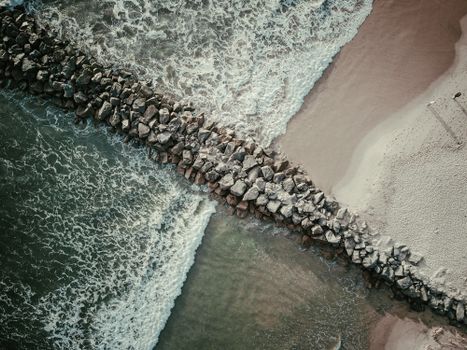
This job is all about looking after our beaches and coastlines. You'd help protect the plants and animals that live there, make sure the beaches are clean, and understand how the sea changes the land, so it stays a beautiful and safe place for everyone.

Flag Media

Please select a reason for flagging this content.

Underwater Cartographer

A cartographer is someone who makes maps. An underwater cartographer makes maps of the bottom of the sea! You'd use clever computers and information from special underwater cameras to draw detailed maps of the seabed, showing all the bumps, trenches, and even shipwrecks.

Learning About Our Planet

Explore Nature

Start by exploring the world around you! Visit a beach, a park, or even just look at maps of different places. Pay attention to how rivers flow, how hills are shaped, and what plants and animals live there.

When you visit different places, try to notice the tiny details. How does the sand feel? What kinds of shells can you find? You can also look at pictures or videos of places you can't visit, like the deep ocean, and imagine what it would be like to study them. Understanding how land and water interact is the first step to becoming a Marine Geographer.

Read Ocean Books

There are lots of amazing books about the ocean! Read about sea creatures, discover facts about how waves work, and learn about the different parts of the ocean, from shallow shores to the super deep trenches.

Your local library will have many books about marine life, oceanography, and geography. Look for books with colourful pictures and easy-to-understand explanations. These books can introduce you to terms like 'coral reef', 'tides', and 'ocean currents', which are all important for a Marine Geographer to know. You can also watch nature documentaries about the ocean.

Play with Maps

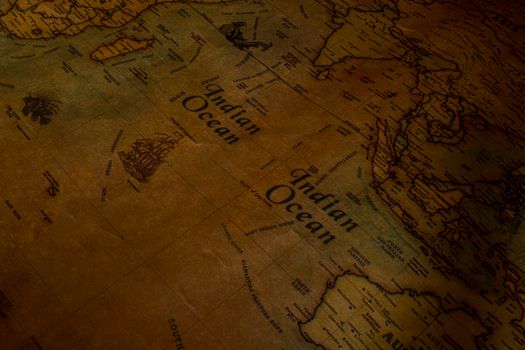
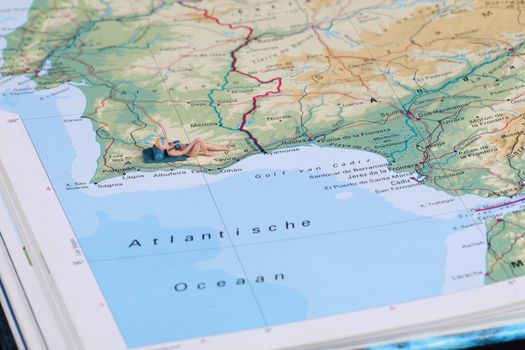
Maps help us understand where things are. You can draw your own maps of your bedroom or garden, or look at big maps of the UK or the world. Try to find the oceans and count how many islands you can spot!

Online maps are a great way to explore the world from home. You can zoom in on coastlines, look at different countries, and even see underwater features if the map shows them. Understanding how to read and create maps is a very important skill for geographers, as they use maps all the time to show where things are and how they change.

Becoming a Sea Detective

Learn About Geography

At school, pay special attention in geography lessons. You'll learn about different landscapes, climates, and how people interact with their environment. These are all clues to understanding the marine world.

In geography, you'll learn about things like rivers flowing into the sea, how mountains are formed, and how weather patterns affect different parts of the world. All of this knowledge helps you understand how the land and sea are connected. For example, learning about erosion can help you understand why some beaches are sandy and others are rocky.

Do Science Experiments

Science helps us understand how the world works. Try simple experiments about water, like how things float or sink, or how salt affects water. These experiments help you think like a scientist!

You can do fun experiments at home to learn about the properties of water. For example, you could see how quickly ice melts in different temperatures, or how much salt you need to add to water for an object to float. These hands-on activities help you understand the principles that Marine Geographers use in their studies of the ocean's physics and chemistry.

Visit an Aquarium or Museum

Go to an aquarium to see amazing sea creatures up close, or visit a museum that has exhibits about the ocean or planet Earth. You'll learn lots of cool facts and see real tools scientists use.

Aquariums are fantastic places to see marine life from different parts of the world and learn about ocean habitats. Museums often have sections on geology, oceanography, or maritime history, where you can see models of ships, old maps, and even fossils from ancient oceans. These visits can spark your imagination and show you what a Marine Geographer's work might involve.

Working with the Oceans

Study Hard at School

As you get older, keep studying subjects like Geography, Science, and Maths. These subjects will give you the tools you need to become a brilliant Marine Geographer and understand complex ocean systems.

To become a Marine Geographer, you will eventually need to go to university. Strong grades in GCSEs and A-levels (or equivalent qualifications) in subjects like Geography, Geology, Biology, Chemistry, or Environmental Science will be very important. Maths is also key for understanding data and statistics that geographers often use.

Go to University

After school, you'll go to university to study a special course like Marine Geography, Oceanography, or Environmental Science. This is where you'll learn all the advanced skills and knowledge.

At university, you will study for a Bachelor's degree (like a BSc) in a relevant subject. This will involve learning about topics such as coastal processes, marine ecosystems, climate change, cartography (map-making), and using special computer software (GIS) to analyse geographical data. Many courses also offer fieldwork opportunities, which means going out and studying real places!

Get Experience

While at university or after, look for opportunities to help out with projects that study the ocean or coasts. This could be helping scientists, or working with conservation groups.

Gaining practical experience is really important. This could involve volunteering with a marine conservation charity, taking part in beach clean-ups, or applying for internships with organisations that conduct marine research or coastal management. This kind of experience helps you apply what you've learned and build connections with other professionals in the field, making it easier to find a job as a Marine Geographer.

🎬 Useful Videos

🎯 View Apprenticeships

Explore relevant apprenticeships that can help you kickstart your career in Marine Geographer. Apprenticeships offer hands-on experience and training while earning a wage.

Career Progressions

This page showcases various career options and the pathways to reach them. Each career listed here shares transferable skills and knowledge, making it easier for individuals to transition between them.

Your current career is highlighted to help you see how it fits into the broader landscape of potential career choices. By clicking on any career, you can learn more about it, including the training and education required to pursue it.

Remember, progressing in your career often involves further learning and training. This page provides insights into future career options as well as those that can lead up to your current one.

These career progression decisions are informed by comparing the skills and knowledge needed for different occupations, along with data on how people move between them. Explore the possibilities and discover the exciting journey ahead in your career!

Sample Qualifications

A Marine Geographer specialises in the study of the seabed, coastal areas, and ocean processes using geographical principles, which aligns directly with the duties of an Oceanographer who researches all aspects of the ocean, including its physical features and seabed characteristics.

How to become

You can get into this job through a university course.

University

You can study for a degree in oceanography or a related subject, like:

  • ocean science
  • geology
  • physics
  • marine science
  • biology or chemistry
  • environmental science

Employers often look for students with postgraduate qualifications, like a master's degree or PhD. They also value experience of working in marine science, engineering or oceanographic research.

You can get experience by choosing a course that includes work placements or internships with a marine company or research centre.

You can find marine companies and research organisations through the Society for Underwater Technology.

Entry requirements

You'll usually need:

  • 5 GCSEs at grades 9 to 4 (A* to C), or equivalent, including English, maths and science
  • 3 A levels, or equivalent, including at least 1 science
  • a degree in a relevant subject for postgraduate study

More Information

More Information

Career tips

You could contact marine companies to see if you could work with them on a project as part of your university dissertation or postgraduate research. This would allow you to build up contacts in the industry, who may be able to help you find work once you complete your studies.

Further information

You can find out more about becoming an oceanographer from the:

Interested in More Career Paths?

Explore other careers or use our AI to discover personalised paths based on your interests.

Stay connected

Join our newsletter to stay up to date on features and releases

Address
Developing Experts Limited
Exchange Street Buildings
35-37 Exchange Street
Norwich
NR2 1DP
UK

Phone
01603 273515

Email
[email protected]

Copyright 2026 Developing Experts, All rights reserved.