


Creating Career Path...

Finding Further Careers...

Mechanic

View this career for different education levels:

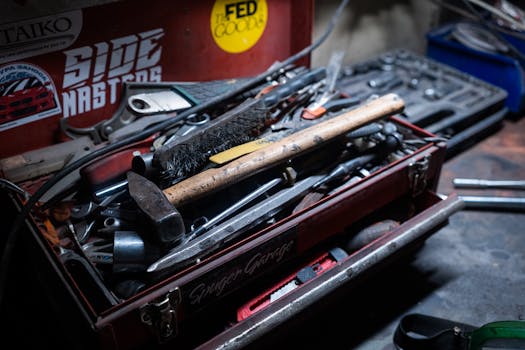
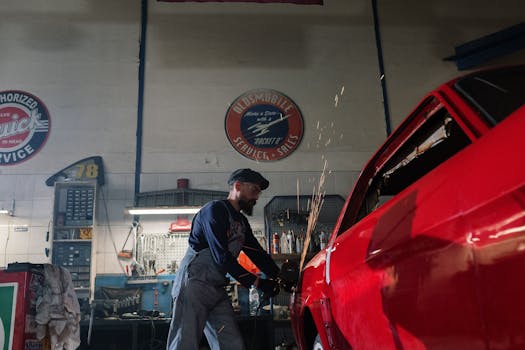
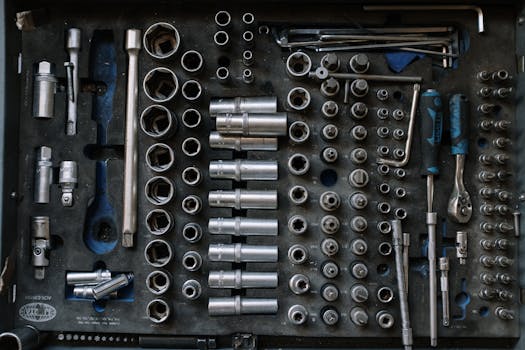
Being a mechanic is all about fixing and maintaining cars and other vehicles to make sure they run safely and smoothly. Imagine a car breaks down; it's a mechanic's job to figure out what's wrong, often by using special computer diagnostic tools, and then repair it. This could involve anything from changing oil and brakes to fixing complex engine problems or electrical systems. You'd spend your days in a workshop, getting hands-on with different tools and technologies. It's a really important job because people rely on their vehicles every day for getting to school, work, and even holidays. A good mechanic needs to be good at problem-solving, enjoy working with their hands, and have a keen eye for detail. You'll learn a lot about how engines, gearboxes, and all the different parts of a car work together, and you'll often be learning new things as cars get more and more high-tech.

Mechanic

Flag Media

Please select a reason for flagging this content.

📊 Statistics

Average Starting Salary

For a newly qualified mechanic in the UK, you might expect to start on around 20,000 to 24,000 pounds per year.

Experienced Salary

With more experience, mechanics can earn between 28,000 and 35,000 pounds annually, and specialist roles can pay even more.

Job Openings

There are consistently thousands of mechanic job openings across the UK each year, showing a steady demand for skilled people in this field.

🚀 Careers in this path

Flag Media

Please select a reason for flagging this content.

Motor Vehicle Technician

This is a more specific job where you fix cars and vans. You'd learn how to use special computer tools to find problems with engines and other parts, and then repair or replace them. You might also do regular services to keep vehicles running smoothly.

Flag Media

Please select a reason for flagging this content.

Bicycle Mechanic

If you love bikes, this could be perfect! You would specialise in repairing, servicing, and building bicycles. This includes fixing punctures, adjusting brakes and gears, and making sure bikes are safe and fun to ride for people of all ages.

Flag Media

Please select a reason for flagging this content.

Agricultural Machinery Engineer

This role focuses on big farm machines like tractors, combine harvesters, and other equipment used in farming. You would be responsible for maintaining, repairing, and troubleshooting these complex machines to help farmers grow food and look after their land.

Getting Started: Building Your Interest

Explore Your Passion for Cars

Start by learning how cars work. Watch videos, read books, and talk to mechanics to understand the basics.

At this age, it's all about discovery! You can find lots of cool videos online showing how engines work or how different parts of a car fit together. Look for documentaries or educational channels about car engineering. If you know a mechanic, ask them if you can visit their workshop to see what they do. This early exploration will help you decide if this career sparks your interest.

Build a Model Car

Putting together a model car, especially one with visible engine parts, can help you understand how different components connect.

You can find many types of model cars, from simple kits to more complex ones that show off the engine and chassis. As you build it, try to understand the function of each part. Why does this piece go here? What does it do? This hands-on experience, even with a model, can be really helpful for visualising how a real car is assembled.

Take Design & Technology (D&T) at School

Choose subjects like D&T or resistant materials to develop practical skills and problem-solving abilities.

D&T lessons are brilliant for learning how to work with tools, understand materials, and solve practical problems – all skills that a mechanic uses every day. You'll learn about design, construction, and sometimes even basic electronics, which are becoming more and more important in modern cars. These subjects will give you a great foundation.

Secondary School & Further Education

Focus on Science and Maths

Good grades in subjects like Maths and Physics will help you understand the technical side of mechanics.

Maths is crucial for understanding measurements, calculations, and problem-solving in a garage. Physics will help you grasp concepts like force, motion, and electricity, which are fundamental to how vehicles operate. These subjects lay a strong academic foundation for more advanced mechanical training later on.

Look for Work Experience (Year 10/11)

Try to get some work experience at a local garage or car dealership during your school holidays or dedicated work experience week.

Work experience is incredibly valuable because it lets you see what a mechanic's day is really like. You might not be doing complex repairs, but you'll get to observe, help out with simpler tasks, and learn about the workshop environment. It's a great way to show potential employers you're serious about the career and gain some practical insight.

Consider a College Course (Post-GCSEs)

After your GCSEs, you can enrol in a college course like a Level 2 or 3 Diploma in Light Vehicle Maintenance and Repair.

These college courses are specifically designed to teach you the skills and knowledge needed to become a qualified mechanic. You'll learn about different vehicle systems, how to diagnose faults, use specialist tools, and understand health and safety in a workshop. It often combines classroom learning with practical workshop sessions, giving you hands-on experience with real vehicles.

Starting Your Career: Apprenticeships & Training

Apply for an Apprenticeship

An apprenticeship is a fantastic way to learn on the job while earning a wage and getting qualified.

Automotive apprenticeships combine practical work in a garage with study at a college or training centre, usually one day a week. You'll work alongside experienced mechanics, learning directly from them, and gain recognised qualifications like an NVQ. Many garages prefer to hire apprentices because they can train them in their specific ways of working, leading to a full-time job once qualified.

Gain Industry Certifications

Once working, aim for additional certifications like MOT Tester or specific manufacturer training.

As you become more experienced, you can specialise and gain further qualifications. Becoming an MOT Tester, for example, allows you to legally check vehicles for roadworthiness. Many car manufacturers also offer their own training programmes, which can open doors to working in their franchised dealerships and working on the latest vehicle technology. Continuous learning is key in this ever-evolving industry.

Develop Specialist Skills

Modern vehicles rely heavily on electronics. Focus on developing skills in diagnostics and electric/hybrid vehicle repair.

The automotive world is changing rapidly, with electric and hybrid vehicles becoming more common. Having skills in diagnosing electronic faults using specialised computer equipment, and safely working on high-voltage electric vehicle systems, will make you highly sought after. Staying up-to-date with new technologies through training courses is essential for a long and successful career.

🎬 Useful Videos

🎯 View Apprenticeships

Explore relevant apprenticeships that can help you kickstart your career in Mechanic. Apprenticeships offer hands-on experience and training while earning a wage.

Career Progressions

This page showcases various career options and the pathways to reach them. Each career listed here shares transferable skills and knowledge, making it easier for individuals to transition between them.

Your current career is highlighted to help you see how it fits into the broader landscape of potential career choices. By clicking on any career, you can learn more about it, including the training and education required to pursue it.

Remember, progressing in your career often involves further learning and training. This page provides insights into future career options as well as those that can lead up to your current one.

These career progression decisions are informed by comparing the skills and knowledge needed for different occupations, along with data on how people move between them. Explore the possibilities and discover the exciting journey ahead in your career!

Sample Qualifications

A 'Mechanic' is a general term often referring to someone who repairs and maintains motor vehicles. 'Motor mechanic' is the most direct and common official title for this profession, specifically referring to cars and light commercial vehicles, which is what 'Mechanic' typically implies in general usage.

How to become

You can get into this job through a college course or an apprenticeship.

College

You could take a college course before applying for a trainee motor mechanic role with a garage.

Relevant courses include:

  • light vehicle maintenance and repair
  • T Level in Maintenance, Installation and Repair for Engineering and Manufacturing

You could specialise in hybrid and electrical vehicles by doing a course like:

  • auto-electrical and mobile electrical operations
  • electric/hybrid vehicle system repair and replacement

Entry requirements

Entry requirements for these courses vary.

  • 4 or 5 GCSEs at grades 9 to 4 (A* to C), or equivalent, including English and maths for a T Level

More Information

Apprenticeship

You could apply to do a Motor Vehicle Service and Maintenance Technician - Light Vehicle Level 3 Advanced Apprenticeship.

This will usually take 2 to 3 years. You'll do on-the-job training and spend time at a college or training provider.

You could also train as a vehicle mechanic in the British Army.

Entry requirements

You'll usually need:

  • 5 GCSEs at grades 9 to 4 (A* to C), or equivalent, including English and maths, for an advanced apprenticeship

More Information

More Information

Career tips

It will help if you are interested in the motor industry and enjoy fixing cars. It can also be useful to have a knowledge of different makes and models.

Further information

You can find out more about working and training as a light vehicle technician from Autocity.

Interested in More Career Paths?

Explore other careers or use our AI to discover personalised paths based on your interests.

Stay connected

Join our newsletter to stay up to date on features and releases

Address
Developing Experts Limited
Exchange Street Buildings
35-37 Exchange Street
Norwich
NR2 1DP
UK

Phone
01603 273515

Email
[email protected]

Copyright 2026 Developing Experts, All rights reserved.