

Creating Career Path...

Finding Further Careers...

Mechanic

View this career for different education levels:

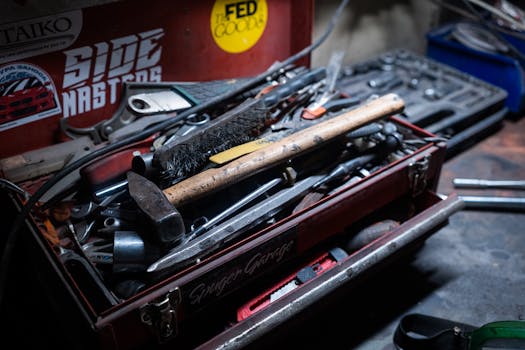
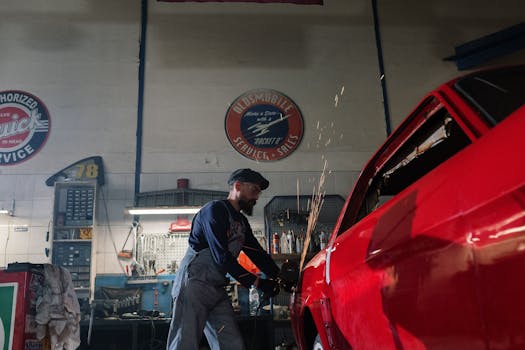
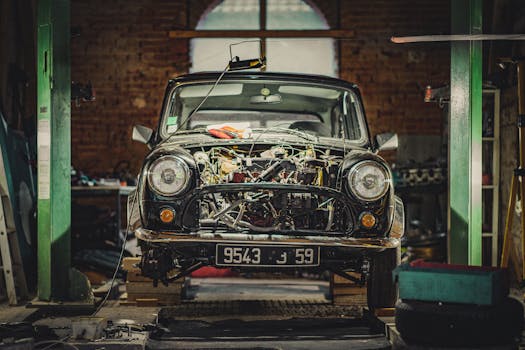
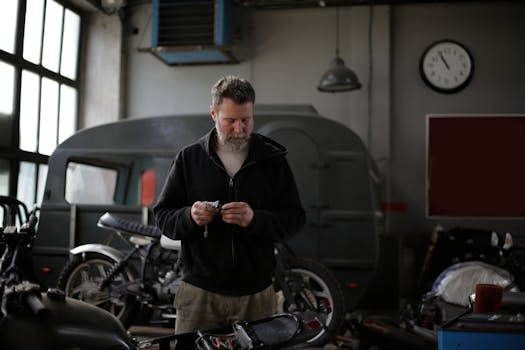
Imagine a car that is not feeling well, maybe it is making a funny noise or not starting up. That is where a mechanic comes in They are like car doctors They use special tools to find out what is wrong and then they fix it. This could be anything from changing a flat tyre and checking the brakes to looking at the engine or making sure the lights work properly. Mechanics work in garages or car dealerships and help keep our cars safe and running smoothly on the roads of the UK. Being a mechanic means you need to be very good at solving puzzles and enjoy working with your hands. You would learn all about how different parts of a car work together and how to use many different tools. It is a very important job because so many people rely on their cars to get to school, work, or to visit friends and family. A good mechanic helps make sure everyone can get where they need to go safely.

Mechanic

Flag Media

Please select a reason for flagging this content.

📊 Statistics

Average Starting Salary

A new mechanic in the UK might start earning around 19000 to 22000 pounds a year.

Experienced Mechanic Salary

With more experience and special skills, a mechanic in the UK can earn between 25000 and 35000 pounds a year. Some very experienced ones earn even more.

Job Openings

There are always jobs for good mechanics. Around 4000 to 6000 mechanic jobs are advertised across the UK each year.

🚀 Careers in this path

Flag Media

Please select a reason for flagging this content.

Car Doctor

Imagine you're a special doctor, but for cars! You listen to the car's engine to hear if it's got a tummy ache, check its tyres to make sure its feet are bouncy, and make sure its lights are shining bright. You fix any boo-boos so the car can zoom along safely and happily again.

Flag Media

Please select a reason for flagging this content.

Bicycle Fixer

If you love bikes, this is perfect! You get to help children and grown-ups when their bicycles have wobbly wheels, flat tyres, or squeaky chains. You make sure their bikes are super safe and fun to ride, so they can go on exciting adventures without any problems.

Flag Media

Please select a reason for flagging this content.

Train Helper

Trains are huge and amazing! As a train helper, you'd get to make sure all the parts of the train are working perfectly. You might check the big wheels, the powerful engines, and the comfy carriages to make sure everything is ready for a safe journey, transporting people or goods all across the country.

Learning About Cars

Be Curious

Start by being curious about how things work, especially cars! Look at how wheels spin or how a door opens and closes. Ask lots of questions.

When you see a car, think about what makes it move. Why does it have lights? How does the steering wheel make it turn? You can ask grown-ups questions or watch videos about cars. Even toy cars can help you understand the basics of how vehicles are put together and what their different parts do. Understanding the basics from a young age can spark a lifelong interest.

Play with Toy Cars

Playing with toy cars and building sets can help you understand how different parts fit together and move.

Get some toy cars, lorries, or even building blocks that let you create your own vehicles. Try taking them apart (if you're allowed!) and putting them back together. This helps you understand how different components connect and what they do. You can pretend to fix your toy cars when they 'break down', using your imagination to diagnose and repair them, just like a real mechanic would.

Visit a Garage

If you can, ask a grown-up to take you to a local garage to see what a real mechanic does.

Seeing a real garage can be very exciting! You might see mechanics working on cars, using big tools, and hear the sounds of engines. If the mechanics are not too busy, they might even show you some of their tools or explain a little bit about what they are doing. Always remember to be safe and stay with your grown-up when you visit. This real-life experience can give you a clearer idea of what the job involves.

Learning New Skills

Help with Fixing Things

Offer to help grown-ups when they're fixing things around the house, like putting together furniture or fixing a bicycle.

Helping with small repair jobs is a great way to learn practical skills. You can learn how to use simple tools safely, like screwdrivers or spanners. This also teaches you to follow instructions, solve problems, and understand how different parts work together. These are all important skills for a future mechanic, even if it's not a car you're fixing!

Take School Subjects

When you're older, try to do well in subjects like Design and Technology (DT) or Science at school.

DT lessons often involve making things and learning about tools, materials, and how things are constructed, which is perfect for a future mechanic. Science, especially physics, helps you understand how engines work, why cars move, and the forces involved. Doing well in these subjects will give you a good foundation for more advanced learning about vehicles later on.

Start a Hobby

Maybe try building model kits like cars or aeroplanes, or even learning about electronics.

Hobbies like building plastic model kits help you practise following instructions carefully and putting small parts together precisely. If you're interested in electronics, learning about circuits and wires can be super useful because modern cars have lots of computers and electrical systems. These hobbies build patience, accuracy, and problem-solving skills.

Becoming a Mechanic

College Course

After school, you could go to college to study vehicle maintenance and repair. This is where you learn all the important things about cars.

At college, you'll take special courses that teach you about different types of engines, brakes, electrics, and all the parts that make a car work. You'll learn how to use advanced tools and diagnostic equipment, which helps you find out what's wrong with a car. These courses often lead to qualifications that show you're a trained mechanic.

Apprenticeship

Another great way is to do an apprenticeship, where you work in a garage and learn on the job while also studying.

An apprenticeship is a brilliant way to become a mechanic because you get to learn from experienced mechanics every day. You'll spend time in a real garage, getting hands-on experience fixing cars, and also go to college for some days to learn the theory. You even get paid a little bit while you're learning! It's like being a mechanic in training.

Get Certified

Once you've learned everything, you'll get certificates that show you're a qualified mechanic ready to fix cars!

These certificates are like your mechanic's passport. They prove you have the skills and knowledge to safely and correctly fix vehicles. Being certified means customers can trust you with their cars, and you'll be able to work in garages or even start your own repair business one day. It shows you've worked hard and know your stuff!

🎬 Useful Videos

🎯 View Apprenticeships

Explore relevant apprenticeships that can help you kickstart your career in Mechanic. Apprenticeships offer hands-on experience and training while earning a wage.

Career Progressions

This page showcases various career options and the pathways to reach them. Each career listed here shares transferable skills and knowledge, making it easier for individuals to transition between them.

Your current career is highlighted to help you see how it fits into the broader landscape of potential career choices. By clicking on any career, you can learn more about it, including the training and education required to pursue it.

Remember, progressing in your career often involves further learning and training. This page provides insights into future career options as well as those that can lead up to your current one.

These career progression decisions are informed by comparing the skills and knowledge needed for different occupations, along with data on how people move between them. Explore the possibilities and discover the exciting journey ahead in your career!

Sample Qualifications

A Mechanic, in a general sense, most commonly refers to an individual who repairs and maintains motor vehicles, which is precisely the role of a Motor mechanic. Other options are too specific (e.g., 'Motorcycle mechanic') or too broad/different in scope (e.g., 'Mechanical engineer').

How to become

You can get into this job through a college course or an apprenticeship.

College

You could take a college course before applying for a trainee motor mechanic role with a garage.

Relevant courses include:

  • light vehicle maintenance and repair
  • T Level in Maintenance, Installation and Repair for Engineering and Manufacturing

You could specialise in hybrid and electrical vehicles by doing a course like:

  • auto-electrical and mobile electrical operations
  • electric/hybrid vehicle system repair and replacement

Entry requirements

Entry requirements for these courses vary.

  • 4 or 5 GCSEs at grades 9 to 4 (A* to C), or equivalent, including English and maths for a T Level

More Information

Apprenticeship

You could apply to do a Motor Vehicle Service and Maintenance Technician - Light Vehicle Level 3 Advanced Apprenticeship.

This will usually take 2 to 3 years. You'll do on-the-job training and spend time at a college or training provider.

You could also train as a vehicle mechanic in the British Army.

Entry requirements

You'll usually need:

  • 5 GCSEs at grades 9 to 4 (A* to C), or equivalent, including English and maths, for an advanced apprenticeship

More Information

More Information

Career tips

It will help if you are interested in the motor industry and enjoy fixing cars. It can also be useful to have a knowledge of different makes and models.

Further information

You can find out more about working and training as a light vehicle technician from Autocity.

Interested in More Career Paths?

Explore other careers or use our AI to discover personalised paths based on your interests.

Stay connected

Join our newsletter to stay up to date on features and releases

Address
Developing Experts Limited
Exchange Street Buildings
35-37 Exchange Street
Norwich
NR2 1DP
UK

Phone
01603 273515

Email
[email protected]

Copyright 2026 Developing Experts, All rights reserved.