Creating Career Path...

Finding Further Careers...

Mechanic

View this career for different education levels:

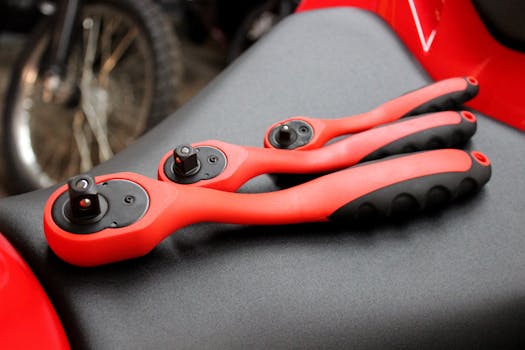
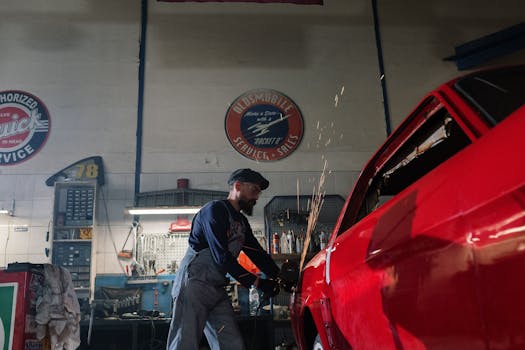
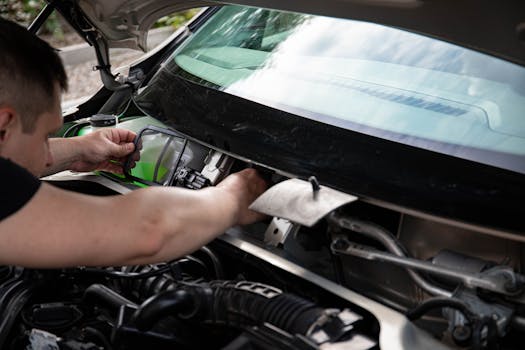
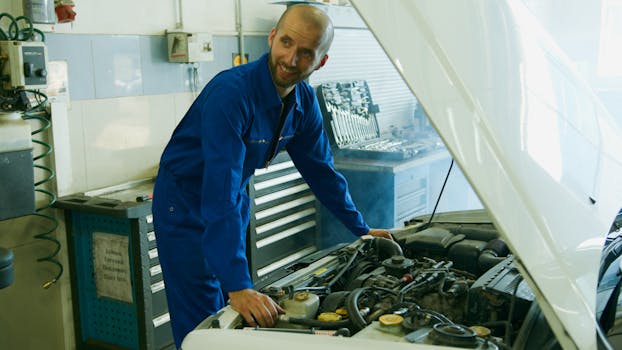
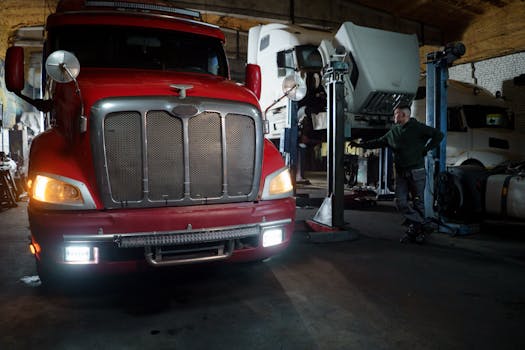
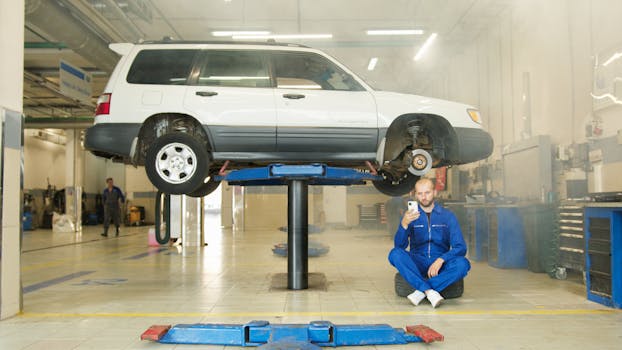
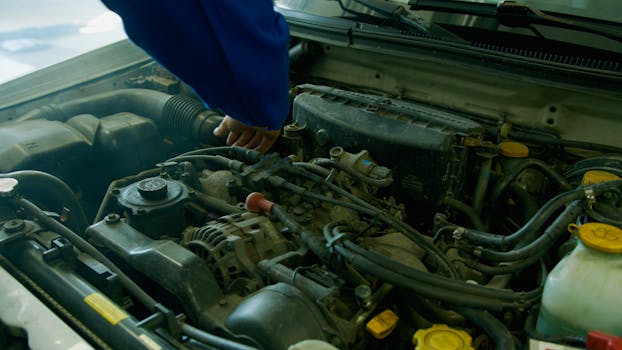
A mechanic, often referred to as an Automotive Technician in the UK, is a skilled professional responsible for inspecting, maintaining, and repairing vehicles. This career is far more complex than simply changing oil or tyres; it involves a deep understanding of mechanical, electrical, and electronic systems found in modern cars, vans, and sometimes larger vehicles. Your daily tasks could include routine servicing, diagnosing complex faults using specialist diagnostic equipment and software, repairing or replacing worn parts like brakes, clutches, or suspension components, and performing engine or gearbox overhauls. You'd need excellent problem-solving skills, a keen eye for detail, and the ability to work safely and efficiently with a variety of tools and machinery. With the increasing sophistication of vehicles, continuous learning about new technologies, such as hybrid and electric vehicles, is crucial to stay current in the field.

Mechanic

Flag Media

Please select a reason for flagging this content.

📊 Statistics

Average Salary Range

For an experienced mechanic in the UK, the salary typically ranges from 25,000 to 35,000 per year, though highly skilled or specialist technicians can earn more, sometimes exceeding 45,000. Entry-level positions usually start around 18,000 to 22,000.

Number of Positions

The automotive repair and maintenance sector in the UK employs a substantial workforce. While exact real-time figures fluctuate, the overall motor trades industry supports hundreds of thousands of jobs, with mechanics forming a core component. There's a consistent demand for skilled technicians across the country.

Working Hours

Typical working hours for a mechanic are 40 hours per week, often including some Saturdays. Overtime may be available, particularly in busy periods or for urgent repairs. Some roles might involve shift work or on-call duties, especially for breakdown services.

🚀 Careers in this path

Flag Media

Please select a reason for flagging this content.

Diagnostic Technician

Specialises in using advanced diagnostic tools and software to identify and troubleshoot complex issues in modern vehicles. This role requires strong problem-solving skills and a good understanding of automotive electronics and computer systems, moving beyond purely mechanical repairs.

Flag Media

Please select a reason for flagging this content.

Automotive Electrician

Focuses specifically on the electrical and electronic systems within vehicles, including wiring, alternators, starter motors, lighting, and infotainment systems. With vehicles becoming increasingly reliant on complex electronics, this specialism offers a highly sought-after skillset.

Flag Media

Please select a reason for flagging this content.

MOT Tester

A qualified professional who carries out the annual Ministry of Transport (MOT) test on vehicles to ensure they meet legal safety and environmental standards. This role requires a thorough understanding of vehicle regulations and keen attention to detail, often combined with general mechanical skills.

Build Foundational Knowledge and Skills

Gain Relevant Qualifications

Start by acquiring qualifications that provide a strong theoretical and practical base in vehicle maintenance and repair. This is essential for entry-level positions.

Consider pursuing a college course such as a Level 2 or 3 Diploma in Light Vehicle Maintenance and Repair Principles. These courses typically cover areas like engine systems, chassis systems, electrical and electronic systems, and health and safety in the automotive industry. Some colleges also offer T Levels in Maintenance, Installation and Repair for Engineering and Manufacturing, which combine classroom learning with significant industry placements. Look for courses accredited by awarding bodies like City & Guilds or IMI (Institute of the Motor Industry).

Develop Practical Skills

Practical experience is crucial in this hands-on career. Look for opportunities to get comfortable with tools and vehicle components.

Alongside your studies, try to gain practical experience. This could involve working on your own vehicle (if you have one), helping out a friend or family member with car repairs, or even finding a part-time job or volunteering opportunity at a local garage. The more comfortable you are with tools, diagnostic equipment, and the general mechanics of a vehicle, the better prepared you'll be for formal training and employment. Pay attention to safety practices from the start.

Research the Industry

Understand the current landscape of the automotive industry and the different specialisms available.

The automotive industry is constantly evolving, with a growing focus on electric and hybrid vehicles. Research different types of garages and repair centres, such as independent workshops, franchised dealerships, and breakdown recovery services, to see where your interests might lie. Look into the demand for specific skills, such as electric vehicle (EV) diagnostics and repair, as this could shape your future training choices. Industry publications and online forums can be great resources.

Secure Entry-Level Experience

Apply for an Apprenticeship

An apprenticeship is often the most effective route to becoming a qualified mechanic, combining on-the-job training with formal study.

Automotive apprenticeships, typically at Level 3, allow you to learn practical skills from experienced technicians while also completing a college course. You'll gain hands-on experience in diagnosing and repairing faults, servicing vehicles, and using specialist equipment, all while earning a salary. Apprenticeships usually last 3-4 years and lead to qualifications such as an IMI Level 3 Diploma in Light Vehicle Maintenance and Repair. Search for apprenticeships through the government's 'Find an Apprenticeship' service, college websites, or by contacting local garages directly.

Gain Entry-Level Employment

If an apprenticeship isn't immediately available, seek entry-level roles to get your foot in the door and build experience.

Look for roles such as a 'Junior Mechanic', 'Trainee Technician', or 'Workshop Assistant'. While these roles might involve more basic tasks initially, such as vehicle preparation, cleaning, or assisting senior technicians, they provide invaluable exposure to a professional workshop environment. They also offer opportunities to learn from experienced colleagues, develop your practical skills, and demonstrate your commitment to the career. Many employers are willing to invest in training promising individuals.

Build a Toolkit and Skills Portfolio

Start investing in essential tools and document your growing skills and projects.

As you progress, begin to acquire your own set of quality hand tools. While employers typically provide specialist equipment, having your own basic toolkit demonstrates professionalism and readiness. Additionally, keep a record of the repairs you've carried out, the diagnostic procedures you've learned, and any specific training courses you've attended. This portfolio can be a valuable asset when applying for future jobs or promotions, showcasing your capabilities and dedication.

Professional Development and Specialisation

Achieve Industry Certifications

Continue to gain recognised certifications to validate your expertise and stay current with industry standards.

Once you have practical experience, aim for certifications like the IMI Level 3 or 4 Award in Hybrid Electric Vehicle Repair and Replacement or an MOT Tester qualification. These demonstrate advanced skills and open up new career avenues, particularly in a market increasingly moving towards electric and hybrid vehicles. The IMI (Institute of the Motor Industry) is the professional body for the automotive sector in the UK and offers a range of relevant qualifications.

Specialise in an Area

Consider focusing on a specific area of vehicle repair or type of vehicle to become an expert.

The automotive industry offers various specialisms. You could become an expert in specific vehicle systems (e.g., diagnostics, air conditioning, transmission), a particular brand (e.g., prestige cars, commercial vehicles), or emerging technologies (e.g., electric vehicles, advanced driver-assistance systems ADAS). Specialisation often leads to higher earning potential and more complex, interesting work. Research which specialisms are in demand and align with your interests, then seek out relevant training courses.

Pursue Advanced Roles

With experience and further training, you can advance to more senior or management positions.

Opportunities for career progression include becoming a Master Technician, Workshop Foreman, Service Manager, or even opening your own garage. These roles often require strong leadership, diagnostic expertise, and customer service skills. Some may involve further qualifications in management or business. Continuous professional development, staying abreast of technological advancements, and networking within the industry will be key to unlocking these advanced opportunities.

🎯 View Apprenticeships

Explore relevant apprenticeships that can help you kickstart your career in Mechanic. Apprenticeships offer hands-on experience and training while earning a wage.

Career Progressions

This page showcases various career options and the pathways to reach them. Each career listed here shares transferable skills and knowledge, making it easier for individuals to transition between them.

Your current career is highlighted to help you see how it fits into the broader landscape of potential career choices. By clicking on any career, you can learn more about it, including the training and education required to pursue it.

Remember, progressing in your career often involves further learning and training. This page provides insights into future career options as well as those that can lead up to your current one.

These career progression decisions are informed by comparing the skills and knowledge needed for different occupations, along with data on how people move between them. Explore the possibilities and discover the exciting journey ahead in your career!

Sample Qualifications

A 'Mechanic' is a general term, but in a automotive context without further specification, 'Motor mechanic' is the closest fit, referring to a skilled tradesperson who repairs and maintains cars and light vehicles.

How to become

You can get into this job through a college course or an apprenticeship.

College

You could take a college course before applying for a trainee motor mechanic role with a garage.

Relevant courses include:

  • light vehicle maintenance and repair
  • T Level in Maintenance, Installation and Repair for Engineering and Manufacturing

You could specialise in hybrid and electrical vehicles by doing a course like:

  • auto-electrical and mobile electrical operations
  • electric/hybrid vehicle system repair and replacement

Entry requirements

Entry requirements for these courses vary.

  • 4 or 5 GCSEs at grades 9 to 4 (A* to C), or equivalent, including English and maths for a T Level

More Information

Apprenticeship

You could apply to do a Motor Vehicle Service and Maintenance Technician - Light Vehicle Level 3 Advanced Apprenticeship.

This will usually take 2 to 3 years. You'll do on-the-job training and spend time at a college or training provider.

You could also train as a vehicle mechanic in the British Army.

Entry requirements

You'll usually need:

  • 5 GCSEs at grades 9 to 4 (A* to C), or equivalent, including English and maths, for an advanced apprenticeship

More Information

More Information

Career tips

It will help if you are interested in the motor industry and enjoy fixing cars. It can also be useful to have a knowledge of different makes and models.

Further information

You can find out more about working and training as a light vehicle technician from Autocity.

Interested in More Career Paths?

Explore other careers or use our AI to discover personalised paths based on your interests.

Stay connected

Join our newsletter to stay up to date on features and releases

Address
Developing Experts Limited
Exchange Street Buildings
35-37 Exchange Street
Norwich
NR2 1DP
UK

Phone
01603 273515

Email
[email protected]

Copyright 2026 Developing Experts, All rights reserved.