
You can do a foundation degree or higher national diploma in electrical and electronic engineering.
Entry requirements
You'll usually need:
- 1 or 2 A levels, or equivalent, for a foundation degree or higher national diploma
An Energy Storage Technician plays a crucial role in the UK's transition to a sustainable energy future. This career involves the installation, maintenance, testing, and troubleshooting of various energy storage systems, primarily large-scale battery systems used to store electricity from renewable sources like solar and wind farms, or for grid stabilisation. Your day-to-day could involve everything from connecting intricate wiring and configuring control systems, to performing routine checks, diagnosing faults, and carrying out repairs on complex battery setups. You'll be working with high-voltage systems and sophisticated technology, ensuring that energy is stored efficiently and safely, contributing directly to grid stability and the integration of green energy. This role requires a strong understanding of electrical principles, often gained through an apprenticeship, college course, or relevant engineering degree. You'll need to be meticulous, safety-conscious, and have excellent problem-solving skills. The work can be hands-on, often conducted outdoors or in industrial settings, and you'll typically work as part of a team, collaborating with engineers and project managers. As the UK invests heavily in renewable infrastructure, the demand for skilled technicians in this specialism is set to soar, offering excellent career progression opportunities and the chance to be at the forefront of green technology.
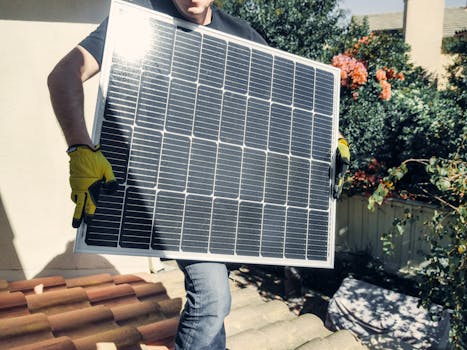
Starting salaries for Energy Storage Technicians in the UK typically range from 25,000 to 35,000 annually. With experience, this can increase to 40,000 to 55,000, and senior roles or specialisms may command higher.
The energy storage sector in the UK is experiencing rapid growth, driven by renewable energy targets. Projections indicate a significant increase in demand for skilled technicians over the next decade, with thousands of new roles expected to emerge as grid infrastructure evolves.
Most Energy Storage Technicians work standard full-time hours, around 37-40 hours per week. However, due to the nature of installation and maintenance, some roles may involve on-call duties, shift work, or travel to various sites across the UK.
Specialises in the installation, maintenance, and fault-finding of large-scale battery energy storage systems, often connected to the national grid or renewable energy sites. This role requires understanding of high-voltage systems and power electronics.
Focuses on the battery packs within electric vehicles, including diagnostics, repair, and replacement. This involves working with advanced battery management systems and understanding automotive electrical architecture.
Works at the interface of renewable energy generation (like solar or wind farms) and the national grid, specifically on the systems that store excess energy and manage its flow onto the grid. This role often involves system design and optimisation.
Start by acquiring qualifications that provide a strong electrical and technical foundation, essential for understanding energy storage systems.
Consider pursuing a Level 3 qualification such as an NVQ or BTEC in Electrical Installation, Electrical and Electronic Engineering, or Renewable Energy. These courses will equip you with core electrical principles, safety practices, and an introduction to sustainable technologies. Alternatively, an apprenticeship in an electrical or renewable energy field can offer practical experience alongside your studies, giving you a head start.
Familiarise yourself with the fundamental concepts of energy storage, different battery chemistries, and system components.
Research various types of battery technologies, such as Lithium-ion, lead-acid, and newer solid-state options, understanding their advantages, disadvantages, and typical applications. Learn about inverters, battery management systems (BMS), and grid integration. Online courses, industry webinars, and specialist publications can be excellent resources for self-study. A basic grasp of electrical circuits, power electronics, and control systems is also highly beneficial.
Acquire hands-on skills in electrical wiring, fault finding, and safe working practices.
Practical skills are paramount in this role. Seek opportunities to practice electrical wiring, use diagnostic tools, and understand safety procedures for working with high voltage DC and AC systems. Attending workshops, college practical sessions, or even undertaking personal projects (under supervision if necessary) can help build this practical expertise. Always prioritise safety and adhere to IET Wiring Regulations (BS 7671) when working with electrical systems.
Enrol in courses specifically focused on energy storage systems and relevant safety standards.
Look for specific qualifications such as the City & Guilds 2399-01 'Installation of Grid-Connected Solar Photovoltaic Systems' (as PV is often combined with storage) or dedicated Battery Energy Storage System (BESS) training courses. Many manufacturers offer product-specific training which can be incredibly valuable. Focus on understanding installation, commissioning, maintenance, and fault-finding procedures unique to BESS, including safety protocols for working with high-voltage DC batteries.
Seek entry-level positions or apprenticeships within companies that install or maintain energy storage solutions.
Applying for roles as an 'Assistant Energy Storage Technician', 'Electrical Apprentice with Renewable Focus', or 'Junior BESS Installer' can provide invaluable real-world experience. This will allow you to work alongside experienced professionals, apply your theoretical knowledge, and learn best practices in a practical setting. Networking at industry events and connecting with companies in the renewable energy sector can also open doors to these opportunities.
Become proficient in all relevant health and safety legislation and industry-specific guidelines.
Working with high-voltage electrical systems and large battery banks carries inherent risks. It is critical to have a deep understanding of UK health and safety regulations, including those specific to electrical work (e.g., Electricity at Work Regulations 1989), hazardous materials, and confined spaces. Familiarise yourself with risk assessments, method statements, and emergency procedures. Obtaining relevant safety certifications, such as an ECS (Electrotechnical Certification Scheme) card with the appropriate endorsements, is often a requirement.
Continue your professional development with advanced training and certifications in specific BESS technologies or related fields.
As technology evolves, so should your skills. Consider advanced manufacturer training for specific BESS brands, training in grid connection requirements, or certifications in energy management systems. You might also explore qualifications in project management or supervisory skills if you're looking to move into leadership roles. Staying updated on industry standards and emerging technologies is key to long-term career success.
Consider specialising in a particular aspect of energy storage, such as grid-scale systems, off-grid solutions, or hybrid systems.
The energy storage sector is diverse. You could specialise in the installation and maintenance of large-scale utility-grade BESS, residential storage solutions, commercial and industrial applications, or even hybrid systems that integrate with solar PV, wind, or EV charging infrastructure. Developing expertise in a niche area can make you a highly sought-after professional and open up new career pathways.
Take on mentoring roles, lead projects, and contribute to the training of new technicians.
Once you have substantial experience and expertise, look for opportunities to mentor junior colleagues or apprentices. Leading project teams, overseeing installations, or taking responsibility for complex maintenance contracts will further develop your leadership and problem-solving skills. This can naturally lead to roles such as Senior Energy Storage Technician, Team Leader, or even Project Manager within the renewable energy sector.
Designs, develops, and oversees the implementation of renewable energy projects, including solar, wind, and hydropower, often integrating energy storage solutions.

Specialises in the design, development, and maintenance of electrical systems and components, with potential to focus on power generation, transmission, and energy storage.
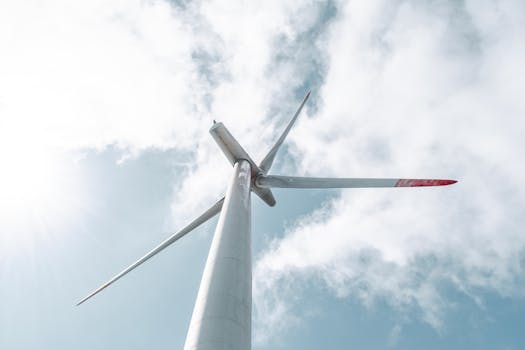
Installs, maintains, and repairs wind turbines, often working at heights and dealing with complex mechanical and electrical systems, sometimes involving integrated storage.
Explore relevant apprenticeships that can help you kickstart your career in Energy Storage Technician. Apprenticeships offer hands-on experience and training while earning a wage.
This page showcases various career options and the pathways to reach them. Each career listed here shares transferable skills and knowledge, making it easier for individuals to transition between them.
Your current career is highlighted to help you see how it fits into the broader landscape of potential career choices. By clicking on any career, you can learn more about it, including the training and education required to pursue it.
Remember, progressing in your career often involves further learning and training. This page provides insights into future career options as well as those that can lead up to your current one.
These career progression decisions are informed by comparing the skills and knowledge needed for different occupations, along with data on how people move between them. Explore the possibilities and discover the exciting journey ahead in your career!
An Energy Storage Technician would primarily work with electrical and electronic components, systems, and controls within energy storage solutions, aligning closely with the duties and expertise of an Electronics engineering technician.
You can get into this job through:
You can do a foundation degree or higher national diploma in electrical and electronic engineering.
You'll usually need:
You could take a college course, which would teach you some of the skills needed in this job.
Relevant courses include:
Entry requirements for these courses vary.
4 or 5 GCSEs at grades 9 to 4 (A* to C), or equivalent, including English and maths for a T Level
You can apply for a place on an apprenticeship to start as a trainee, for example:
You might do a Mechatronics Maintenance Technician Level 3 Advanced Apprenticeship, if you want to work in the service and repair of production line machinery or robotics.
You can also train to be an electronics technician in the Army.
You can apply for a foundation apprenticeship if you're aged 16 to 21.
If you're aged 22 to 24, you can apply if you:
You'll usually need:
You'll find career opportunities in many industries, including:
You can find out more about training and careers in engineering from Tomorrow's Engineers and The Institution of Engineering and Technology.
Explore other careers or use our AI to discover personalised paths based on your interests.
Address
Developing Experts Limited
Exchange Street Buildings
35-37 Exchange Street
Norwich
NR2 1DP
UK
Phone
01603 273515
Email
[email protected]
Copyright 2026 Developing Experts, All rights reserved.

Unlock expert-designed lessons, resources, and assessments tailored for educators. No credit card required.
Claim Your Free Trial →