
You can do a foundation degree or higher national diploma in electrical and electronic engineering.
Entry requirements
You'll usually need:
- 1 or 2 A levels, or equivalent, for a foundation degree or higher national diploma
Imagine a world where the electricity from wind turbines and solar panels can be saved up to be used later, even when the wind isn't blowing or the sun isn't shining. That's where an Energy Storage Technician comes in! Your main job would be to work with big battery systems, similar to the ones in your phone or laptop, but much, much bigger, that store energy for homes, businesses, or even entire towns. You would be responsible for installing these systems, making sure they are working properly and safely, and fixing them if they break down. This involves checking connections, testing components, and using special tools and equipment to keep everything running smoothly. It's a really important job because it helps us use more clean energy and makes sure we always have power when we need it. Being an Energy Storage Technician means you would spend your time working with your hands, problem-solving, and using your knowledge of electricity and electronics. You might work on different sites, from large power stations to smaller installations at schools or factories. Safety is super important in this role, as you'd be dealing with powerful electrical systems. You would need to follow strict rules and procedures to make sure everyone is safe. This career is brilliant if you like technology, want to help the environment, and enjoy practical work where every day can be a bit different.
Starting salaries for an Energy Storage Technician in the UK typically range from around 22,000 to 28,000 pounds per year. With more experience, this can increase significantly.
Experienced Energy Storage Technicians with several years under their belt can expect to earn between 35,000 and 45,000 pounds annually, sometimes even more for senior roles or specialised skills.
The renewable energy sector, including energy storage, is one of the fastest growing industries in the UK. The number of jobs in this field is expected to increase significantly over the next decade as the UK moves towards green energy.
Imagine working with the big batteries that store electricity for homes, schools, or even whole towns. You'd be making sure they're working properly and safely, checking them regularly to fix any little problems before they become big ones. It's a bit like being a doctor for batteries, keeping them healthy and ready to power things.

This job is all about helping with energy that comes from natural sources like the sun or wind. You might help set up solar panels or maintain wind turbines, learning how they connect to systems that store energy. It's a hands-on role where you'd be part of a team building a greener future.
A smart grid is like a super clever electricity network that knows when to store energy and when to send it out. As a support technician, you'd help make sure all the computer systems and equipment are talking to each other, ensuring the energy storage parts of the grid are running smoothly. It involves a bit of tech and a bit of practical problem-solving.
Focus on your science and maths subjects at school. These are key for understanding how energy works and solving problems.
Understanding physics will help you grasp electrical circuits and energy transfer. Maths will be crucial for calculations and problem-solving, which you'll do a lot of in this job. Try to get good grades in subjects like Physics, Chemistry, and Mathematics, as these will be valuable for future college courses or apprenticeships.
Learn about different types of renewable energy, like solar panels and wind turbines, and how they connect to energy storage.
Read books, watch documentaries, or visit science museums that have exhibits on renewable energy. Understanding the basics of how solar panels generate electricity or how wind turbines operate will give you a great head start. You could also look into how home battery storage systems work, as this is a common application.
Get involved in a science, technology, engineering, or maths club at school or in your local community.
These clubs often offer hands-on projects that can introduce you to practical skills. You might build simple circuits, work with robotics, or even create small renewable energy models. This is a fantastic way to see if you enjoy working with technology and to develop teamwork skills.
After school, look for college courses in electrical engineering, electronics, or renewable energy.
Many colleges offer BTECs or National Diplomas in subjects like Electrical and Electronic Engineering, or Renewable Energy Technologies. These courses provide a good mix of theory and practical skills, preparing you for either further study or an apprenticeship. Check out local college prospectuses online or attend open days to see what's available.
An apprenticeship lets you learn on the job while earning a wage and getting a qualification at the same time.
Look for apprenticeships in electrical installation, renewable energy systems, or even specific energy storage technologies. This path combines practical experience with structured learning, often leading to a Level 3 or Level 4 qualification. You'll work alongside experienced technicians and gain real-world skills invaluable for this career.
Learning about electrical safety is incredibly important as you'll be working with electricity.
Even if not a formal qualification yet, understanding basic electrical safety principles is crucial. Many college courses and apprenticeships will include this. As you progress, you'll need specific certifications, often like the 18th Edition Wiring Regulations (BS 7671) in the UK, which ensures you understand the national standards for electrical installations.
Look for jobs as an Energy Storage Technician Assistant, Electrical Assistant, or Junior Renewable Energy Technician.
These roles are a great way to get your foot in the door. You'll assist experienced technicians, learning the ropes of installation, maintenance, and fault-finding on various energy storage systems. Companies often look for eager learners with a good foundational understanding of electrical principles.
Once you're working, your employer might help you get trained and certified on specific energy storage products and systems.
Many energy storage systems are made by specific manufacturers, and they often offer training courses to teach technicians how to install, troubleshoot, and maintain their products correctly. Gaining these specific certifications will make you more valuable and skilled in your role.
The world of energy storage is always changing, so keep learning about new technologies and techniques.
New battery types, smarter management systems, and different ways to integrate renewable energy are constantly being developed. Read industry magazines, attend workshops, and take refresher courses to ensure your skills remain sharp and up-to-date. This commitment to continuous learning will help you progress in your career.

Works on installing, maintaining, and repairing wind turbines that generate electricity, often involving working at heights.
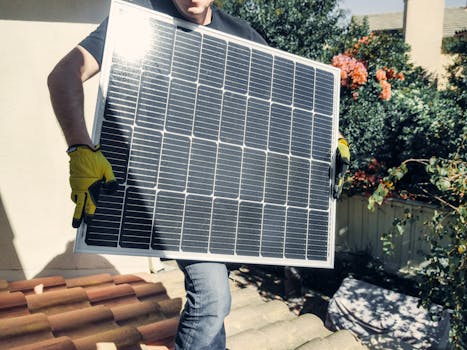
Focuses on fitting and connecting solar panels onto roofs and other structures to harness energy from the sun.

Designs, develops, and tests electrical equipment and systems, which could include new energy storage technologies.
Explore relevant apprenticeships that can help you kickstart your career in Energy Storage Technician. Apprenticeships offer hands-on experience and training while earning a wage.
This page showcases various career options and the pathways to reach them. Each career listed here shares transferable skills and knowledge, making it easier for individuals to transition between them.
Your current career is highlighted to help you see how it fits into the broader landscape of potential career choices. By clicking on any career, you can learn more about it, including the training and education required to pursue it.
Remember, progressing in your career often involves further learning and training. This page provides insights into future career options as well as those that can lead up to your current one.
These career progression decisions are informed by comparing the skills and knowledge needed for different occupations, along with data on how people move between them. Explore the possibilities and discover the exciting journey ahead in your career!
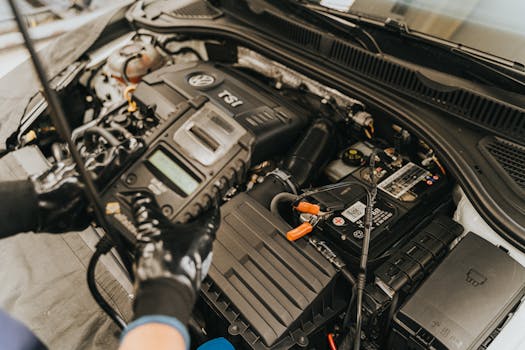
An Energy Storage Technician primarily focuses on the installation, maintenance, and troubleshooting of electronic components within energy storage systems (e.g., batteries, inverters). This aligns closely with the responsibilities of an Electronics Engineering Technician, which involves working with electronic equipment and systems.
You can get into this job through:
You can do a foundation degree or higher national diploma in electrical and electronic engineering.
You'll usually need:
You could take a college course, which would teach you some of the skills needed in this job.
Relevant courses include:
Entry requirements for these courses vary.
4 or 5 GCSEs at grades 9 to 4 (A* to C), or equivalent, including English and maths for a T Level
You can apply for a place on an apprenticeship to start as a trainee, for example:
You might do a Mechatronics Maintenance Technician Level 3 Advanced Apprenticeship, if you want to work in the service and repair of production line machinery or robotics.
You can also train to be an electronics technician in the Army.
You can apply for a foundation apprenticeship if you're aged 16 to 21.
If you're aged 22 to 24, you can apply if you:
You'll usually need:
You'll find career opportunities in many industries, including:
You can find out more about training and careers in engineering from Tomorrow's Engineers and The Institution of Engineering and Technology.
Explore other careers or use our AI to discover personalised paths based on your interests.
Address
Developing Experts Limited
Exchange Street Buildings
35-37 Exchange Street
Norwich
NR2 1DP
UK
Phone
01603 273515
Email
[email protected]
Copyright 2026 Developing Experts, All rights reserved.

Unlock expert-designed lessons, resources, and assessments tailored for educators. No credit card required.
Claim Your Free Trial →