
You can do a foundation degree or higher national diploma in electrical and electronic engineering.
Entry requirements
You'll usually need:
- 1 or 2 A levels, or equivalent, for a foundation degree or higher national diploma
Imagine you have a big battery that helps power homes and schools, making sure we always have electricity even when the sun isnt shining or the wind isnt blowing. An Energy Storage Technician is like a superhero for these big batteries! They help build, look after, and fix these special systems that store energy. This energy can come from sunshine, wind, or even leftover power from the electricity grid. Their job is super important because it helps us use more clean, green energy and makes sure everyone has power when they need it.
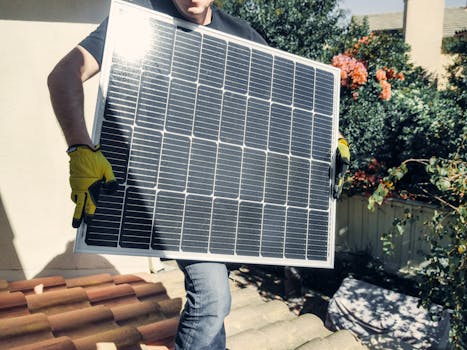
An Energy Storage Technician in the UK can expect to earn between 25,000 and 45,000 per year, depending on their experience and where they work.
The demand for Energy Storage Technicians is growing quickly in the UK, with many new jobs expected in the next few years as we use more green energy.
There are hundreds of jobs for Energy Storage Technicians across the UK, especially in areas where new renewable energy projects are being built.

Imagine you are an assistant to someone who puts together big batteries for homes or schools. You might help sort the parts or make sure everything is tidy for the grown-ups who are building them. It's like building with very special, important blocks!
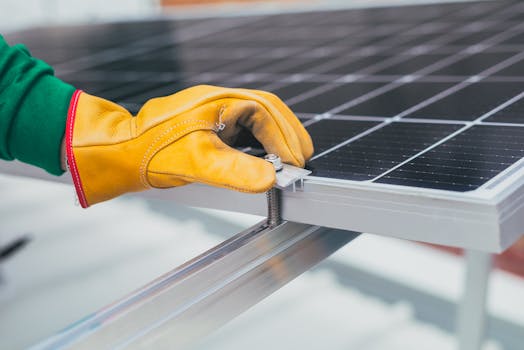
This is a friend of the sun! You would help people who work with solar panels on roofs. Maybe you help pass tools, or learn how the panels collect sunlight to make electricity. It helps power homes with clean energy from the sky!
Have you seen those giant windmills? They are called wind turbines! As a watcher, you might help someone check how they are working, or learn about how the wind helps make electricity. You'd be helping make power from the big breezes!
Start by asking lots of 'how' and 'why' questions about electricity and energy, like how a torch lights up or where the power for your TV comes from.
You can do this by playing with simple circuits, looking at how batteries work in toys, or observing how solar panels on houses collect sunlight. Reading books or watching safe videos about energy can also be a great start. Understanding these basic ideas will help you when you learn about bigger energy systems later on.
Discover where our energy comes from, like sunshine, wind, and even water! See how these can make electricity.
Explore renewable energy sources like solar and wind power. Learn how they are turned into electricity and why storing this energy is important. You can visit science museums, watch documentaries, or even do simple experiments at home to understand the difference between renewable and non-renewable energy.
Use building toys, like LEGO or K'nex, to make different structures and see how parts fit together. This helps you understand how machines are built.
Building things with your hands, following instructions, and even making your own designs helps you develop important skills for an Energy Storage Technician. It teaches you about problem-solving, how things connect, and how to make strong structures. Some kits even let you build simple electronic circuits, which is a fantastic way to start understanding how electricity flows.
Pay extra attention in science, especially when you learn about electricity, forces, and materials. These lessons are super important!
Science lessons in primary and secondary school will teach you the fundamental principles of physics and chemistry that are essential for understanding energy storage. Learning about circuits, magnets, and different types of materials will give you a good foundation for when you learn about how batteries and other storage systems are designed and maintained. Ask your teacher questions and participate in experiments!
Maths helps you solve problems and measure things, which is really useful when working with energy storage systems.
Having good maths skills, like knowing how to count, measure, and understand shapes, will be very helpful. Later on, you'll use maths to calculate how much energy is being stored, how much space is needed for equipment, and to understand readings from machines. Practising your times tables and solving puzzles are great ways to improve your maths.
Energy storage systems often use computers to help them work, so knowing how to use them is a good skill.
As an Energy Storage Technician, you might use computers to monitor the health of batteries, check how much energy is stored, or even help fix problems. Learning basic computer skills, like using a keyboard, mouse, and simple programs, will give you a head start. You might even learn some coding later, which is like giving instructions to computers!
When you're older, you could go to college to learn special things about engineering or electricity.
After finishing school, you can look for college courses in subjects like electrical engineering, electronics, or renewable energy technologies. These courses will teach you more advanced skills and knowledge specifically about how energy systems work, how to build them, and how to keep them safe. You might also learn about different types of batteries and storage methods.
An apprenticeship lets you learn on the job from experts, while also studying at college sometimes.
An apprenticeship is a fantastic way to become an Energy Storage Technician. You get to work with experienced people, learning practical skills like how to install, maintain, and repair energy storage systems. At the same time, you'll typically spend one day a week studying for a qualification at a college. This combination of hands-on experience and classroom learning is very effective.
The world of energy is always changing, so it's important to keep learning about new technologies and ideas.
Once you become an Energy Storage Technician, you'll need to stay updated with the latest advancements in energy storage technology. New types of batteries and smarter systems are always being developed. You might attend short courses, workshops, or read industry news to keep your skills sharp and be the best technician you can be. This ensures you're always ready for the future!
Someone who puts up solar panels on roofs to catch sunshine and turn it into electricity.
A person who looks after giant wind turbines that spin to make electricity.
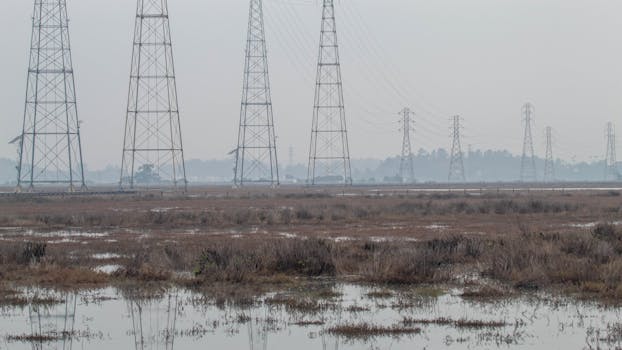
Someone who puts in and fixes electrical wires and systems in homes and buildings.
Explore relevant apprenticeships that can help you kickstart your career in Energy Storage Technician. Apprenticeships offer hands-on experience and training while earning a wage.
This page showcases various career options and the pathways to reach them. Each career listed here shares transferable skills and knowledge, making it easier for individuals to transition between them.
Your current career is highlighted to help you see how it fits into the broader landscape of potential career choices. By clicking on any career, you can learn more about it, including the training and education required to pursue it.
Remember, progressing in your career often involves further learning and training. This page provides insights into future career options as well as those that can lead up to your current one.
These career progression decisions are informed by comparing the skills and knowledge needed for different occupations, along with data on how people move between them. Explore the possibilities and discover the exciting journey ahead in your career!
An Energy Storage Technician would primarily focus on the installation, maintenance, and troubleshooting of battery systems and related electronic controls, which aligns most closely with the diagnostic and repair duties of an Electronics Engineering Technician working with complex electrical and electronic equipment.
You can get into this job through:
You can do a foundation degree or higher national diploma in electrical and electronic engineering.
You'll usually need:
You could take a college course, which would teach you some of the skills needed in this job.
Relevant courses include:
Entry requirements for these courses vary.
4 or 5 GCSEs at grades 9 to 4 (A* to C), or equivalent, including English and maths for a T Level
You can apply for a place on an apprenticeship to start as a trainee, for example:
You might do a Mechatronics Maintenance Technician Level 3 Advanced Apprenticeship, if you want to work in the service and repair of production line machinery or robotics.
You can also train to be an electronics technician in the Army.
You can apply for a foundation apprenticeship if you're aged 16 to 21.
If you're aged 22 to 24, you can apply if you:
You'll usually need:
You'll find career opportunities in many industries, including:
You can find out more about training and careers in engineering from Tomorrow's Engineers and The Institution of Engineering and Technology.
Explore other careers or use our AI to discover personalised paths based on your interests.
Address
Developing Experts Limited
Exchange Street Buildings
35-37 Exchange Street
Norwich
NR2 1DP
UK
Phone
01603 273515
Email
[email protected]
Copyright 2026 Developing Experts, All rights reserved.

Unlock expert-designed lessons, resources, and assessments tailored for educators. No credit card required.
Claim Your Free Trial →