
You could take a college course in construction skills or construction operations.
Courses like these may help you when applying for jobs.
Entry requirements
Entry requirements for these courses vary.
A General Construction Operative, often referred to as a Labourer or Site Operative, plays a crucial role in the UK construction industry. This hands-on career involves a wide range of tasks on building sites, from preparing the site and moving materials to assisting skilled tradespeople. You might be involved in digging foundations, operating basic machinery, clearing debris, ensuring health and safety standards are met, and generally supporting the smooth running of a construction project. It's a physically demanding job that requires good stamina, a strong work ethic, and an ability to work effectively as part of a team. Opportunities exist across various construction types, including residential, commercial, and civil engineering projects. Key responsibilities often include site preparation and clearance, handling and transporting materials using manual methods or basic equipment, assisting with the erection of scaffolding or temporary structures, and performing general maintenance tasks. Health and safety compliance is paramount in this role, and operatives are expected to follow strict guidelines to prevent accidents. While it often serves as an entry point into construction, it also provides a foundational understanding of the industry, allowing for progression into more specialised trades or supervisory roles with further training and experience.

In the UK, a General Construction Operative typically earns between 20,000 GBP and 30,000 GBP annually. Experienced operatives or those with specialist skills can earn more, potentially up to 35,000 GBP or 40,000 GBP.
The construction sector in the UK is a significant employer. While specific numbers for 'General Construction Operative' are hard to isolate, the broader construction industry employs over 2.7 million people. Demand for skilled and reliable operatives remains consistent due to ongoing infrastructure projects, residential building, and commercial developments.
Many entry-level positions are available, often requiring a Construction Skills Certification Scheme CSCS card. Apprenticeships are also common routes, providing structured training and qualifications while earning a wage.
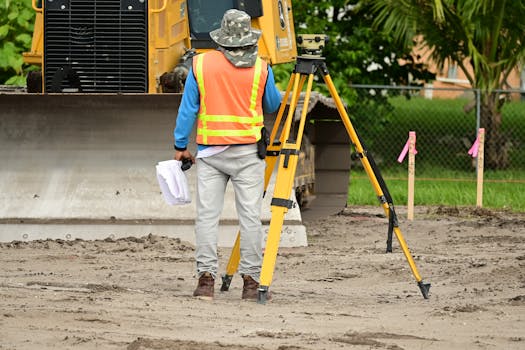
Quantity Surveyors manage all costs relating to building and civil engineering projects, from initial calculations to the final figures. They seek to minimise the costs and enhance value for money, while still achieving the required standards and quality. This role involves a good mix of office work and site visits.

A Site Manager Assistant supports the Site Manager in overseeing daily operations on a construction site. This involves supervising workers, ensuring health and safety regulations are followed, managing project timelines, and coordinating with various teams. It's a great stepping stone into full site management.

Construction Plant Mechanics are responsible for maintaining and repairing a wide range of heavy machinery and equipment used on construction sites, such as excavators, bulldozers, and cranes. This role requires mechanical aptitude and problem-solving skills, often working outdoors or in workshops.
Begin by obtaining essential safety qualifications and understanding basic construction principles.
The most crucial starting point for any construction operative is the CSCS (Construction Skills Certification Scheme) card. You'll need to pass the CITB Health, Safety and Environment Test for Operatives to get a Green CSCS card, which is mandatory for working on most UK construction sites. Consider also looking into an NVQ Level 1 in Construction Operations or a similar entry-level college course to broaden your foundational knowledge of tools, materials, and site practices.
Seek opportunities to develop hands-on skills relevant to general construction tasks.
While formal qualifications are important, practical experience is invaluable. Look for apprenticeships or entry-level labourer roles where you can learn on the job from experienced professionals. Focus on mastering basic tasks like site clearance, material handling, assisting with excavations, and general site maintenance. Volunteering for local community projects involving construction or renovation can also provide useful initial experience.
Thoroughly familiarise yourself with health and safety protocols specific to construction environments.
Safety is paramount in construction. Beyond the CSCS test, take the time to understand the specific health and safety regulations, such as those covered by the Health and Safety at Work Act 1974. Learn about risk assessments, personal protective equipment (PPE), safe manual handling techniques, and emergency procedures. Being proactive in understanding and adhering to safety rules will make you a valued and responsible member of any construction team.
Apply for labourer or operative positions to start building your professional experience.
Focus on applying for roles such as 'Construction Labourer', 'Site Operative', or 'General Operative' with local construction companies or through recruitment agencies specialising in the building trades. Highlight your CSCS card and any practical experience or qualifications you've gained. Be prepared for varied shifts and physical work; demonstrating enthusiasm and a willingness to learn will be highly beneficial during interviews.
Actively observe and learn from skilled tradespeople on site.
On a construction site, you'll be working alongside bricklayers, carpenters, plumbers, electricians, and more. Take every opportunity to ask questions, observe their techniques, and understand the different stages of construction projects. This hands-on exposure to various trades will not only make you a more versatile operative but also help you identify potential specialisms you might want to pursue in the future. Proactivity in learning is key.
Work towards operating various plant and machinery safely and efficiently.
Many general operative roles involve some level of equipment operation, from power tools to larger plant like telehandlers or dumpers. If opportunities arise, seek training and certification (e.g., through NPORS or CPCS schemes) to operate specific machinery. Starting with smaller equipment and demonstrating competency will open doors to further training and more complex tasks, increasing your value on site and potentially your earning potential.
Identify areas of interest and undertake specific training to specialise within construction.
Once you have solid general experience, consider specialising. This could involve becoming a qualified plant operator, groundworker, scaffolder, or even moving into a specific trade like bricklaying or carpentry. Look for NVQs at Level 2 or 3, or specialist certifications relevant to your chosen path. Many employers support further training, so discuss your ambitions with your supervisor.
Develop leadership and organisational skills to progress into supervisory positions.
With experience and further qualifications, you can aspire to roles like Site Foreman or Supervisor. This requires developing strong communication, team management, and problem-solving skills, alongside an in-depth understanding of site operations, health and safety regulations, and project timelines. Courses in construction management or team leadership can be beneficial, often available through colleges or industry training providers.
Continuously learn about new technologies, materials, and regulations in construction.
The construction industry is constantly evolving with new building methods, sustainable materials, and digital technologies. Attend industry seminars, read trade publications, and engage with professional bodies to stay informed. Understanding these developments will make you a more adaptable and valuable operative, capable of contributing to modern construction projects and maintaining a competitive edge in your career.

Specialises in laying bricks, blocks, and other building materials to construct or repair walls, foundations, patios, and other structures.

Works with wood to construct, install, and repair structures and fixtures, ranging from roofs and floors to window frames and furniture.

Focuses on the initial stages of construction projects, including site preparation, drainage, foundations, and laying utilities.
Explore relevant apprenticeships that can help you kickstart your career in General Construction Operative. Apprenticeships offer hands-on experience and training while earning a wage.
This page showcases various career options and the pathways to reach them. Each career listed here shares transferable skills and knowledge, making it easier for individuals to transition between them.
Your current career is highlighted to help you see how it fits into the broader landscape of potential career choices. By clicking on any career, you can learn more about it, including the training and education required to pursue it.
Remember, progressing in your career often involves further learning and training. This page provides insights into future career options as well as those that can lead up to your current one.
These career progression decisions are informed by comparing the skills and knowledge needed for different occupations, along with data on how people move between them. Explore the possibilities and discover the exciting journey ahead in your career!
A General Construction Operative typically performs a range of manual tasks on construction sites, assisting skilled tradespeople and ensuring general site upkeep, which aligns perfectly with the duties of a Construction labourer.
You can get into this job through:
You could take a college course in construction skills or construction operations.
Courses like these may help you when applying for jobs.
Entry requirements for these courses vary.
You could apply to do a Level 2 Intermediate Apprenticeship with a construction firm.
Apprenticeship examples include:
You'll usually need:
You can apply directly for jobs. There are no set requirements but it may help if you have:
You may need your own safety boots, hard hat and hi-viz top, though some employers will supply these.
You can find out more about working in construction from:
Explore other careers or use our AI to discover personalised paths based on your interests.
Address
Developing Experts Limited
Exchange Street Buildings
35-37 Exchange Street
Norwich
NR2 1DP
UK
Phone
01603 273515
Email
[email protected]
Copyright 2026 Developing Experts, All rights reserved.

Unlock expert-designed lessons, resources, and assessments tailored for educators. No credit card required.
Claim Your Free Trial →