
You could take a college course in construction skills or construction operations.
Courses like these may help you when applying for jobs.
Entry requirements
Entry requirements for these courses vary.
A General Construction Operative is a really important person on a building site. They do all sorts of hands-on jobs that help to build everything from houses and schools to roads and bridges. This could involve preparing the ground, moving materials, digging trenches, mixing cement, or helping skilled tradespeople like bricklayers and carpenters. It's a job that requires you to be physically fit and enjoy working outdoors, often as part of a team. You'd learn to use various tools and machinery safely, and every day can bring something a bit different depending on the project. This role is often an entry point into the construction industry, allowing you to learn practical skills on the job. Safety is a huge part of the work, so you'd always be trained on how to keep yourself and your teammates safe. It's a fantastic career if you like seeing the physical results of your hard work and enjoy being active rather than sitting at a desk. Many operatives go on to specialise in particular areas, like operating diggers or becoming a scaffolder, once they've gained some experience.

Starting salaries for General Construction Operatives in the UK can be around 18,000 to 22,000 pounds per year. This often increases with experience and additional qualifications.
With more experience and specialised skills, General Construction Operatives can earn between 25,000 and 35,000 pounds per year, and sometimes even more for highly skilled roles or overtime.
The construction industry in the UK is always active, and there's a steady demand for skilled operatives. Many projects, from new homes to big infrastructure, rely on these roles, meaning good job prospects.

A bricklayer builds walls and structures using bricks and mortar. You'd learn how to mix the sticky stuff, lay bricks in straight lines, and make sure buildings are strong and look good. It's a key part of almost every building!

A carpenter works with wood to build and fix things. This could be making door frames, putting together roof structures, building stairs, or fitting kitchen cupboards. You'd learn how to measure, cut, and join wood precisely.

A plasterer makes walls and ceilings smooth and ready for painting or wallpapering. They mix a special paste and spread it evenly over surfaces to get rid of bumps and make everything look neat and tidy. It's a very satisfying job when you see the smooth finish!
While you're at school, try to do well in subjects that involve practical skills, like Design and Technology (DT), Resistant Materials, or even art classes that involve building models. These subjects help you develop skills in problem-solving and working with your hands.
Subjects like Design and Technology can teach you about different materials, tools, and how to follow plans – all really useful for construction. Learning how to measure accurately, cut safely, and assemble things will give you a great head start. Even Maths is important for measurements and calculations on a building site.
Look out for any school clubs or projects that involve building, making, or fixing things. This could be anything from a school gardening club that builds raised beds to helping with school play sets.
Getting involved in hands-on projects, even small ones, can show you enjoy working with your hands and figuring out how things fit together. It's also a great way to learn teamwork and how to follow instructions, which are key skills on a construction site. You could even offer to help teachers with practical tasks around the school.
Start learning about what construction is all about. You can watch videos online, read about different types of construction projects, or even look into the various jobs people do on a building site.
Understanding the different aspects of construction, from building houses to bridges, will help you see where a General Construction Operative fits in. You can learn about the tools they use, the safety rules they follow, and the importance of working together as a team. Websites like Go Construct (goconstruct.org) are brilliant for exploring the industry in the UK.
After school, you could look into college courses like a Level 1 or 2 Diploma in Construction Operations, or even try to find an apprenticeship. Apprenticeships let you learn on the job while earning money.
A college course will teach you the basics of construction, including health and safety, using hand tools, and different construction methods. An apprenticeship is often considered one of the best ways to get into construction as you gain real-world experience, get paid, and work towards a recognised qualification at the same time. You'll typically work alongside experienced operatives and learn from them directly.
To work on most construction sites in the UK, you'll need a CSCS card (Construction Skills Certification Scheme). This shows you've passed a health and safety test and know how to be safe on site.
The CSCS card is essential for almost any role on a building site, including a General Construction Operative. To get one, you usually need to pass the CITB Health, Safety and Environment test. You can prepare for this test by studying materials and taking practice tests. There are different types of CSCS cards, and for starting out, a Green Labourer card is usually the first step, which requires you to complete a qualification like the 'Level 1 Award in Health and Safety in a Construction Environment'.
Even if you haven't completed a course, you can look for entry-level labourer jobs or volunteer for work experience with local builders or construction companies. This is a great way to get your foot in the door.
Many construction companies are willing to take on enthusiastic individuals with little experience, especially for general operative roles, as long as you have a CSCS card. Work experience, even unpaid, can be incredibly valuable as it shows your commitment, helps you learn the routines of a site, and allows you to make contacts in the industry. Be prepared to start with basic tasks and show you're keen to learn.
Once you're working, always be eager to learn from more experienced colleagues. Ask questions, observe carefully, and volunteer to help with different tasks to broaden your skill set.
A construction site is a fantastic classroom. You can learn about different trades like bricklaying, carpentry, and groundwork by watching and assisting. The more skills you pick up, such as using specific tools safely, operating small machinery, or understanding different building processes, the more valuable you become to your team and future employers. Showing initiative and a willingness to learn is highly regarded.
As you gain experience, consider taking short courses or additional qualifications. This could be for operating specific machinery, first aid, or health and safety.
Companies often provide or support employees in gaining further qualifications that benefit both you and the company. For example, a course on operating a 'dumper' or 'forklift' could open up new responsibilities. Health and Safety courses, beyond the basic CSCS, are also valuable. These extra qualifications not only make you more employable but can also lead to higher pay and more specialised roles within construction.
Always turn up on time, work hard, listen to instructions, and be a good team player. These qualities are extremely important in construction and will help you progress.
Being reliable, hardworking, and having a positive attitude are fundamental for success in any job, especially on a busy construction site where teamwork is crucial. Employers value individuals who are dependable, follow safety rules, and communicate effectively. Demonstrating these qualities will build trust with your colleagues and supervisors, leading to more opportunities for responsibility and advancement in your career.
A Bricklayer builds walls, chimneys, and other structures using bricks, mortar, and other building blocks. They need to be precise and understand plans.
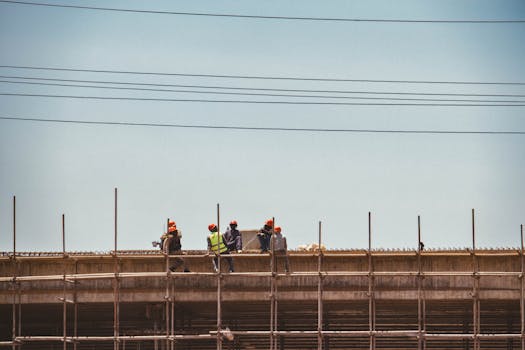
A Scaffolder puts up and takes down temporary metal structures that workers stand on to build or repair tall buildings. It requires good head for heights and teamwork.
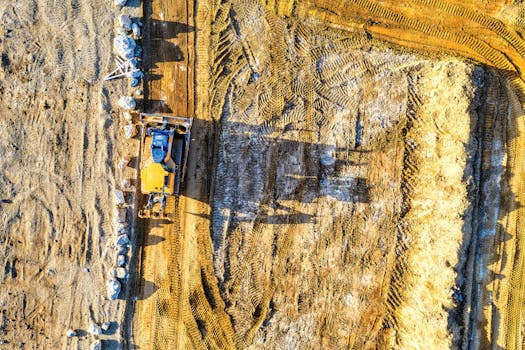
A Groundworker prepares the site before construction starts, laying foundations, drainage systems, and preparing surfaces for roads and paths. They are vital for the start of any project.
Explore relevant apprenticeships that can help you kickstart your career in General Construction Operative. Apprenticeships offer hands-on experience and training while earning a wage.
This page showcases various career options and the pathways to reach them. Each career listed here shares transferable skills and knowledge, making it easier for individuals to transition between them.
Your current career is highlighted to help you see how it fits into the broader landscape of potential career choices. By clicking on any career, you can learn more about it, including the training and education required to pursue it.
Remember, progressing in your career often involves further learning and training. This page provides insights into future career options as well as those that can lead up to your current one.
These career progression decisions are informed by comparing the skills and knowledge needed for different occupations, along with data on how people move between them. Explore the possibilities and discover the exciting journey ahead in your career!
A General Construction Operative typically performs a variety of manual tasks on a construction site, assisting skilled tradespersons and ensuring the site runs smoothly. This closely aligns with the duties of a Construction labourer, which involves general manual work and support on construction projects.
You can get into this job through:
You could take a college course in construction skills or construction operations.
Courses like these may help you when applying for jobs.
Entry requirements for these courses vary.
You could apply to do a Level 2 Intermediate Apprenticeship with a construction firm.
Apprenticeship examples include:
You'll usually need:
You can apply directly for jobs. There are no set requirements but it may help if you have:
You may need your own safety boots, hard hat and hi-viz top, though some employers will supply these.
You can find out more about working in construction from:
Explore other careers or use our AI to discover personalised paths based on your interests.
Address
Developing Experts Limited
Exchange Street Buildings
35-37 Exchange Street
Norwich
NR2 1DP
UK
Phone
01603 273515
Email
[email protected]
Copyright 2026 Developing Experts, All rights reserved.

Unlock expert-designed lessons, resources, and assessments tailored for educators. No credit card required.
Claim Your Free Trial →