

Creating Career Path...

Finding Further Careers...

Solar Panel Installer

View this career for different education levels:

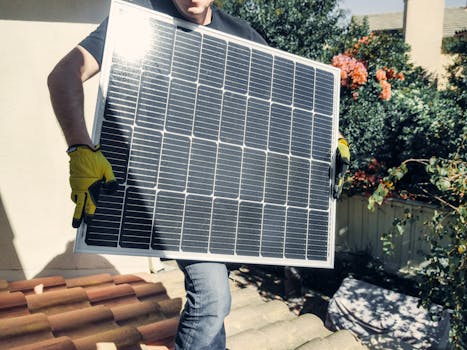
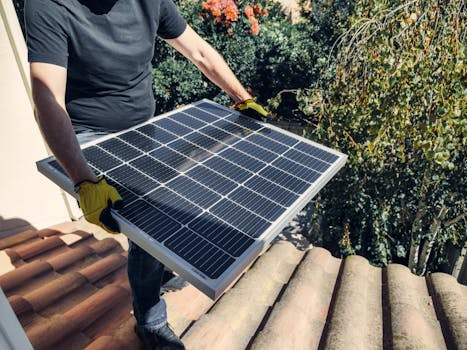
A Solar Panel Installer, often referred to as a Solar PV Installer, is a skilled tradesperson responsible for the assembly, installation, and maintenance of solar photovoltaic (PV) systems on residential, commercial, or industrial buildings across the UK. This career involves a blend of practical construction skills, electrical knowledge, and an understanding of renewable energy technology. Your daily tasks could range from conducting site surveys and assessing a property's suitability for solar panels, to physically mounting panels onto roofs or ground arrays, connecting wiring to inverters and the main electrical supply, and ensuring the system is operating efficiently and safely. You'd be working at heights, often outdoors in various weather conditions, and need to adhere strictly to health and safety regulations, as well as building and electrical codes. The role requires good problem-solving skills, attention to detail, and the ability to work effectively as part of a team. Beyond the physical installation, a Solar Panel Installer also performs crucial diagnostic checks, troubleshoots any issues that arise during or after installation, and provides basic customer service, explaining how the system works and how to maintain it. As the UK pushes towards its net-zero emissions targets, the demand for skilled professionals in this field is rapidly expanding, offering a dynamic and environmentally conscious career path. Training often involves specific vocational qualifications in electrical installation or renewable energy, alongside on-the-job experience.

Solar Panel Installer

Flag Media

Please select a reason for flagging this content.

📊 Statistics

Average Salary Range

Starting salaries for Solar Panel Installers in the UK typically range from 22,000 to 28,000 per annum for entry-level roles. Experienced installers can earn between 30,000 and 40,000, with highly skilled or supervisory roles potentially exceeding 45,000.

Job Growth and Demand

The renewable energy sector in the UK is experiencing significant growth. The number of jobs in the solar PV industry alone is projected to increase steadily, driven by government net-zero targets and increasing consumer adoption of solar technology. Specific figures for installer roles are harder to pinpoint, but the overall sector is expected to see a 10-15% increase in employment opportunities over the next five years.

Working Hours

Most Solar Panel Installers work standard full-time hours, typically 37-40 hours per week, Monday to Friday. However, project demands, weather conditions, and travel to sites may sometimes require flexibility, including earlier starts, later finishes, or occasional weekend work.

🚀 Careers in this path

Flag Media

Please select a reason for flagging this content.

Rooftop Solar PV Electrician

Specialises in the electrical installation, wiring, and commissioning of solar photovoltaic (PV) systems specifically on residential and commercial rooftops. This role often involves working at heights, connecting panels to inverters, and ensuring electrical compliance with UK regulations.

Flag Media

Please select a reason for flagging this content.

Ground Mount Solar PV Technician

Focuses on the installation, maintenance, and repair of large-scale ground-mounted solar PV arrays, typically found in solar farms or larger commercial sites. This can involve erecting support structures, laying cabling, and connecting thousands of panels, often using heavy machinery.

Flag Media

Please select a reason for flagging this content.

Solar Thermal Installer

Concentrates on fitting and maintaining solar thermal (hot water) systems, which use the sun's energy to heat water rather than generate electricity. This involves plumbing work to connect solar collectors to hot water cylinders and integrating them into existing domestic or commercial heating systems.

Build Your Foundation

Gain Relevant Qualifications

Start by acquiring foundational knowledge and practical skills through vocational training or apprenticeships related to electrical work or renewable energy.

Look for Level 2 or Level 3 NVQs or diplomas in Electrical Installations, Building Services Engineering, or Renewable Energy Technologies. A common route is to complete an apprenticeship as an electrician, which provides a comprehensive understanding of electrical systems, before specialising in solar PV. Some colleges offer specific courses in solar PV installation that cover health and safety, electrical principles for PV, and practical installation techniques. Consider courses such as the EAL Level 3 Award in the Installation and Maintenance of Small Scale Solar Photovoltaic Systems or similar.

Focus on Health & Safety

Health and safety are paramount in construction. Obtain essential certifications like the CSCS card and develop a strong understanding of site safety.

All construction sites require a valid CSCS (Construction Skills Certification Scheme) card. You'll need to pass the CITB Health, Safety and Environment Test to apply for this. Additionally, specific training in working at heights, manual handling, and asbestos awareness is often beneficial and sometimes mandatory, given the nature of rooftop work. Familiarise yourself with UK health and safety regulations, particularly the Work at Height Regulations 2005 and general construction site safety protocols.

Develop Practical Skills

Seek opportunities to develop hands-on skills in tool use, measurement, and basic electrical wiring.

This could involve part-time work, volunteering, or personal projects. Practical experience with power tools, hand tools, and measuring equipment is crucial. Understanding how to safely handle and connect electrical components, even at a basic level, will be highly beneficial. If you're undertaking an apprenticeship or college course, actively engage in practical workshops and seek out additional opportunities to practice your skills.

Specialise in Solar PV

Complete Solar PV Training

Undertake specialist training specifically for the installation of solar photovoltaic (PV) systems.

Once you have a good electrical foundation, enrol in accredited courses focused on solar PV installation. Look for certifications recognised by industry bodies, such as MCS (Microgeneration Certification Scheme) requirements. These courses will cover topics like understanding PV system components, wiring and connection methods, inverter technology, battery storage integration, fault finding, and MCS installation standards. Key qualifications include the City & Guilds 2399-01 (Installation of Small Scale Solar Photovoltaic Systems) or the BPEC Solar PV qualification.

Understand Electrical Regulations

Gain a thorough understanding of relevant electrical regulations and standards that apply to solar PV installations.

It is crucial to be familiar with the latest IET Wiring Regulations (BS 7671) as they apply to PV installations. This includes understanding earthing requirements, circuit protection, isolation procedures, and safe electrical practices. Knowledge of Part P of the Building Regulations, which covers electrical safety in dwellings, is also essential. Staying updated with amendments and new editions of these regulations is vital for compliant and safe installations.

Master Working at Heights

Develop advanced skills and certifications for safe working practices on rooftops and at elevated positions.

Solar panel installation frequently involves working on roofs. Obtain specific certifications for working at heights, including fall arrest and rescue training. Learn how to safely erect scaffolding (or work with scaffolders), use roof ladders, harness systems, and other access equipment. Understanding risk assessments for working at height and implementing control measures are crucial to prevent accidents and ensure a safe working environment for yourself and your team.

Enter the Industry & Grow

Seek Entry-Level Positions

Apply for roles as a Trainee Solar Panel Installer or Junior PV Technician to gain practical on-the-job experience.

Look for job vacancies with renewable energy companies, electrical contractors specialising in solar, or dedicated solar installation firms. Highlight your qualifications, health and safety certifications, and any practical experience you have. Be prepared to start as part of a team, assisting experienced installers, learning the practicalities of site work, system commissioning, and customer interaction. Networking at industry events or with training providers can also open doors.

Gain On-Site Experience

Actively participate in various solar PV projects to build a comprehensive portfolio of practical skills and knowledge.

Work on different types of installations – residential, commercial, ground-mounted, and various roofing materials. This will expose you to different challenges and solutions. Focus on learning about system design variations, common installation issues, troubleshooting, and best practices. Pay attention to efficient workflow, quality control, and adherence to installation standards. This hands-on experience is invaluable for developing your proficiency and confidence.

Pursue Continuous Professional Development

Stay updated with evolving technology, regulations, and advanced techniques in the rapidly changing solar industry.

The renewable energy sector is constantly innovating. Attend workshops, seminars, and manufacturer training sessions on new panel technologies, inverter advancements, battery storage systems, and smart home integration. Consider further qualifications in areas like electric vehicle charging point installation, energy storage systems, or even system design to broaden your expertise. Continuous learning ensures you remain competitive and knowledgeable in a dynamic industry.

🎯 View Apprenticeships

Explore relevant apprenticeships that can help you kickstart your career in Solar Panel Installer. Apprenticeships offer hands-on experience and training while earning a wage.

Career Progressions

This page showcases various career options and the pathways to reach them. Each career listed here shares transferable skills and knowledge, making it easier for individuals to transition between them.

Your current career is highlighted to help you see how it fits into the broader landscape of potential career choices. By clicking on any career, you can learn more about it, including the training and education required to pursue it.

Remember, progressing in your career often involves further learning and training. This page provides insights into future career options as well as those that can lead up to your current one.

These career progression decisions are informed by comparing the skills and knowledge needed for different occupations, along with data on how people move between them. Explore the possibilities and discover the exciting journey ahead in your career!

Sample Qualifications

The user's input career 'Solar Panel Installer' is an exact match for the official job title 'Solar panel installer' provided in the list, directly reflecting the primary duty of installing solar panels.

How to become

You can get into this job through:

  • a college course
  • an apprenticeship
  • working towards this role
  • applying directly

College

You’ll usually need an electrical qualification to work as an installer.

You could do a college course to get some of the technical knowledge and skills that may help you get onto an apprenticeship, or to find a trainee installer position with a company.

Courses include:

  • electrical installation
  • electronic and electrical engineering
  • electrical wiring regulations (18th edition)
  • T Level in Building Services Engineering for Construction

You may also need to complete a short course on the installation and maintenance of solar photovoltaic (PV) systems, depending on your experience and any existing qualifications you hold.

Entry requirements

Entry requirements for these courses vary.

More Information

Apprenticeship

You could apply to do an apprenticeship with an installation or construction company, such as:

  • Building Services Engineering Level 2 Foundation Apprenticeship
  • Installation and Maintenance Electrician Level 3 Advanced Apprenticeship

Foundation apprenticeship

You can apply for a foundation apprenticeship if you're aged 16 to 21.

If you're aged 22 to 24, you can apply if you:

Entry requirements

You'll usually need:

  • no specific qualifications or experience to apply for a foundation apprenticeship
  • 5 GCSEs at grades 9 to 4 (A* to C), or equivalent, including English and maths, for an advanced apprenticeship

More Information

Work

You could start as an installation labourer, working with qualified installers, and do training on the job with the support of your employer.

If you’re a qualified electrician you could take a short training course in the installation and maintenance of small solar photovoltaic (PV) systems. This would allow you to fit solar panels and connect them to a building's electrical mains network.

You could take solar PV training to fit solar panels to buildings if you’re a qualified roofer. You'll still need to work with an electrician to connect the panels to a building’s power system.

Check with training providers to find out about the courses they offer and which might be best for you.

Direct Application

You could apply directly for jobs if you have experience and qualifications in electrical installation and maintenance.

More Information

Registration

Career tips

You can demonstrate that you work to industry quality standards by applying to have your installation skills recognised through the Microgeneration Certification Scheme (MCS).

You can also extend this to other renewable technologies, like solar heating, battery storage and heat pumps, if you work in those areas.

Further information

You can find out more about how to become a solar panel installer from:

Interested in More Career Paths?

Explore other careers or use our AI to discover personalised paths based on your interests.

Stay connected

Join our newsletter to stay up to date on features and releases

Address
Developing Experts Limited
Exchange Street Buildings
35-37 Exchange Street
Norwich
NR2 1DP
UK

Phone
01603 273515

Email
[email protected]

Copyright 2026 Developing Experts, All rights reserved.