

Creating Career Path...

Finding Further Careers...

Solar Panel Installer

View this career for different education levels:

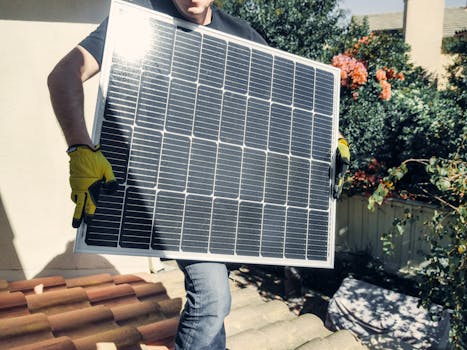
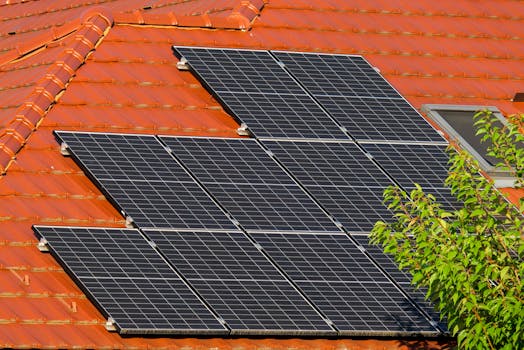
Imagine helping houses and buildings make their own electricity from the sun! That is what a Solar Panel Installer does. They carefully put special panels, called solar panels, onto roofs or other sunny spots. These panels are like big clever sponges that soak up sunshine and turn it into power for lights, TVs, and computers. It is a really important job because it helps us use less electricity from big power stations and get our energy from nature instead. You would need to be good at working with your hands, enjoy being outdoors, and be very careful to make sure everything is safe and works perfectly. Solar Panel Installers learn all about how electricity works and how to safely put the panels up. They check the roof to make sure it is strong enough, connect all the wires, and make sure the panels are facing the sun in the best way. Sometimes they work in teams, lifting the panels up and securing them tightly. They also explain to people how their new solar panels work. It is a very rewarding job because you are helping to make the world a greener place for everyone.

Solar Panel Installer

Flag Media

Please select a reason for flagging this content.

📊 Statistics

Average Starting Salary

A new Solar Panel Installer in the UK might earn around 20,000 to 25,000 pounds a year when they are just starting out.

Experienced Salary Range

With more experience, a Solar Panel Installer can earn between 28,000 to 40,000 pounds or even more each year.

Job Growth

The number of jobs for people who install solar panels is growing quite quickly in the UK, as more and more homes and businesses want to use clean energy.

🚀 Careers in this path

Flag Media

Please select a reason for flagging this content.

Rooftop Solar Helper

Imagine helping to put special sun-catching panels on the roofs of houses so they can make their own electricity from the sun. You'd learn about how to keep everyone safe and use tools carefully.

Flag Media

Please select a reason for flagging this content.

Solar Farm Builder

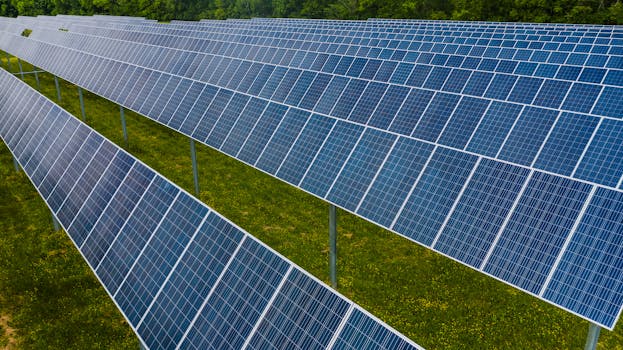
Instead of just houses, think about big fields filled with lots and lots of solar panels. You could help build these 'solar farms' that make power for whole towns! It's like putting together a giant puzzle.

Flag Media

Please select a reason for flagging this content.

Solar Panel Cleaner

Even sun-catching panels need to be clean to work their best! You could be the person who makes sure they're sparkly clean so they can soak up all the sunshine and turn it into electricity for homes and schools.

Learning the Basics

Be Curious About How Things Work

Start by being interested in how things are built and how electricity works. Ask questions about solar panels if you see them!

When you're at school, pay attention in subjects like science and design and technology. These lessons can teach you about electricity, circuits, and how different materials work together. You could also watch simple videos online about how solar panels turn sunlight into power, or ask an adult to explain it to you. Learning these basic ideas now will make bigger concepts easier to understand later.

Build and Create

Have fun building things with LEGO, blocks, or even making models out of cardboard. This helps you understand how things fit together.

Building models, whether it's with construction toys like LEGO, Meccano, or even craft materials like cardboard boxes, helps you develop important skills. You'll learn about planning, following instructions (or making your own!), and how to solve problems when pieces don't quite fit. These are all useful skills for someone who will be putting together solar panels on a roof.

Learn About Safety

It's super important to be safe when working on roofs or with electricity. Learn about staying safe and following rules.

Even as a child, you can start learning about safety rules, like not touching electrical sockets, always asking an adult before using tools, and being careful when climbing. When you're older, you'll learn specific safety rules for working with tools, on roofs, and with electricity, which are all part of being a solar panel installer. Understanding why rules are important helps keep everyone safe.

Growing Your Skills

Excel in School Subjects

When you get a bit older, focus on subjects like Maths, Science, and Design and Technology at school.

Maths will help you understand measurements, angles for placing panels, and calculations for electricity. Science will teach you about energy, light, and how solar panels actually work. Design and Technology will give you hands-on experience with tools and understanding how things are built. These subjects are really important foundation blocks for a career in solar installation.

Explore Practical Hobbies

Join clubs or do hobbies where you get to use your hands, build things, or fix things. This could be anything from model making to gardening.

Hobbies that involve practical skills, like woodworking, fixing bikes, or even helping with DIY projects around the house, are excellent for developing your manual dexterity and problem-solving abilities. You'll learn how to use simple tools safely and effectively, which is a great start for a job that requires working with different equipment and materials.

Consider a College Course or Apprenticeship

After school, you could go to college to learn more about construction or electricity, or start an apprenticeship.

An apprenticeship is a fantastic way to learn by doing. You'd work with experienced solar panel installers, learning on the job while also studying. College courses, like a BTEC in Construction or Electrical Installation, can give you a strong theoretical understanding and practical skills before you start working. Both paths lead to becoming a qualified installer.

Becoming an Expert Installer

Get Qualified

You'll need special qualifications to show you know how to install solar panels safely and correctly.

To become a certified solar panel installer in the UK, you'll typically need to complete vocational qualifications, such as an NVQ Level 2 or 3 in Renewable Energy Technology or an Electrotechnical qualification. Specific certifications like the MCS (Microgeneration Certification Scheme) installer certification are also highly valued and often required, showing you can install systems to a high standard. These qualifications prove you have the necessary knowledge and skills.

Gain Experience

Work with a company that installs solar panels. You'll learn lots of tricks and tips from experienced people.

Starting as a trainee or an apprentice with an established solar installation company is crucial. This hands-on experience will teach you everything from how to safely climb and work on roofs, to wiring panels, connecting them to the electrical system, and understanding different types of solar technology. Each job site provides new challenges and learning opportunities.

Keep Learning About New Technology

Solar technology is always changing, so keep reading and learning about new panels and ways to use the sun's power.

The world of renewable energy is constantly evolving! New, more efficient solar panels are developed, and new battery storage systems or smart home integration technologies emerge. Staying updated by attending workshops, reading industry magazines, and taking advanced courses will ensure you remain an expert in your field and can offer the best solutions to customers. This continuous learning is key to a long and successful career in solar installation.

🎬 Useful Videos

🎯 View Apprenticeships

Explore relevant apprenticeships that can help you kickstart your career in Solar Panel Installer. Apprenticeships offer hands-on experience and training while earning a wage.

Career Progressions

This page showcases various career options and the pathways to reach them. Each career listed here shares transferable skills and knowledge, making it easier for individuals to transition between them.

Your current career is highlighted to help you see how it fits into the broader landscape of potential career choices. By clicking on any career, you can learn more about it, including the training and education required to pursue it.

Remember, progressing in your career often involves further learning and training. This page provides insights into future career options as well as those that can lead up to your current one.

These career progression decisions are informed by comparing the skills and knowledge needed for different occupations, along with data on how people move between them. Explore the possibilities and discover the exciting journey ahead in your career!

Sample Qualifications

The input career 'Solar Panel Installer' directly matches the official job title 'Solar panel installer', as both describe the same specific occupation involving the installation of solar panels.

How to become

You can get into this job through:

  • a college course
  • an apprenticeship
  • working towards this role
  • applying directly

College

You’ll usually need an electrical qualification to work as an installer.

You could do a college course to get some of the technical knowledge and skills that may help you get onto an apprenticeship, or to find a trainee installer position with a company.

Courses include:

  • electrical installation
  • electronic and electrical engineering
  • electrical wiring regulations (18th edition)
  • T Level in Building Services Engineering for Construction

You may also need to complete a short course on the installation and maintenance of solar photovoltaic (PV) systems, depending on your experience and any existing qualifications you hold.

Entry requirements

Entry requirements for these courses vary.

More Information

Apprenticeship

You could apply to do an apprenticeship with an installation or construction company, such as:

  • Building Services Engineering Level 2 Foundation Apprenticeship
  • Installation and Maintenance Electrician Level 3 Advanced Apprenticeship

Foundation apprenticeship

You can apply for a foundation apprenticeship if you're aged 16 to 21.

If you're aged 22 to 24, you can apply if you:

Entry requirements

You'll usually need:

  • no specific qualifications or experience to apply for a foundation apprenticeship
  • 5 GCSEs at grades 9 to 4 (A* to C), or equivalent, including English and maths, for an advanced apprenticeship

More Information

Work

You could start as an installation labourer, working with qualified installers, and do training on the job with the support of your employer.

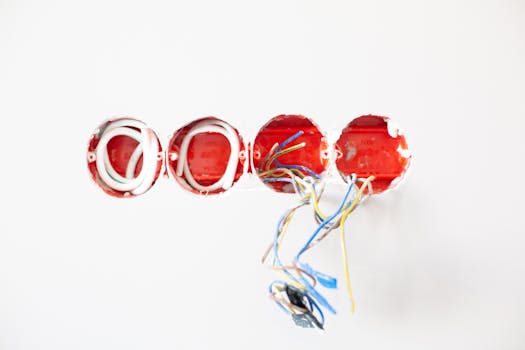
If you’re a qualified electrician you could take a short training course in the installation and maintenance of small solar photovoltaic (PV) systems. This would allow you to fit solar panels and connect them to a building's electrical mains network.

You could take solar PV training to fit solar panels to buildings if you’re a qualified roofer. You'll still need to work with an electrician to connect the panels to a building’s power system.

Check with training providers to find out about the courses they offer and which might be best for you.

Direct Application

You could apply directly for jobs if you have experience and qualifications in electrical installation and maintenance.

More Information

Registration

Career tips

You can demonstrate that you work to industry quality standards by applying to have your installation skills recognised through the Microgeneration Certification Scheme (MCS).

You can also extend this to other renewable technologies, like solar heating, battery storage and heat pumps, if you work in those areas.

Further information

You can find out more about how to become a solar panel installer from:

Interested in More Career Paths?

Explore other careers or use our AI to discover personalised paths based on your interests.

Stay connected

Join our newsletter to stay up to date on features and releases

Address
Developing Experts Limited
Exchange Street Buildings
35-37 Exchange Street
Norwich
NR2 1DP
UK

Phone
01603 273515

Email
[email protected]

Copyright 2026 Developing Experts, All rights reserved.