




Creating Career Path...

Finding Further Careers...

UX Designer

View this career for different education levels:

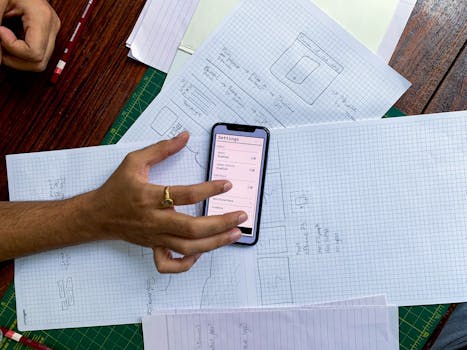
Imagine you are using a new app or website, and it is really easy and enjoyable to use. That is thanks to a UX Designer! UX stands for User Experience, and these designers make sure that digital products like websites, apps, and software are simple, useful, and pleasant for people to interact with. They think about how users will feel and what they will need when using a product. A UX Designer spends time understanding who the users are and what problems they are trying to solve. They do this by talking to people, doing research, and testing ideas. Then, they design how a product should work, creating things like wireframes (simple outlines) and prototypes (early versions) to show their ideas. They work closely with other designers and computer programmers to bring their designs to life, always focusing on making the user's journey as smooth and happy as possible.

UX Designer

Flag Media

Please select a reason for flagging this content.

📊 Statistics

Average UK Salary

Starting salaries for Junior UX Designers in the UK are typically around 25,000 to 35,000 pounds per year. Experienced UX Designers can earn between 45,000 to 70,000 pounds, while senior roles might reach 75,000 pounds or more.

Job Growth in the UK

The demand for UX Designers in the UK is growing steadily, with many new job openings appearing each year across various industries. This career is becoming increasingly important as more businesses move online.

Key Skills

Important skills for a UX Designer include creativity, problem solving, communication, empathy (understanding other peoples feelings), and a good understanding of technology and design tools.

🚀 Careers in this path

Flag Media

Please select a reason for flagging this content.

Junior Web Designer

This is a great starting point where you could help make websites look good and easy to use. You might choose colours, fonts, and where things go on a page so people can find what they need easily. It's like being an architect for websites.

Flag Media

Please select a reason for flagging this content.

App Interface Creator

If you love using apps on your phone or tablet, this could be for you! You would design how apps look and feel, making sure they are fun and simple for people to use. You would think about buttons, menus, and how people move through the app.

Flag Media

Please select a reason for flagging this content.

Game User Experience Tester

Imagine playing computer games and giving ideas on how to make them more enjoyable and easier to understand for other players. You would help ensure the game's menus are clear, the controls make sense, and the overall experience is really fun.

Build a Strong Foundation

Explore Design Basics

Start by understanding what good design looks like. Look at websites and apps you enjoy using and think about why they are easy to navigate.

You can find lots of free resources online, like blogs, YouTube videos, and even introductory courses that explain what user experience (UX) design is all about. Pay attention to how different apps or websites guide you through a task, like buying something or finding information. What makes some easier to use than others? This early exploration helps you develop a 'designer's eye' and spot good (and bad) design in your everyday life.

Develop Digital Skills

Get comfortable with computers and basic software. Learning how to use tools for drawing, creating presentations, and even simple coding can be really helpful.

UX designers often use digital tools to create their designs. You don't need to be an expert coder, but understanding how websites and apps are built can be a big advantage. Try experimenting with graphic design software like Canva or even free tools like Figma (which is very popular in UX design) to create simple layouts or drawings. Playing around with these tools will help you get used to creating things digitally and understanding how different elements fit together on a screen.

Practice Problem Solving

UX design is all about solving problems for users. Try to think about everyday issues and how technology could make them better.

Think about things that annoy you or your friends when using apps or websites. For example, 'Why is it so hard to find the menu in this game?' or 'I wish this shopping app remembered my favourite colours.' Then, try to imagine a better way. How would you design it to make it easier or more enjoyable? This way of thinking is at the heart of UX design and helps you develop crucial problem-solving skills, which you'll use every day as a designer.

Gain More Specific Knowledge

Choose Relevant Subjects

In secondary school, pick subjects like Art & Design, Computer Science, Psychology, or Media Studies if they are available and interest you.

Subjects like Art & Design will help you understand visual communication, layout, and aesthetics, which are all part of a good user interface. Computer Science can give you a basic understanding of how software works. Psychology helps you understand human behaviour and how people think, which is crucial for designing for users. Media Studies can teach you about how information is presented and consumed. These subjects won't make you a UX designer straight away, but they will build a strong foundation of skills and knowledge that are very relevant to the field.

Explore Further Education Options

After secondary school, consider a college course or university degree in a related field like Graphic Design, Web Design, Human-Computer Interaction, or Digital Media.

Many universities and colleges offer specific degrees in UX Design or related areas. These courses will teach you the theories, tools, and processes used by professional UX designers. You'll learn about user research, wireframing, prototyping, and testing. If a dedicated UX course isn't available, degrees in graphic design, interactive media, or even psychology with a focus on human behaviour can be excellent pathways. Look at the course content to see how much it focuses on user experience and digital product design.

Build a Portfolio

Start creating projects that show off your design skills. This could be redesigning an app, creating a website, or even designing a board game.

A portfolio is like a show-and-tell of your best work. It's how future employers will see what you can do. You can start with school projects, personal projects, or even mock designs. For example, try to redesign a local shop's website to make it easier to navigate, or imagine a new app for managing homework. Even if you don't use professional tools yet, showing your thought process and how you solved a design problem is really important. Your portfolio will grow and improve as you gain more skills and experience.

Start Your Career

Gain Work Experience

Look for internships, volunteer opportunities, or entry-level roles that allow you to apply your design skills in a real-world setting.

Getting practical experience is incredibly valuable. Internships with design agencies or tech companies can give you a taste of what it's like to work as a UX designer and let you contribute to real projects. Even volunteering to help a local charity or small business with their website can provide great experience for your portfolio. These opportunities help you learn from experienced designers, understand how teams work, and apply the skills you've learned in a professional environment, making you much more appealing to future employers.

Network with Professionals

Meet other designers, attend industry events, or join online communities. Learning from others and making connections can open doors.

Networking means connecting with people who work in the field you want to join. You can do this by attending local design meetups, conferences, or even joining online groups dedicated to UX design. Platforms like LinkedIn are also great for connecting with professionals. Don't be afraid to ask questions, learn from their experiences, and share your own journey. These connections can lead to mentorship, job opportunities, and valuable advice as you navigate your career path.

Continuously Learn and Adapt

The world of technology changes quickly, so keep learning about new tools, trends, and design methods.

UX design is a field that is always evolving. New software tools, design principles, and user behaviours emerge all the time. To stay ahead, make sure you're always learning. Read design blogs, watch tutorials, take online courses, and experiment with new technologies. Showing that you are eager to learn and can adapt to change is a highly valued trait in any tech role, and especially in design. This continuous learning will help you grow your skills and remain an effective and sought-after designer throughout your career.

🎬 Useful Videos

🎯 View Apprenticeships

Explore relevant apprenticeships that can help you kickstart your career in UX Designer. Apprenticeships offer hands-on experience and training while earning a wage.

Career Progressions

This page showcases various career options and the pathways to reach them. Each career listed here shares transferable skills and knowledge, making it easier for individuals to transition between them.

Your current career is highlighted to help you see how it fits into the broader landscape of potential career choices. By clicking on any career, you can learn more about it, including the training and education required to pursue it.

Remember, progressing in your career often involves further learning and training. This page provides insights into future career options as well as those that can lead up to your current one.

These career progression decisions are informed by comparing the skills and knowledge needed for different occupations, along with data on how people move between them. Explore the possibilities and discover the exciting journey ahead in your career!

Sample Qualifications

The input career 'UX Designer' is an exact match for 'User experience (UX) designer' from the provided list, as both terms refer to the same specialised design discipline focusing on user satisfaction and usability.

How to become

You can get into this job through:

  • a university course
  • a college course
  • an apprenticeship
  • applying directly

University

You could do a higher national diploma, degree or postgraduate award in:

  • UX design
  • product design
  • graphic design
  • human computer interaction (HCI)
  • digital media and web design

Entry requirements

You'll usually need:

  • 1 or 2 A levels, or equivalent, for a higher national diploma
  • 2 to 3 A levels, or equivalent, for a degree
  • a degree in a relevant subject for postgraduate study

More Information

College

You could do a college course, which may lead on to more advanced qualifications, or help you to get a trainee position with a company.

Courses include:

  • digital media design
  • digital product design
  • T Level in Digital Software Development

Entry requirements

Entry requirements for these courses vary.

  • 4 or 5 GCSEs at grades 9 to 4 (A* to C), or equivalent, including English and maths for a T Level

More Information

Apprenticeship

You could apply to do a Digital User Experience (UX) Professional Level 6 Degree Apprenticeship.

You may also find a Digital Accessibility Specialist Level 4 Higher Apprenticeship useful for this job.

Entry requirements

You'll usually need:

  • 4 or 5 GCSEs at grades 9 to 4 (A* to C) and A levels, or equivalent, for a higher or degree apprenticeship

More Information

Volunteering

If you're working in an organisation that conducts user research, you could get work experience by volunteering to help in research sessions and user interviews.

You could also get involved with the online user experience community for advice and tips, and to find a mentor to help you.

Direct Application

You can apply directly to companies or go through an agency that specialises in providing digital design professionals to clients.

You'll need qualifications and relevant experience to do this.

More Information

Career tips

You'll find it useful to have:

  • knowledge of coding like HTML , CSS and JavaScript so you can build wireframes and prototypes
  • experience of using design software like Adobe Creative Suite
  • an understanding of agile project development methods

It will also help if you have a portfolio to showcase examples of your work.

Further information

You can find out more about working as a user experience (UX) designer from techskills.

Interested in More Career Paths?

Explore other careers or use our AI to discover personalised paths based on your interests.

Stay connected

Join our newsletter to stay up to date on features and releases

Address
Developing Experts Limited
Exchange Street Buildings
35-37 Exchange Street
Norwich
NR2 1DP
UK

Phone
01603 273515

Email
[email protected]

Copyright 2026 Developing Experts, All rights reserved.