

Creating Career Path...

Finding Further Careers...

UX Designer

View this career for different education levels:

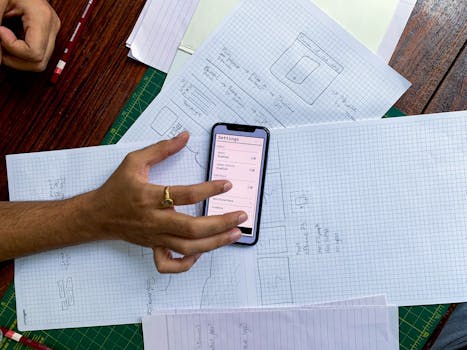
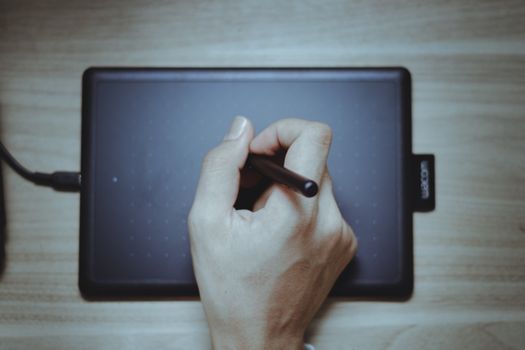
Imagine you are playing a game on a tablet or using a website to find a cool new toy. A UX Designer, which stands for User Experience Designer, is like a detective who makes sure that game or website is super easy and fun to use! They think about how people feel when they use something, making sure buttons are easy to find and the journey from one part of the app to another makes sense. They want to make sure everyone has a really good experience. A UX Designer will talk to people to understand what they like and dont like, draw pictures of how screens should look (these are called wireframes), and then test their ideas to see if they work well. Their main job is to make sure digital products, like apps and websites, are not just pretty, but also very helpful and simple for everyone to use. It is a bit like designing a playground where all the slides and swings are in the perfect spots for maximum fun and safety!

UX Designer

Flag Media

Please select a reason for flagging this content.

📊 Statistics

Average Salary

In the UK, a UX Designer can expect to earn around 45,000 pounds per year. This can be more for experienced designers.

Starting Salary

For someone just starting out as a Junior UX Designer, the salary might be around 28,000 to 35,000 pounds per year.

Number of Jobs

There are many UX Designer jobs available in the UK, especially in big cities like London, Manchester, and Bristol. This is a growing area in technology.

🚀 Careers in this path

Flag Media

Please select a reason for flagging this content.

App Creator

Imagine making a brand-new game or helpful tool for a phone or tablet. You'd think about what it looks like and how people use it, making sure it's super easy and fun for everyone.

Flag Media

Please select a reason for flagging this content.

Website Builder

You could design fun websites, like ones for your favourite cartoon characters or a local shop. You'd decide where all the pictures and buttons go so visitors can find everything easily.

Flag Media

Please select a reason for flagging this content.

Game Designer

This is like being the boss of a video game! You'd decide what the game looks like, how the characters move, and what special powers they have, making sure it's exciting and fair for players.

Learning About Design

Explore Your World

Look at things around you – your favourite apps, toys, or even a cereal box! What do you like about them? What makes them easy or tricky to use?

Start by being a detective for good and bad design! Notice how the buttons work on your tablet or how easy it is to find your favourite show on TV. Think about what makes something fun or frustrating. This helps you understand what 'user experience' really means for different products.

Draw Your Ideas

Grab some paper and crayons! Try drawing your own ideas for a new app, a toy, or even a redesigned classroom. Don't worry if it's not perfect, just have fun creating!

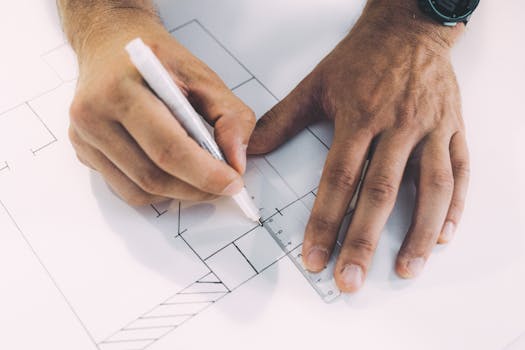
Sketching is a fantastic way to get your ideas out of your head and onto paper. You don't need to be an amazing artist; simple shapes and stick figures are great. This practice helps you think visually and communicate your thoughts to others, which is a big part of a UX Designer's job.

Play Design Games

There are lots of fun games and apps that teach you about design. Look for ones where you get to build things or solve puzzles about making things better for people.

Games like Minecraft or Roblox, where you build your own worlds and design spaces, can be brilliant for developing design thinking. There are also specific apps designed to teach basic coding or game design principles. These activities help you understand how different elements fit together to create a good experience.

Growing Your Skills

Use Online Tools

As you get older, you can try out simple online tools that real designers use. Some are free and let you draw pictures or make simple websites.

Platforms like Canva for simple graphic design, or even Google Slides/Docs for creating presentations and layouts, can introduce you to digital design tools. Later, you might explore free beginner versions of design software like Figma or Adobe XD, which are used by professionals to create website and app designs. Experimenting helps you get comfortable with digital creation.

Learn About People

A good UX Designer understands people. Pay attention to how your friends and family use things. Ask them what they like or don't like.

Understanding 'user behaviour' is key. This means watching how people interact with products and asking them questions. For example, if your grandparent finds a new phone tricky, try to understand why. Their feedback helps designers make things easier for everyone. Practising empathy – putting yourself in someone else's shoes – is a superpower for a UX Designer.

Build a Small Project

With a grown-up's help, try to design something small from start to finish. Maybe a new menu for your favourite restaurant or a website for your pet!

This could be a simple drawing of a new toy, a poster for a school event, or even a storyboard for a short animation. The idea is to go through the whole process: thinking of an idea, planning it out, creating it, and then showing it to someone to get their feedback. This mimics the real-world design process and helps you learn by doing.

Becoming a UX Designer

Study at College or University

After school, you might go to college or university to study subjects like Graphic Design, Web Design, or even Psychology to learn more about how people think.

Many UX designers study degrees related to design, human-computer interaction (HCI), or even psychology. These courses teach you advanced design principles, research methods, and how to use professional software. Look for courses that include practical projects and internships to gain real-world experience.

Build a Portfolio

As you learn, keep all your best design work together. This is called a 'portfolio' and it shows grown-up jobs what you can do.

A portfolio is a collection of your best design projects. It doesn't just show the final design, but also how you thought about the problem, what steps you took to solve it, and what you learned. Even school projects or personal designs can be included. This is super important when applying for jobs, as it demonstrates your skills and creative process.

Get Work Experience

Try to get experience by helping out with design projects, maybe for a small company or a charity. This helps you learn even more and meet other designers.

Internships, apprenticeships, or even volunteering your design skills for a local charity or school project are great ways to gain practical experience. This allows you to work on real-world problems, collaborate with a team, and understand how a design studio or company operates. It's also a fantastic way to network and meet other professionals in the field.

🎬 Useful Videos

🎯 View Apprenticeships

Explore relevant apprenticeships that can help you kickstart your career in UX Designer. Apprenticeships offer hands-on experience and training while earning a wage.

Career Progressions

This page showcases various career options and the pathways to reach them. Each career listed here shares transferable skills and knowledge, making it easier for individuals to transition between them.

Your current career is highlighted to help you see how it fits into the broader landscape of potential career choices. By clicking on any career, you can learn more about it, including the training and education required to pursue it.

Remember, progressing in your career often involves further learning and training. This page provides insights into future career options as well as those that can lead up to your current one.

These career progression decisions are informed by comparing the skills and knowledge needed for different occupations, along with data on how people move between them. Explore the possibilities and discover the exciting journey ahead in your career!

Sample Qualifications

The user's input 'UX Designer' is an exact match for 'User experience (UX) designer' from the provided list. Both terms refer to the same profession focused on enhancing user satisfaction by improving the usability, accessibility, and pleasure provided in the interaction with a product.

How to become

You can get into this job through:

  • a university course
  • a college course
  • an apprenticeship
  • applying directly

University

You could do a higher national diploma, degree or postgraduate award in:

  • UX design
  • product design
  • graphic design
  • human computer interaction (HCI)
  • digital media and web design

Entry requirements

You'll usually need:

  • 1 or 2 A levels, or equivalent, for a higher national diploma
  • 2 to 3 A levels, or equivalent, for a degree
  • a degree in a relevant subject for postgraduate study

More Information

College

You could do a college course, which may lead on to more advanced qualifications, or help you to get a trainee position with a company.

Courses include:

  • digital media design
  • digital product design
  • T Level in Digital Software Development

Entry requirements

Entry requirements for these courses vary.

  • 4 or 5 GCSEs at grades 9 to 4 (A* to C), or equivalent, including English and maths for a T Level

More Information

Apprenticeship

You could apply to do a Digital User Experience (UX) Professional Level 6 Degree Apprenticeship.

You may also find a Digital Accessibility Specialist Level 4 Higher Apprenticeship useful for this job.

Entry requirements

You'll usually need:

  • 4 or 5 GCSEs at grades 9 to 4 (A* to C) and A levels, or equivalent, for a higher or degree apprenticeship

More Information

Volunteering

If you're working in an organisation that conducts user research, you could get work experience by volunteering to help in research sessions and user interviews.

You could also get involved with the online user experience community for advice and tips, and to find a mentor to help you.

Direct Application

You can apply directly to companies or go through an agency that specialises in providing digital design professionals to clients.

You'll need qualifications and relevant experience to do this.

More Information

Career tips

You'll find it useful to have:

  • knowledge of coding like HTML , CSS and JavaScript so you can build wireframes and prototypes
  • experience of using design software like Adobe Creative Suite
  • an understanding of agile project development methods

It will also help if you have a portfolio to showcase examples of your work.

Further information

You can find out more about working as a user experience (UX) designer from techskills.

Interested in More Career Paths?

Explore other careers or use our AI to discover personalised paths based on your interests.

Stay connected

Join our newsletter to stay up to date on features and releases

Address
Developing Experts Limited
Exchange Street Buildings
35-37 Exchange Street
Norwich
NR2 1DP
UK

Phone
01603 273515

Email
[email protected]

Copyright 2026 Developing Experts, All rights reserved.