
Creating Career Path...

Finding Further Careers...

Nuclear Technician

View this career for different education levels:

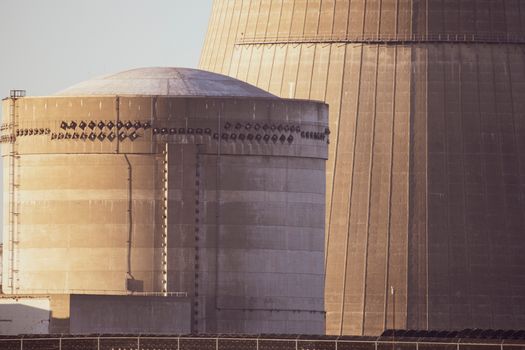
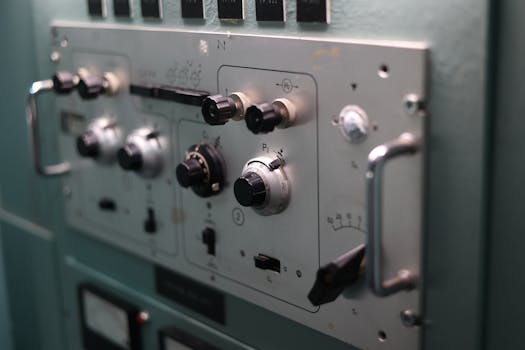
A Nuclear Technician in the UK plays a critical role in the operation, maintenance, and decommissioning of nuclear facilities, including power stations, research laboratories, and waste management sites. Your day-to-day could involve a wide range of tasks from monitoring control systems and performing routine checks on equipment to conducting preventative maintenance, fault finding, and repair work on complex machinery. This career demands meticulous attention to detail, a strong understanding of engineering principles, and an unwavering commitment to safety protocols. You'd typically work as part of a highly skilled team, ensuring that all operations adhere to strict regulatory standards and contribute to the safe and efficient running of the facility. Working as a Nuclear Technician offers a dynamic and intellectually stimulating environment where you'll be constantly learning and developing specialist skills. The sector is highly regulated, meaning there's a significant emphasis on training, continuous professional development, and adherence to rigorous safety standards. It's a career path that provides substantial job security and opportunities for advancement, given the long-term nature of nuclear projects in the UK. You might specialise in areas such as instrumentation and control, mechanical maintenance, electrical systems, or radiation protection, all contributing to the safe and reliable generation of power or processing of nuclear materials.

Nuclear Technician

Flag Media

Please select a reason for flagging this content.

📊 Statistics

Average Salary Range

The typical starting salary for a Nuclear Technician in the UK can be around 25,000 to 30,000 pounds. Experienced technicians with specialist skills can earn upwards of 40,000 to 55,000 pounds, with senior or supervisory roles potentially reaching 60,000 pounds or more.

Number of Positions

The nuclear industry in the UK employs tens of thousands of people across various roles. While specific numbers for 'Nuclear Technician' are hard to isolate, the sector has a consistent demand for skilled technicians, especially with new build projects, decommissioning efforts, and ongoing operations at existing power stations. There are often hundreds of vacancies across the sector at any given time for technical roles.

Entry Requirements

Most Nuclear Technician roles require a Level 3 (e.g., A-Levels, BTEC National Diploma in an engineering discipline) or a Level 4 qualification (e.g., HNC HND foundation degree) in a relevant engineering subject like mechanical, electrical, or nuclear engineering. Apprenticeship routes are also common and highly valued, providing practical experience alongside academic study.

🚀 Careers in this path

Flag Media

Please select a reason for flagging this content.

Nuclear Reactor Operator

Responsible for operating and monitoring nuclear reactors and associated equipment to ensure safe and efficient power generation. This role involves understanding complex systems, emergency procedures, and strict regulatory compliance.

Nuclear Decommissioning Engineer

Works on the safe and effective dismantling and clean-up of nuclear facilities once they cease operation. This includes managing radioactive waste, planning removal processes, and ensuring environmental protection.

Radiological Protection Technician

Monitors radiation levels, maintains safety equipment, and implements measures to protect workers and the public from radiation exposure. This role is crucial in nuclear power plants, research facilities, and medical settings.

Build Your Foundational Knowledge

Obtain Relevant Qualifications

Gain essential academic qualifications that provide a strong scientific and technical base for a career in nuclear technology.

Most entry-level Nuclear Technician roles in the UK will require a Level 3 qualification such as A-levels in STEM subjects (Maths, Physics, Chemistry) or a BTEC National Diploma in an engineering discipline. For a more comprehensive foundation, consider a Higher National Certificate (HNC) or Higher National Diploma (HND) in Electrical, Mechanical, or Nuclear Engineering. These qualifications will equip you with the fundamental principles of engineering and science necessary to understand nuclear processes and equipment.

Consider an Apprenticeship

Explore apprenticeships offered by nuclear companies as a direct route into the industry, combining work and study.

Many leading nuclear companies in the UK, such as EDF Energy, Magnox, and Sellafield Ltd, offer advanced or higher apprenticeships specifically designed for aspiring Nuclear Technicians. These programmes typically last 3-5 years and allow you to gain practical, on-the-job experience while studying for relevant qualifications (often HNC/HND or even a foundation degree). This is an excellent way to learn directly from experienced professionals and secure employment upon completion.

Develop Core Skills

Cultivate essential technical and soft skills crucial for success in a demanding and highly regulated environment.

Beyond academic qualifications, employers look for strong problem-solving abilities, attention to detail, and a meticulous approach to work, given the critical safety aspects of nuclear operations. Teamwork, communication, and the ability to follow complex procedures are also vital. Practical skills in areas like electronics, mechanics, or instrumentation gained through hobbies, part-time jobs, or college projects can be highly beneficial.

Gain Industry Experience & Specialisation

Secure an Entry-Level Role

Apply for junior or trainee technician positions to start gaining hands-on experience within a nuclear facility.

Look for trainee or assistant technician roles in nuclear power stations, decommissioning sites, or research facilities. These roles are designed for individuals new to the industry and will provide structured training under the supervision of experienced technicians. You'll learn about site-specific procedures, equipment operation, and safety protocols, building a solid foundation for your career progression.

Pursue Continuous Professional Development

Engage in ongoing training and certifications to expand your expertise and comply with industry standards.

The nuclear industry is highly regulated and constantly evolving. You'll need to regularly undertake mandatory health and safety training, radiation protection courses, and potentially specialised training in areas like non-destructive testing, instrumentation, or specific reactor technologies. Many companies support professional development by sponsoring relevant HNCs, HNDs, or even degree-level courses. Maintaining up-to-date knowledge is paramount for safety and career advancement.

Identify Specialisation Areas

Consider focusing on a specific area of nuclear technology such as operations, maintenance, or instrumentation.

As you gain experience, you'll naturally gravitate towards or be assigned to specific departments. Common specialisations include: Operations Technician (monitoring and controlling reactor systems), Maintenance Technician (mechanical, electrical, or instrumentation repair), or Health Physics Technician (monitoring radiation and ensuring safety). Specialising allows you to become an expert in a particular field, enhancing your value to employers and opening up more advanced roles.

Advance Your Career

Achieve Professional Registration

Work towards professional registration with an engineering institution to validate your skills and experience.

Consider working towards Incorporated Engineer (IEng) or Engineering Technician (EngTech) status with relevant professional bodies like the Institution of Mechanical Engineers (IMechE), Institution of Engineering and Technology (IET), or Nuclear Institute (NI). This involves demonstrating competence against a set of standards and often requires a combination of qualifications and significant work experience. Professional registration enhances your credibility and opens doors to more senior roles.

Take on Leadership Roles

Seek opportunities to lead teams, mentor junior staff, or manage projects within your department.

As you become more experienced, aim for roles such as Senior Nuclear Technician, Team Leader, or Supervisor. These positions involve overseeing the work of others, coordinating tasks, training new technicians, and taking on greater responsibility for safety and operational efficiency. Demonstrating leadership potential and strong interpersonal skills will be key to securing these roles.

Explore Further Education

Consider pursuing a degree to transition into more technical or management-focused engineering roles.

If you aspire to move beyond a technician role into an engineering or management position, completing a Bachelor's degree (BEng) or even a Master's (MEng) in Nuclear Engineering or a related field can be highly beneficial. Many employers offer support or flexible study options for staff looking to upskill. This academic progression can lead to roles as a Nuclear Engineer, Project Manager, or Safety Analyst.

🎬 Useful Videos

🎯 View Apprenticeships

Explore relevant apprenticeships that can help you kickstart your career in Nuclear Technician. Apprenticeships offer hands-on experience and training while earning a wage.

Career Progressions

This page showcases various career options and the pathways to reach them. Each career listed here shares transferable skills and knowledge, making it easier for individuals to transition between them.

Your current career is highlighted to help you see how it fits into the broader landscape of potential career choices. By clicking on any career, you can learn more about it, including the training and education required to pursue it.

Remember, progressing in your career often involves further learning and training. This page provides insights into future career options as well as those that can lead up to your current one.

These career progression decisions are informed by comparing the skills and knowledge needed for different occupations, along with data on how people move between them. Explore the possibilities and discover the exciting journey ahead in your career!

Sample Qualifications

The user's input 'Nuclear Technician' is an exact match for the official job title 'Nuclear technician' provided in the list. This role specifically involves working with nuclear systems and equipment, aligning perfectly with the job description implied by the user's input.

How to become

You can get into this job through:

  • a university course
  • a college course
  • an apprenticeship

University

You can do a foundation degree, higher national diploma or degree in:

  • nuclear engineering
  • electrical or electronic engineering
  • mechanical engineering
  • physics

Entry requirements

You'll usually need:

  • 1 or 2 A levels, or equivalent, for a foundation degree or higher national diploma
  • 2 to 3 A levels, or equivalent, for a degree

More Information

College

You can do a college course to learn some of the skills you'll need to become a nuclear technician. 

Courses include:

  • physics and maths
  • mechanical or electrical engineering
  • nuclear engineering and science
  • engineering maintenance

Entry requirements

Entry requirements for these courses vary.

More Information

Apprenticeship

To become a nuclear technician, you could apply for a place on a Nuclear Technician Level 5 Higher Apprenticeship.

You can also start a Maintenance and Operations Engineering Level 3 Advanced Apprenticeship then get further training on the job to work in nuclear facilities.

Entry requirements

You'll usually need:

  • 4 or 5 GCSEs at grades 9 to 4 (A* to C), or equivalent, including English, maths and science
  • 4 or 5 GCSEs at grades 9 to 4 (A* to C) and A levels, or equivalent, for a higher or degree apprenticeship

More Information

More Information

Career tips

You can find employers in each part of the country on the Nuclear Industry Association jobs map.

Further information

You can get details about working in the the nuclear industry through:

Interested in More Career Paths?

Explore other careers or use our AI to discover personalised paths based on your interests.

Stay connected

Join our newsletter to stay up to date on features and releases

Address
Developing Experts Limited
Exchange Street Buildings
35-37 Exchange Street
Norwich
NR2 1DP
UK

Phone
01603 273515

Email
[email protected]

Copyright 2026 Developing Experts, All rights reserved.