Creating Career Path...

Finding Further Careers...

Nuclear Technician

View this career for different education levels:

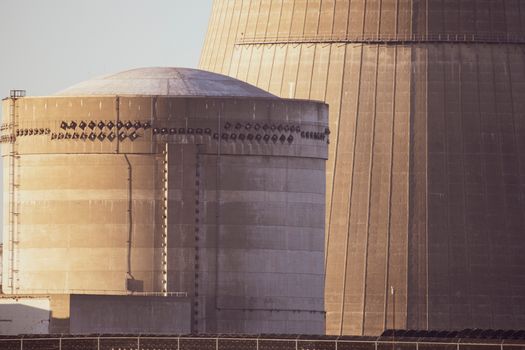
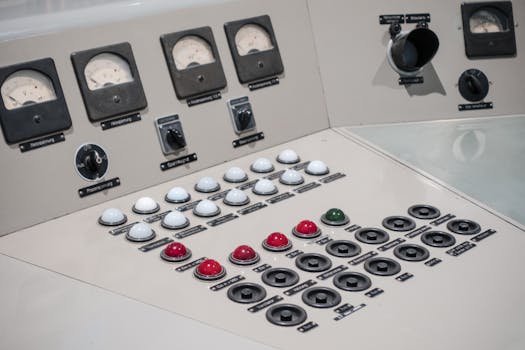
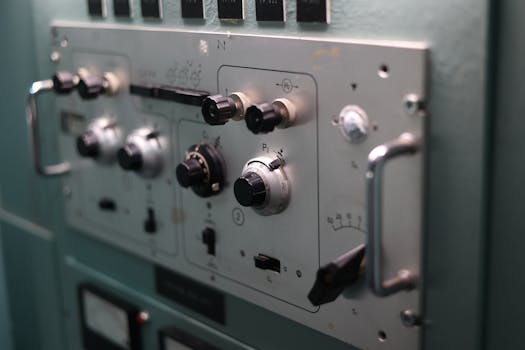
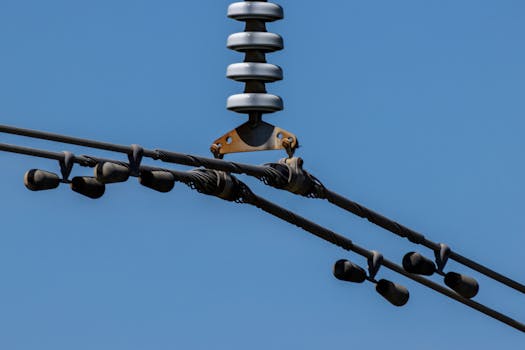
Imagine a very clever scientist who helps make sure that special energy, called nuclear energy, is used safely to make electricity for our homes and schools. That is a bit like what a Nuclear Technician does! They work in places like power stations where electricity is made, or in places where nuclear materials are looked after. Their job is super important because they help check all the machines, make sure everything is working correctly, and keep everyone safe. They might use special tools to measure things, read important instructions, and help with repairs. It is a job that needs lots of care and attention to detail, making sure everything is just right. Nuclear Technicians play a big part in making sure we have electricity for our lights and computers. They work in teams, often wearing special safety gear to protect themselves. They learn how to understand complicated systems and how to fix problems if they happen. It is a career that helps power the country and involves a lot of science and engineering to keep things running smoothly and safely for everyone.

Nuclear Technician

Flag Media

Please select a reason for flagging this content.

📊 Statistics

Average Starting Salary

A new Nuclear Technician in the UK might start earning around 25,000 to 30,000 pounds a year.

Experienced Salary

With more experience, a Nuclear Technician in the UK can earn between 35,000 to 50,000 pounds or even more each year.

Number of Jobs

There are hundreds of people working in nuclear roles across the UK, helping to keep our power stations safe and running. This number is expected to grow as old power stations are decommissioned and new energy technologies are explored.

🚀 Careers in this path

Flag Media

Please select a reason for flagging this content.

Power Station Operator Helper

Imagine a big power station that makes electricity for homes. A Power Station Operator Helper learns how to watch all the important machines and make sure they are working properly, like a careful monitor for the whole station. They help experienced operators keep everything running safely.

Radiation Safety Assistant

In places where special energy is used, it is very important to make sure everyone is safe. A Radiation Safety Assistant helps grown-ups check for 'invisible energy' to make sure it is at safe levels. They might use special tools, like a Geiger counter, to measure things and help keep everyone secure.

Science Experiment Helper

Many big scientists do experiments that use special materials. A Science Experiment Helper assists grown-ups in setting up and looking after these experiments. They might help prepare equipment or record numbers, learning all about how science works in a lab.

Learning at School

Study Science and Maths

Pay extra attention in your science and maths classes at school. These subjects will teach you about how things work and how to solve problems.

Understanding science helps you learn about atoms and energy, which is super important for nuclear power. Maths helps you with measurements and calculations to keep things safe and working. Try to do well in all your science lessons like physics and chemistry, and remember that practising your maths skills is really helpful.

Ask Questions and Explore

Don't be shy to ask your teachers questions about how electricity is made or what nuclear power is. Read books or watch safe videos about energy.

Asking questions helps you learn more and shows you're interested. You could ask your teacher if they know any cool facts about electricity or how power plants work. Look for books in the library about different types of energy, like wind, solar, and nuclear power, to see how they are all different and special.

Build and Create

Try building things at home with your parents, like LEGO sets, model cars, or simple circuits. This helps you understand how parts fit together.

Building things helps you learn problem-solving skills and how different components work together to make something whole. It's like being an engineer! You could try building a simple circuit with a battery, wires, and a light bulb to see how electricity flows, or build a complex LEGO set to understand instructions and assembly.

Further Study and Training

Get Good GCSEs

When you're a bit older, you'll need to do well in your GCSE exams, especially in science and maths. These are important steps for your future.

Good GCSE grades, particularly in subjects like Physics, Chemistry, and Maths, will show that you have a strong foundation for more advanced studies. These grades are like your tickets to getting into further education courses that will teach you specific skills for becoming a Nuclear Technician. Aim for the best grades you can achieve.

Consider A-Levels or College

After GCSEs, you could study A-Levels in subjects like Physics, Maths, or Engineering, or go to a college for a special course like a BTEC.

A-Levels give you a deeper understanding of academic subjects and are often needed for university. A BTEC National Diploma in Engineering or a related field at a college provides a more practical, hands-on approach and can also lead to great job opportunities or university. Both paths help you gain the knowledge needed for this career.

Apprenticeship or University

You could apply for an apprenticeship where you learn on the job and get paid, or go to university to study engineering or a science degree.

An apprenticeship is a brilliant way to learn practical skills directly from experienced people in a real nuclear power plant or related industry. You'll get hands-on experience and a qualification. Going to university for a degree in Nuclear Engineering, Electrical Engineering, or Physics would give you a strong theoretical background and open up many possibilities in the nuclear sector.

Starting Your Career

Apply for Entry-Level Jobs

Look for jobs at nuclear power stations or companies that support them, often called 'entry-level' jobs, meaning they're for people just starting out.

When you have your qualifications, start looking for jobs advertised online or through career services. These might be assistant roles or trainee positions where you can continue to learn and grow. Companies are often looking for keen individuals who are ready to learn and contribute to their teams. Make sure your CV shows off all your hard work and qualifications.

Gain Experience and Specialise

Once you have a job, learn as much as you can from your colleagues. You might even get to train in a special area, like checking machines or safety.

In your first job, listen carefully, ask questions, and be eager to take on new tasks. The more experience you gain, the more valuable you become. Over time, you might find an area you really love, like working with specific types of equipment, ensuring safety procedures, or managing waste. This specialisation can lead to more advanced and interesting roles.

Always Keep Learning

The nuclear world is always changing, so it's important to keep learning new things and updating your skills throughout your career.

Even as an experienced Nuclear Technician, there will always be new technologies, safety regulations, and ways of doing things. Attending training courses, workshops, and reading up on new developments will help you stay at the top of your game. This continuous learning ensures you are always skilled, safe, and ready for new challenges in your career.

🎬 Useful Videos

🎯 View Apprenticeships

Explore relevant apprenticeships that can help you kickstart your career in Nuclear Technician. Apprenticeships offer hands-on experience and training while earning a wage.

Career Progressions

This page showcases various career options and the pathways to reach them. Each career listed here shares transferable skills and knowledge, making it easier for individuals to transition between them.

Your current career is highlighted to help you see how it fits into the broader landscape of potential career choices. By clicking on any career, you can learn more about it, including the training and education required to pursue it.

Remember, progressing in your career often involves further learning and training. This page provides insights into future career options as well as those that can lead up to your current one.

These career progression decisions are informed by comparing the skills and knowledge needed for different occupations, along with data on how people move between them. Explore the possibilities and discover the exciting journey ahead in your career!

Sample Qualifications

The user's input, 'Nuclear Technician', directly matches the provided official job title. Both refer to professionals who operate and maintain equipment used in nuclear facilities, often under the supervision of nuclear engineers or physicists.

How to become

You can get into this job through:

  • a university course
  • a college course
  • an apprenticeship

University

You can do a foundation degree, higher national diploma or degree in:

  • nuclear engineering
  • electrical or electronic engineering
  • mechanical engineering
  • physics

Entry requirements

You'll usually need:

  • 1 or 2 A levels, or equivalent, for a foundation degree or higher national diploma
  • 2 to 3 A levels, or equivalent, for a degree

More Information

College

You can do a college course to learn some of the skills you'll need to become a nuclear technician. 

Courses include:

  • physics and maths
  • mechanical or electrical engineering
  • nuclear engineering and science
  • engineering maintenance

Entry requirements

Entry requirements for these courses vary.

More Information

Apprenticeship

To become a nuclear technician, you could apply for a place on a Nuclear Technician Level 5 Higher Apprenticeship.

You can also start a Maintenance and Operations Engineering Level 3 Advanced Apprenticeship then get further training on the job to work in nuclear facilities.

Entry requirements

You'll usually need:

  • 4 or 5 GCSEs at grades 9 to 4 (A* to C), or equivalent, including English, maths and science
  • 4 or 5 GCSEs at grades 9 to 4 (A* to C) and A levels, or equivalent, for a higher or degree apprenticeship

More Information

More Information

Career tips

You can find employers in each part of the country on the Nuclear Industry Association jobs map.

Further information

You can get details about working in the the nuclear industry through:

Interested in More Career Paths?

Explore other careers or use our AI to discover personalised paths based on your interests.

Stay connected

Join our newsletter to stay up to date on features and releases

Address
Developing Experts Limited
Exchange Street Buildings
35-37 Exchange Street
Norwich
NR2 1DP
UK

Phone
01603 273515

Email
[email protected]

Copyright 2026 Developing Experts, All rights reserved.