

Creating Career Path...

Finding Further Careers...

Offshore Wind Turbine Technician

View this career for different education levels:

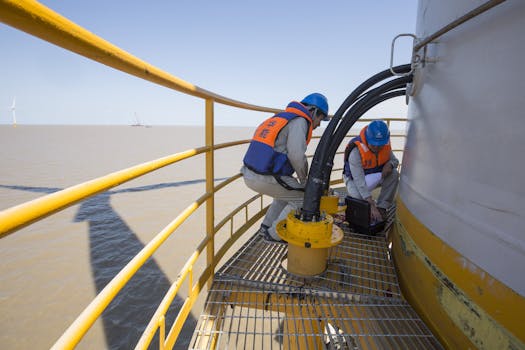
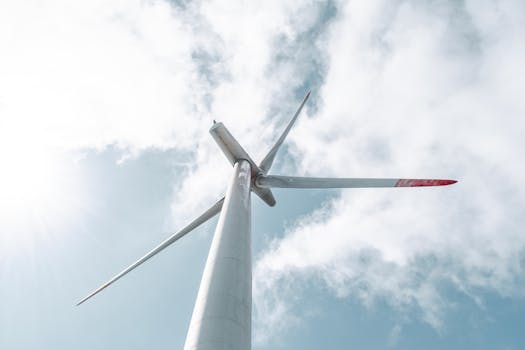
As an Offshore Wind Turbine Technician, you'd be a critical part of the UK's renewable energy push, responsible for the maintenance, inspection, repair, and troubleshooting of wind turbines located in offshore wind farms. This isn't your average office job; you'll typically be working at sea, often accessed by specialist vessels or helicopters, in potentially challenging weather conditions. Your daily tasks could range from routine preventative maintenance checks to diagnosing complex electrical or mechanical faults, replacing components, and ensuring the turbines are operating safely and efficiently. Safety is paramount in this role, and you'll undergo extensive training in areas like working at heights, sea survival, and first aid. It requires a strong technical aptitude, problem-solving skills, and a good level of physical fitness, alongside a comfort with working remotely and as part of a close-knit team.

Offshore Wind Turbine Technician

Flag Media

Please select a reason for flagging this content.

📊 Statistics

Average Salary Range

Starting salaries for Offshore Wind Turbine Technicians in the UK typically range from 28,000 to 35,000 pounds per year. With experience, this can rise significantly, often reaching 45,000 to 60,000 pounds, and even higher for specialised or senior roles.

Job Market Growth

The UK is a world leader in offshore wind capacity, with a strong government commitment to expand this sector. Industry reports project a significant increase in technician roles, with thousands of new jobs expected over the next decade as more wind farms are developed and existing ones require ongoing maintenance. This indicates a robust and growing job market.

Working Hours and Patterns

Offshore work often involves irregular shift patterns, including 'rotations' where technicians work for several days or weeks offshore followed by an equivalent period of time off. A common pattern might be two weeks on, two weeks off, involving 10-12 hour shifts when offshore. This varies by employer and project.

🚀 Careers in this path

Flag Media

Please select a reason for flagging this content.

Rope Access Wind Turbine Blade Repairer

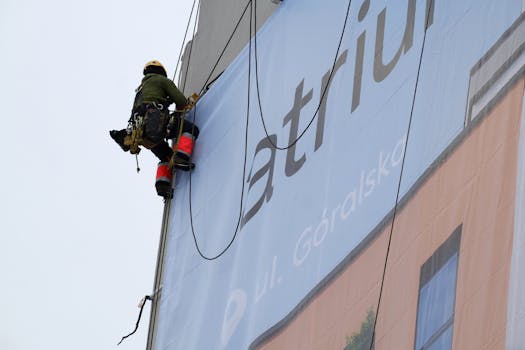
Specialises in repairing and maintaining the blades of offshore wind turbines, often using rope access techniques to reach damaged sections at height. This role requires specific certifications for working at height and advanced repair skills for composite materials.

Offshore Wind Farm Commissioning Engineer

Focuses on the final stages of wind turbine installation, ensuring all systems and components are correctly installed, tested, and operational before the wind farm goes live. This involves detailed diagnostic work and adherence to safety protocols.

Flag Media

Please select a reason for flagging this content.

Offshore Wind Substation Technician

Works on the electrical substations that collect power from multiple wind turbines and transmit it to the shore. This involves maintaining high voltage equipment, switchgear, and control systems, ensuring efficient power export and grid stability.

Build Your Foundational Skills

Complete Relevant Vocational Training or Apprenticeship

Gain essential technical knowledge and practical skills through a recognised qualification or apprenticeship programme.

Consider pursuing a Level 3 or 4 qualification such as an NVQ, BTEC, or HNC in Electrical Engineering, Mechanical Engineering, Renewable Energy, or a related field. Many employers also offer dedicated Wind Turbine Technician apprenticeships, which combine on-the-job training with formal education, providing a comprehensive entry point into the industry. These programmes typically cover hydraulics, pneumatics, electrical systems, and safety protocols relevant to wind energy.

Acquire Core Safety Certifications

Obtain mandatory safety certifications crucial for working in offshore and hazardous environments.

You will need to acquire Global Wind Organisation (GWO) certified training. This includes modules such as First Aid, Manual Handling, Fire Awareness, Working at Heights, and Sea Survival (often referred to as Basic Safety Training or BST). These certifications are legally required for anyone working on wind turbines, especially offshore, and ensure you have the skills to respond to emergencies and work safely in demanding conditions.

Develop Practical Engineering Skills

Seek opportunities to apply theoretical knowledge and develop hands-on problem-solving abilities.

Beyond formal training, actively look for opportunities to develop practical skills. This could involve volunteering, part-time work in a related engineering field, or personal projects that involve mechanical or electrical systems. Practical experience with tools, fault finding, and basic repairs will make you a more attractive candidate and prepare you for the hands-on nature of the technician role.

Gain Industry Experience

Seek Entry-Level Technician Roles

Apply for junior or assistant technician positions to start your career in the wind energy sector.

Many companies offer entry-level roles for individuals with relevant qualifications and GWO training. These positions are an excellent way to gain initial exposure to wind turbine operations, learn from experienced technicians, and understand the day-to-day responsibilities. While some roles might initially be onshore, the experience gained is highly transferable to offshore environments.

Undergo Offshore Induction and Site-Specific Training

Complete any additional training required for specific offshore wind farm sites and equipment.

Once employed, your company will likely provide site-specific training and inductions. This can include detailed briefings on the particular wind farm's layout, specific turbine models, operational procedures, and additional safety protocols unique to that location or equipment. You may also receive further specialised training on advanced fault diagnosis or specific repair techniques for the turbines you'll be working on.

Build a Strong Professional Network

Connect with other professionals in the renewable energy industry to open doors for future opportunities.

Networking is vital in this specialised industry. Attend industry events, join professional bodies related to renewable energy or engineering, and utilise platforms like LinkedIn to connect with technicians, engineers, and recruiters. A strong network can provide insights into emerging technologies, job openings, and mentorship opportunities that can accelerate your career progression.

Career Progression and Specialisation

Pursue Advanced Technical Certifications

Deepen your expertise by obtaining advanced certifications in specialised areas of wind turbine technology.

As you gain experience, consider advanced GWO modules or manufacturer-specific training for particular turbine types (e.g., Siemens Gamesa, Vestas, GE). Specialised training in areas like high-voltage systems, blade repair, advanced hydraulics, or control systems can make you a more valuable asset and open up opportunities for senior or specialist technician roles.

Take on Leadership and Mentorship Roles

Develop leadership skills by guiding less experienced technicians and managing project components.

Demonstrating leadership potential is key for career advancement. This could involve becoming a lead technician, supervising small teams on specific tasks, or mentoring new apprentices. Such roles require excellent communication, problem-solving, and decision-making skills, preparing you for positions like Offshore Team Leader, Supervisor, or even Operations Manager.

Explore Specialised Career Paths

Consider transitioning into niche areas such as commissioning, planning, or technical support.

With extensive experience, you might choose to specialise further. This could include roles in turbine commissioning (overseeing the initial setup and testing of new turbines), operations and maintenance planning, technical support and fault diagnosis from an office setting, or even moving into training and development of future technicians. Each of these paths leverages your core technical knowledge in a different capacity, offering diverse career trajectories within the wind industry.

🎯 View Apprenticeships

Explore relevant apprenticeships that can help you kickstart your career in Offshore Wind Turbine Technician. Apprenticeships offer hands-on experience and training while earning a wage.

Career Progressions

This page showcases various career options and the pathways to reach them. Each career listed here shares transferable skills and knowledge, making it easier for individuals to transition between them.

Your current career is highlighted to help you see how it fits into the broader landscape of potential career choices. By clicking on any career, you can learn more about it, including the training and education required to pursue it.

Remember, progressing in your career often involves further learning and training. This page provides insights into future career options as well as those that can lead up to your current one.

These career progression decisions are informed by comparing the skills and knowledge needed for different occupations, along with data on how people move between them. Explore the possibilities and discover the exciting journey ahead in your career!

Sample Qualifications

An Offshore Wind Turbine Technician is a specialised role within the broader wind energy sector, primarily involving the installation, maintenance, and repair of wind turbines. This perfectly aligns with the duties and qualifications of a 'Wind turbine technician', even though the 'offshore' aspect specifies the working environment rather than a fundamentally different technical skill set.

How to become

You can get into this job through:

  • a university course
  • a college course
  • an apprenticeship
  • applying directly

University

You could do a foundation degree, higher national diploma or degree in:

  • renewable energy engineering
  • electrical or mechanical engineering
  • electrical power engineering

It might give you an advantage if your course includes the opportunity to get work experience through summer internships or a year in industry.

Entry requirements

You'll usually need:

  • 1 or 2 A levels, or equivalent, for a foundation degree or higher national diploma
  • 2 to 3 A levels, or equivalent, for a degree

More Information

College

You could do a college course, which could help you to get a trainee job with a wind turbine engineering company.

Courses include:

  • electrical and electronic engineering
  • mechanical engineering technology
  • T Level in Maintenance, Installation and Repair for Engineering and Manufacturing

Entry requirements

Entry requirements for these courses vary.

  • 4 or 5 GCSEs at grades 9 to 4 (A* to C), or equivalent, including English and maths for a T Level

More Information

Apprenticeship

You could apply to do a Level 3 Advanced Apprenticeship, such as:

  • Maintenance Operations Engineering Technician
  • Engineering Technician
  • Engineering Maintenance Technician

These can take between 3 and 4 years to complete.

Entry requirements

You'll usually need:

  • 5 GCSEs at grades 9 to 4 (A* to C), or equivalent, including English and maths, for an advanced apprenticeship

More Information

Direct Application

You can apply directly for jobs if you've got qualifications and experience in electrical or mechanical engineering from another industry, or from the armed forces.

More Information

Career tips

Companies are predicted to need more wind turbine technicians in the future as industries move towards using renewable energy sources.

Further information

You can find out more about working in the renewable energy industry from RenewableUK and Energy & Utilities Careers & Jobs.

Interested in More Career Paths?

Explore other careers or use our AI to discover personalised paths based on your interests.

Stay connected

Join our newsletter to stay up to date on features and releases

Address
Developing Experts Limited
Exchange Street Buildings
35-37 Exchange Street
Norwich
NR2 1DP
UK

Phone
01603 273515

Email
[email protected]

Copyright 2026 Developing Experts, All rights reserved.