





Creating Career Path...

Finding Further Careers...

Rigger

View this career for different education levels:

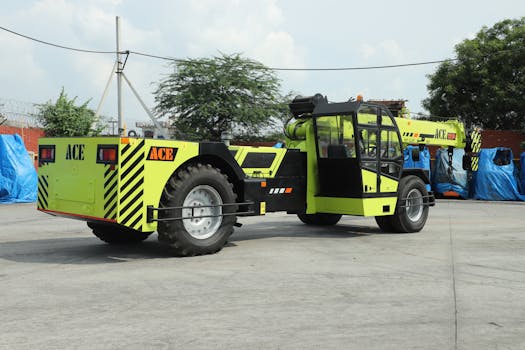
A Rigger is a highly skilled professional responsible for the safe and efficient movement, lifting, and positioning of heavy and often complex loads. This role is absolutely crucial in a wide range of industries, including construction, oil and gas, manufacturing, renewable energy, and even live events or theatrical productions. Riggers use specialised equipment such as cranes, hoists, wire ropes, slings, and shackles to perform their tasks. The work involves meticulous planning, assessing load weights and dynamics, selecting appropriate lifting gear, inspecting equipment for safety, and executing the lift with precision. Safety is paramount; Riggers must adhere to stringent health and safety regulations, develop lift plans, and communicate effectively with crane operators and other team members. It's a physically demanding job that requires excellent spatial awareness, problem-solving skills, attention to detail, and a deep understanding of physics and engineering principles. Training often involves apprenticeships, vocational qualifications, and certifications such as NVQs and CPCS cards.

Rigger

Flag Media

Please select a reason for flagging this content.

📊 Statistics

Average UK Salary

For experienced Riggers in the UK, salaries can range from around 30,000 to 45,000 pounds per year, depending on industry, location, and specific qualifications. Entry-level positions may start lower, whilst highly specialised roles, particularly in offshore or complex engineering projects, can command significantly more.

Job Outlook and Opportunities

The UK construction, engineering, and entertainment sectors consistently require skilled Riggers. While specific job numbers fluctuate, the demand for competent professionals remains steady, particularly with ongoing infrastructure projects, renewable energy developments, and live event production. Roles are available across the country, with concentrations in industrial hubs and major cities.

Working Hours

Working hours for Riggers can be variable. While standard full-time hours are common, project deadlines, specific lifts, or event schedules often require early starts, late finishes, and weekend work. Offshore or major construction projects may involve shift patterns or extended periods away from home.

🚀 Careers in this path

Flag Media

Please select a reason for flagging this content.

Entertainment Rigger

Specialises in setting up and operating rigging systems for live events, concerts, theatre productions, and film sets. This involves working with lighting, sound, scenery, and special effects equipment, ensuring safety and compliance with industry standards.

Flag Media

Please select a reason for flagging this content.

Offshore Wind Turbine Technician

Focuses on the installation, maintenance, and repair of offshore wind turbines. This role often involves advanced rigging techniques for lifting heavy components, working at height, and operating in challenging marine environments.

Flag Media

Please select a reason for flagging this content.

Arboricultural Rigger

Works within tree surgery and forestry, using specialist rigging to safely fell trees, prune branches, and manage large arboreal specimens, often in complex urban or hazardous environments. Requires knowledge of tree mechanics and safe lowering techniques.

Build Foundational Knowledge and Skills

Research the Role and Industry

Understand what a Rigger does, the environments they work in, and the specific skills and qualifications required.

Start by researching job descriptions for Rigger roles in the UK across different sectors like construction, events, offshore, or manufacturing. Look at what daily tasks involve, the types of equipment used, and the level of responsibility. Websites like the National Careers Service (UK), CITB (Construction Industry Training Board), and specific industry bodies can offer valuable insights into typical career paths and requirements for riggers.

Gain Relevant Work Experience

Seek entry-level positions or apprenticeships in related fields to build practical experience with tools, safety, and teamwork.

Consider roles like a 'Labourer' on construction sites, a 'Trainee Scaffolder', or a 'Warehouse Operative' where you'll be involved in moving heavy goods. This experience, even if not directly rigging, helps you develop a strong work ethic, an understanding of site safety protocols, manual handling techniques, and how to work effectively in a team – all crucial for a rigging career. Look for opportunities where you can observe experienced professionals at work.

Prioritise Health and Safety Training

Completing basic health and safety courses is essential for any construction or industrial role, especially rigging.

Obtain fundamental certifications such as the CSCS (Construction Skills Certification Scheme) card, which is often a mandatory requirement for working on UK construction sites. Consider additional courses like 'Manual Handling', 'Working at Height', and 'First Aid'. These demonstrate your commitment to safety and provide you with essential knowledge to protect yourself and others on the job. Many colleges and private training providers offer these courses.

Specialised Training and Certification

Undertake Specialist Rigging Training

Enrol in a recognised rigging course to learn the theoretical and practical aspects of the trade.

Look for courses approved by industry bodies such as OPITO for offshore, or LEEA (Lifting Equipment Engineers Association) for general lifting, or those offering NVQ (National Vocational Qualification) levels in rigging or lifting operations. These courses cover critical topics like sling types, knot tying, load calculation, reading lifting plans, communication signals, and the safe use of various lifting equipment. Practical training is key here, often involving hands-on experience with cranes, hoists, and various rigging gear under expert supervision.

Obtain Industry-Specific Certifications

Secure the necessary certifications required to work as a qualified Rigger in your chosen sector.

Depending on your specialisation, you might need specific certifications. For offshore work, BOSIET (Basic Offshore Safety Induction and Emergency Training) and MIST (Minimum Industry Safety Training) are typically required. For general construction, an NVQ Level 2 or 3 in 'Controlling Lifting Operations' or 'Slinger Signaller' is highly valued. For theatre/events, certifications like PLASA National Rigging Certificate (NRC) may be essential. These certifications validate your competence and are often a prerequisite for employment.

Develop Advanced Skills (Optional but Recommended)

Consider gaining additional skills that can enhance your employability and career progression.

Think about getting a HGV (Heavy Goods Vehicle) licence, especially if you'll be transporting equipment, or becoming proficient in operating specific machinery like forklifts or mobile elevated work platforms (MEWPs) through IPAF (International Powered Access Federation) certification. Learning to weld or gaining basic mechanical skills can also be advantageous, particularly in maintenance or fabrication roles related to rigging equipment. These extra skills make you a more versatile and valuable asset to employers.

Career Entry and Professional Development

Apply for Entry-Level Rigger Positions

Start seeking out and applying for Rigger roles, using your new qualifications and experience.

Look for 'Trainee Rigger', 'Assistant Rigger', or 'Slinger/Signaller' positions. Tailor your CV and cover letter to highlight your relevant training, certifications, and any practical experience you've gained. Network with professionals in the industry through events or online platforms like LinkedIn. Be prepared for interviews that might include practical assessments of your rigging knowledge and skills. Many companies are looking for individuals with a strong understanding of safety and a willingness to learn.

Continuous Learning and Specialisation

Stay updated with industry best practices, new technologies, and pursue opportunities for specialisation.

The rigging industry is constantly evolving with new equipment and safety standards. Attend workshops, seminars, and refresher courses to keep your skills sharp and your knowledge current. Consider specialising in areas like heavy lift rigging, entertainment rigging, marine rigging, or wind turbine rigging. This specialisation can open doors to more advanced and higher-paying roles. Your employer may also offer internal training or support for further qualifications.

Mentorship and Leadership

Seek out mentors and eventually aim to mentor others or take on supervisory roles.

Learning from experienced riggers is invaluable. Don't be afraid to ask questions, observe best practices, and seek advice from those who have been in the field for years. As you gain experience and confidence, you can progress to leading teams, managing projects, or becoming a 'Lead Rigger' or 'Rigging Supervisor'. This involves not just technical expertise but also strong communication, problem-solving, and leadership skills. You could also become an assessor for new riggers.

🎬 Useful Videos

🎯 View Apprenticeships

Explore relevant apprenticeships that can help you kickstart your career in Rigger. Apprenticeships offer hands-on experience and training while earning a wage.

Career Progressions

This page showcases various career options and the pathways to reach them. Each career listed here shares transferable skills and knowledge, making it easier for individuals to transition between them.

Your current career is highlighted to help you see how it fits into the broader landscape of potential career choices. By clicking on any career, you can learn more about it, including the training and education required to pursue it.

Remember, progressing in your career often involves further learning and training. This page provides insights into future career options as well as those that can lead up to your current one.

These career progression decisions are informed by comparing the skills and knowledge needed for different occupations, along with data on how people move between them. Explore the possibilities and discover the exciting journey ahead in your career!

Sample Qualifications

A Rigger's primary duties involve the assembly, positioning, and dismantling of structural steel elements using hoists and cranes, which directly aligns with the core responsibilities of a Steel erector, focusing on constructing frameworks and structures.

How to become

You can get into this job through:

  • a college course
  • an apprenticeship
  • applying directly

College

You could take a construction or engineering course at college. This could help you to find a trainee job with a building company.

Courses include:

  • construction skills
  • skills for engineering
  • construction operations

Entry requirements

Entry requirements for these courses vary.

More Information

Apprenticeship

You could apply for a place on an Engineering Construction Erector Rigger Level 3 Advanced Apprenticeship.

This takes around 3 years to complete and is a mix of on-the-job training and off-site study.

Entry requirements

To get onto an apprenticeship, you'll find it useful to have:

  • GCSEs grades 9 to 4 (A* to C), or equivalent, in English and maths

More Information

Direct Application

You can apply directly for jobs if you have relevant experience, qualifications and industry safety cards in construction or engineering.

More Information

Registration

Career tips

You'll have an advantage if you've got a powered access licence to work with mobile elevated work platforms.

Further information

You can get more details about working and training as a steel erector from Go Construct and the Engineering Construction Industry Training Board (ECITB).

Interested in More Career Paths?

Explore other careers or use our AI to discover personalised paths based on your interests.

Stay connected

Join our newsletter to stay up to date on features and releases

Address
Developing Experts Limited
Exchange Street Buildings
35-37 Exchange Street
Norwich
NR2 1DP
UK

Phone
01603 273515

Email
[email protected]

Copyright 2026 Developing Experts, All rights reserved.