


Creating Career Path...

Finding Further Careers...

Rigger

View this career for different education levels:

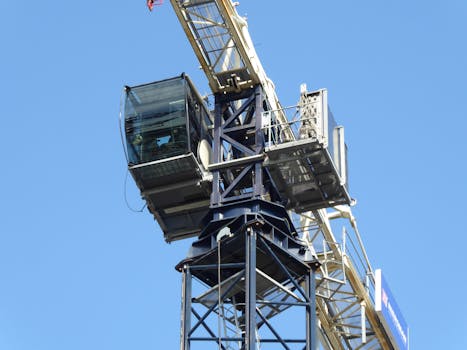
A rigger is a really important job that involves setting up and operating lifting equipment to move heavy things safely. Imagine huge cranes lifting parts of a skyscraper, or big lights and speakers being hoisted up for a concert. Riggers are the experts who make sure all this heavy lifting happens without any accidents. They plan how to lift objects, choose the right ropes, cables, chains, and hooks, and check that everything is secure before anything is moved. It's a job that requires a lot of technical skill, attention to detail, and a very strong focus on safety because they are responsible for preventing dangerous situations. Riggers work in lots of different places across the UK. You might find them on construction sites helping to build new buildings, on oil rigs or wind farms far out at sea, in theatres or music venues setting up stage equipment, or even in factories moving large machinery. They need to be good at maths for calculating weights and forces, strong and fit enough to handle equipment, and excellent at teamwork, as they often work closely with crane operators and other construction or event crew. Training usually involves getting special certifications to show you know how to work safely and effectively with heavy lifting gear.

Rigger

Flag Media

Please select a reason for flagging this content.

📊 Statistics

Average Salary for Riggers in the UK

Entry-level riggers might start around 20,000 GBP to 25,000 GBP per year, while experienced riggers can earn between 30,000 GBP and 45,000 GBP, and even higher for specialised roles or offshore work.

Job Openings

While specific numbers for 'rigger' alone are hard to pinpoint due to varied industries, there are often hundreds of job openings for roles involving lifting and rigging skills across construction, offshore, and entertainment sectors in the UK at any given time.

Working Hours

Riggers often work standard full-time hours, but overtime, weekend work, and shifts can be common, especially in industries like construction, offshore, or events, where deadlines are tight or operations run continuously.

🚀 Careers in this path

Flag Media

Please select a reason for flagging this content.

Stage Crew Member

Imagine helping to put on amazing shows and concerts. You would learn how to set up scenery, lights, and sound equipment safely, making sure everything is perfect for the performers. This is like being a rigger, but specifically for theatres and events!

Flag Media

Please select a reason for flagging this content.

Theme Park Ride Technician Apprentice

Do you love the thrill of rollercoasters? As an apprentice, you'd learn from experts how to inspect, maintain, and help build parts of the rides, making sure they are super safe for everyone to enjoy. It's all about making sure things are put together and work perfectly, just like a rigger does!

Flag Media

Please select a reason for flagging this content.

Adventure Course Instructor Assistant

If you enjoy being active and outdoors, you could help people have fun and stay safe on high ropes courses, climbing walls, or zip lines. You'd learn how to set up the equipment and check all the harnesses and ropes, making sure everything is secure and ready for adventure. It's a bit like rigging for fun!

Learning the Basics

Focus on relevant school subjects

Pay attention in subjects like Maths, Design & Technology (DT), and Science (especially Physics). These will help you understand how things work and how to measure things accurately.

Understanding basic maths will help you calculate weights and forces. Design & Technology can give you hands-on experience with tools and materials. Physics will teach you about gravity, leverage, and the strength of materials, all of which are super important for a Rigger.

Explore practical hobbies

Get involved in hobbies that involve building, fixing, or working with your hands. This could be anything from model making to helping with DIY at home.

Hobbies like Scouts, cadets, or even helping out with stage crew for school plays can give you valuable practical experience. Learning to tie knots, understanding different tools, and working as part of a team are all great skills for a future Rigger. The more hands-on experience you get, the better!

Research what Riggers do

Watch videos and read about what Riggers actually do in different industries. See if it looks like something you'd enjoy.

Look up 'theatre rigger', 'construction rigger', 'offshore rigger', or 'events rigger' on YouTube or career websites. This will show you the wide variety of places Riggers work and the different kinds of challenges they face. It's a great way to see if the job sparks your interest!

Gaining Skills & Qualifications

Consider a college course or apprenticeship

After school, you could look for a college course in construction, engineering, or a related field, or even better, an apprenticeship specifically in rigging.

Apprenticeships are brilliant because you learn on the job while also studying for qualifications. You'll work alongside experienced Riggers, getting paid and gaining practical skills. Look for Level 2 or Level 3 apprenticeships in rigging, lifting operations, or even general construction roles where rigging is a component. Colleges might offer BTECs or NVQs that provide a good foundation.

Get relevant certifications

You'll need specific cards and certificates to work as a Rigger, like the CSCS card for construction sites, and possibly specific lifting equipment qualifications.

The Construction Skills Certification Scheme (CSCS) card is essential for working on most UK construction sites. You'll likely need to pass a health, safety, and environment test to get one. Additionally, organisations like the NPORS (National Plant Operators Registration Scheme) or CPCS (Construction Plant Competence Scheme) offer certifications for operating various lifting equipment, which are crucial for a Rigger.

Learn about safety regulations

Safety is the most important part of being a Rigger. You'll need to know all the rules and how to work safely around heavy equipment.

Riggers are responsible for ensuring lifts are performed safely, which means understanding regulations like LOLER (Lifting Operations and Lifting Equipment Regulations) and PUWER (Provision and Use of Work Equipment Regulations). This knowledge will be taught during apprenticeships or specific training courses, but it's vital to always pay attention and take safety seriously to protect yourself and others.

Starting Your Career

Look for entry-level positions or assistant roles

Start by applying for jobs like 'Rigging Assistant', 'Trainee Rigger', or 'Labourer with an interest in rigging'. These roles let you learn from experienced pros.

Many Riggers start as assistants, helping with setting up equipment, checking ropes and chains, and learning the ropes (pun intended!) from senior team members. This is an excellent way to gain more hands-on experience, understand site operations, and build your confidence before taking on more complex rigging tasks. Networking during your apprenticeship can often lead to these first job opportunities.

Build your experience in different settings

Try to work on different types of projects – construction sites, events, or even in factories – to get a broader range of experience.

The skills you learn as a Rigger are transferable to many industries. Working in construction might involve structural steel, while an events rigger might set up lighting and sound for concerts. Each environment presents unique challenges and helps you develop a versatile skillset, making you a more sought-after Rigger in the long run. Don't be afraid to try different things!

Keep learning and updating your skills

The world of rigging is always changing. Keep up-to-date with new equipment, techniques, and safety standards by taking extra courses.

Even after you're qualified, continuous professional development is key. New technologies, materials, and safety guidelines emerge regularly. Attending refresher courses, specialist training for new types of cranes or rigging techniques, and staying informed through industry associations will help you advance your career and remain an expert in your field. This dedication can lead to senior Rigger roles or even becoming a rigging supervisor.

🎬 Useful Videos

🎯 View Apprenticeships

Explore relevant apprenticeships that can help you kickstart your career in Rigger. Apprenticeships offer hands-on experience and training while earning a wage.

Career Progressions

This page showcases various career options and the pathways to reach them. Each career listed here shares transferable skills and knowledge, making it easier for individuals to transition between them.

Your current career is highlighted to help you see how it fits into the broader landscape of potential career choices. By clicking on any career, you can learn more about it, including the training and education required to pursue it.

Remember, progressing in your career often involves further learning and training. This page provides insights into future career options as well as those that can lead up to your current one.

These career progression decisions are informed by comparing the skills and knowledge needed for different occupations, along with data on how people move between them. Explore the possibilities and discover the exciting journey ahead in your career!

Sample Qualifications

A Rigger's primary duties involve the assembly, positioning, and securing of structural components, often steel, using lifting equipment, which directly aligns with the responsibilities of a Steel Erector in construction.

How to become

You can get into this job through:

  • a college course
  • an apprenticeship
  • applying directly

College

You could take a construction or engineering course at college. This could help you to find a trainee job with a building company.

Courses include:

  • construction skills
  • skills for engineering
  • construction operations

Entry requirements

Entry requirements for these courses vary.

More Information

Apprenticeship

You could apply for a place on an Engineering Construction Erector Rigger Level 3 Advanced Apprenticeship.

This takes around 3 years to complete and is a mix of on-the-job training and off-site study.

Entry requirements

To get onto an apprenticeship, you'll find it useful to have:

  • GCSEs grades 9 to 4 (A* to C), or equivalent, in English and maths

More Information

Direct Application

You can apply directly for jobs if you have relevant experience, qualifications and industry safety cards in construction or engineering.

More Information

Registration

Career tips

You'll have an advantage if you've got a powered access licence to work with mobile elevated work platforms.

Further information

You can get more details about working and training as a steel erector from Go Construct and the Engineering Construction Industry Training Board (ECITB).

Interested in More Career Paths?

Explore other careers or use our AI to discover personalised paths based on your interests.

Stay connected

Join our newsletter to stay up to date on features and releases

Address
Developing Experts Limited
Exchange Street Buildings
35-37 Exchange Street
Norwich
NR2 1DP
UK

Phone
01603 273515

Email
[email protected]

Copyright 2026 Developing Experts, All rights reserved.