





Creating Career Path...

Finding Further Careers...

Plasterer

View this career for different education levels:

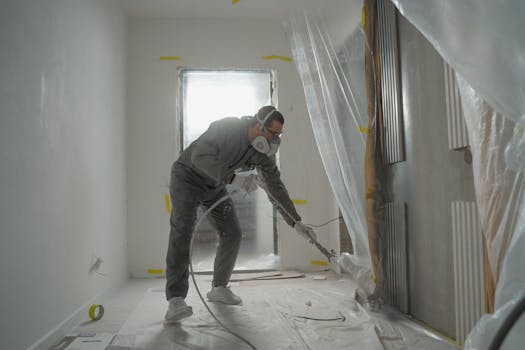
Being a plasterer is a really important job in the construction world! Imagine building a new house or fixing up an old one; before you can paint the walls or put up wallpaper, someone needs to make the walls and ceilings perfectly smooth. That's what a plasterer does! They mix plaster – a special kind of wet powder – and then spread it carefully onto surfaces using tools called trowels. It's a bit like icing a huge cake, but with walls! They also make sure everything is level and flat, which takes a lot of skill and a good eye. Plasterers work on all sorts of buildings, from homes and schools to shops and hospitals. This job involves a lot of hands-on work and can be quite physical. You'll learn to prepare surfaces, apply different types of plaster, and even create decorative finishes like coving (the fancy bit where the wall meets the ceiling). Safety is super important, so you'd also learn how to work carefully, especially when using ladders or working in dusty environments. It's a really satisfying job because you get to see a rough, unfinished space transform into a smooth, ready-to-decorate room thanks to your hard work!

Plasterer

Flag Media

Please select a reason for flagging this content.

📊 Statistics

Average Salary (UK)

A newly qualified plasterer in the UK can expect to earn around 20,000 to 25,000 pounds a year. Experienced plasterers can earn between 30,000 and 40,000 pounds, with highly skilled or self-employed plasterers potentially earning more.

Weekly Working Hours

Most plasterers in the UK work around 37 to 40 hours a week. However, project deadlines might sometimes mean longer days or working on weekends.

Job Outlook

There is a consistent demand for skilled plasterers across the UK, especially with ongoing building and renovation projects. This suggests good job prospects for those entering the trade.

🚀 Careers in this path

Flag Media

Please select a reason for flagging this content.

Dryliner

A dryliner puts up plasterboard to make walls and ceilings inside buildings, ready for painting or wallpapering. It's a bit like building a room within a room!

Flag Media

Please select a reason for flagging this content.

Renderer

A renderer puts special mixes onto the outside walls of houses and buildings to make them look nice and protect them from the weather. Think of it like putting a decorative, protective coat on a house.

Flag Media

Please select a reason for flagging this content.

Fibrous Plasterer

A fibrous plasterer creates and fixes decorative plaster mouldings like fancy ceiling roses and cornices, often found in older, grand buildings or new luxury homes. It's very artistic and requires careful handiwork.

Build Your Foundations

Study Relevant Subjects

Focus on subjects at school that can help you with practical skills and problem-solving.

While there aren't specific 'plastering' subjects, Design & Technology (DT), Resistant Materials, or even Art can help develop your practical skills, hand-eye coordination, and an understanding of materials. Maths is also important for measuring and calculating materials needed for jobs. Getting good grades in these subjects shows you're ready to learn practical trades.

Try DIY or Craft Activities

Get hands-on experience by doing small practical projects at home or in school.

Helping out with DIY projects around the house, like filling small holes in walls, sanding, or painting, can give you a feel for working with surfaces. Craft activities that involve moulding, shaping, or precise application can also develop your dexterity and attention to detail, which are super important for a plasterer.

Research the Trade

Learn about what a plasterer actually does day-to-day and the tools they use.

Watch videos online of plasterers at work, look at websites that describe the job role, and try to understand the different types of plastering, like skimming, rendering, or decorative plasterwork. Knowing the different tools, such as trowels, hawks, and mixers, will give you a head start and show your interest when talking to professionals.

Gain Qualifications and Experience

Consider a College Course

Enrol in a plastering course at a local college to learn the basics.

After you leave school, a full-time or part-time course in plastering, such as a Level 1, 2, or 3 Diploma, is a fantastic way to learn. These courses teach you all the essential skills, health and safety practices, and different techniques in a structured environment. You'll get hands-on experience with expert instructors and gain valuable qualifications recognised in the industry.

Look for an Apprenticeship

Combine learning with earning by working alongside experienced plasterers.

An apprenticeship is one of the best ways to become a plasterer. You'll work for a construction company or a self-employed plasterer, learning on the job while also attending college part-time to gain your qualifications. You'll earn a wage, gain real-world experience, and build a network of contacts in the industry. Search for 'plastering apprenticeships' online or ask local construction companies.

Seek Work Experience

Spend time on a building site or with a plasterer to see the job first-hand.

Even if it's just for a week or two during school holidays, getting some work experience with a plasterer or on a construction site can be incredibly valuable. You'll see the daily routines, how a team works together, and what challenges can arise. It's a great way to confirm if plastering is truly for you and often leads to apprenticeship opportunities if you impress them.

Start Your Career

Build Your Portfolio

Keep a record of your best work as you gain experience.

As you complete projects, whether through college, an apprenticeship, or early jobs, take photos of your finished work. This 'portfolio' can show potential employers or clients the quality of your plastering. It demonstrates your skills and attention to detail, which is crucial in a visual trade like plastering. Even a simple phone album can be a good start!

Get Your CSCS Card

Obtain the essential card needed to work on most construction sites in the UK.

The Construction Skills Certification Scheme (CSCS) card proves you have the necessary training and qualifications to work safely on building sites. You'll need to pass a health, safety, and environment test. Most employers require you to have this card, so it's a vital step for working on professional construction projects.

Continue Learning and Specialising

Keep improving your skills and explore different types of plastering.

The construction industry is always evolving, with new materials and techniques. You could specialise in Venetian plastering, external rendering (like K-Rend), or decorative plasterwork. Attending short courses, workshops, or even watching advanced tutorials can help you expand your skills and become an even more sought-after plasterer. The more skills you have, the more opportunities you'll find!

🎬 Useful Videos

🎯 View Apprenticeships

Explore relevant apprenticeships that can help you kickstart your career in Plasterer. Apprenticeships offer hands-on experience and training while earning a wage.

Career Progressions

This page showcases various career options and the pathways to reach them. Each career listed here shares transferable skills and knowledge, making it easier for individuals to transition between them.

Your current career is highlighted to help you see how it fits into the broader landscape of potential career choices. By clicking on any career, you can learn more about it, including the training and education required to pursue it.

Remember, progressing in your career often involves further learning and training. This page provides insights into future career options as well as those that can lead up to your current one.

These career progression decisions are informed by comparing the skills and knowledge needed for different occupations, along with data on how people move between them. Explore the possibilities and discover the exciting journey ahead in your career!

Sample Qualifications

How to become

You can get into this job through:

  • a college course
  • an apprenticeship
  • working towards this role

College

You can do a college course that will teach you some of the skills needed for the job. Courses include:

  • plastering
  • construction skills - plastering
  • T Level in On Site Construction

Entry requirements

Entry requirements for these courses vary.

  • 4 or 5 GCSEs at grades 9 to 4 (A* to C), or equivalent, including English and maths for a T Level

More Information

Apprenticeship

You can apply to do an apprenticeship, such as:

  • Onsite Trades Level 2 Foundation Apprenticeship
  • Plasterer Level 2 Intermediate Apprenticeship
  • Craft Plasterer Level 3 Advanced Apprenticeship

Foundation apprenticeship

You can apply for a foundation apprenticeship if you're aged 16 to 21.

If you're aged 22 to 24, you can apply if you:

Entry requirements

You'll usually need:

  • no specific qualifications or experience to apply for a foundation apprenticeship
  • some GCSEs, usually including English and maths, or equivalent, for an intermediate apprenticeship
  • 5 GCSEs at grades 9 to 4 (A* to C), or equivalent, including English and maths, for an advanced apprenticeship

More Information

Work

You can begin working as a plasterer's labourer or 'mate'. You may not need formal qualifications but some employers look for on-site construction experience.

Your employer may then offer you the chance to take training on the job to qualify as a plasterer.

More Information

Registration

Further information

You can find out more about becoming a plasterer from Go Construct and House Building Careers.

Interested in More Career Paths?

Explore other careers or use our AI to discover personalised paths based on your interests.

Stay connected

Join our newsletter to stay up to date on features and releases

Address
Developing Experts Limited
Exchange Street Buildings
35-37 Exchange Street
Norwich
NR2 1DP
UK

Phone
01603 273515

Email
[email protected]

Copyright 2026 Developing Experts, All rights reserved.