



Creating Career Path...

Finding Further Careers...

Plasterer

View this career for different education levels:

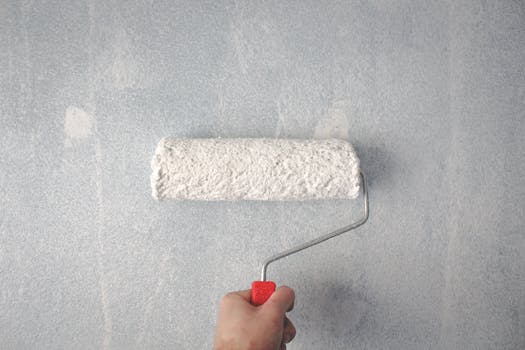
Imagine you have a wall that looks a bit rough and bumpy. A Plasterer is like a magic artist for walls! They mix up a special creamy paste called plaster and carefully spread it onto walls and ceilings. Their job is to make sure every surface is perfectly smooth and flat, ready for paint or wallpaper. They need to be very neat and careful, using special tools to get it just right. It is a really important job because it makes homes and schools look lovely and finished. Plasterers work in many different places, from new houses being built from scratch to old buildings that need a bit of a makeover. They learn how to prepare the walls first, then apply different layers of plaster, and finally smooth it all out. It can be a bit messy sometimes, but it is very satisfying to see a rough wall become beautifully smooth because of their hard work.

Plasterer

Flag Media

Please select a reason for flagging this content.

📊 Statistics

Salary for a Plasterer

A Plasterer in the UK can usually earn between 25,000 and 35,000 pounds a year, especially once they have some experience. Beginners might start on a bit less as they learn.

Number of Plasterers

There are thousands of Plasterers working all over the UK. It is a job always in demand because new buildings are always being built or old ones need fixing up.

Hours of Work

Most Plasterers work about 40 hours a week, which is usually Monday to Friday. Sometimes they might work a little extra if they need to finish a job on time.

🚀 Careers in this path

Flag Media

Please select a reason for flagging this content.

Decorator

A Decorator helps make walls look beautiful and colourful by painting them, or putting up lovely patterns called wallpaper. They make rooms feel bright and happy!

Flag Media

Please select a reason for flagging this content.

Builder

A Builder is like a superhero who helps put all the different parts of a house together, like the walls and the roof. They use lots of different materials to make strong, safe buildings.

Flag Media

Please select a reason for flagging this content.

Tiler

A Tiler carefully sticks small, pretty squares or shapes called tiles onto walls and floors, often in kitchens and bathrooms. They make sure everything looks neat and tidy!

Learning the Basics

Watch and Learn

Start by watching grown-ups like your parents or builders when they fix walls or do DIY. See how they use tools and mix things.

When you see grown-ups working on walls, try to notice the different tools they use, like big flat trowels or buckets for mixing. Ask them what they are doing and why. You can also watch videos online of plasterers at work to see how they make walls super smooth. Pay attention to how they hold their tools and spread the plaster evenly.

Play with Clay or Dough

Practice making surfaces smooth with playdough or clay. It's like a tiny version of plastering!

Using playdough or clay is a fun way to practice. Try to make a flat surface and then use a ruler or a plastic knife to smooth it out. Pretend the playdough is plaster and you're making a wall perfect. This helps you get a feel for how to spread material evenly and make things look neat and tidy. It's all about gentle, steady movements.

Learn about Safety

Always remember that safety is super important on a building site. Learn to wear gloves and goggles when doing messy or dusty work.

When you're older and working with real plaster, there can be dust and sometimes the plaster can be a bit sticky. It's really important to wear special safety glasses to protect your eyes and gloves to protect your hands. Learning about safety now, even when playing, helps you remember it for later. Always ask a grown-up if something looks unsafe.

Building Skills

Visit a Building Site

If you get a chance, ask a grown-up to take you to a building site (from a safe distance, of course!) to see real plasterers at work.

Seeing real plasterers in action can be very exciting! From a safe spot, you might see them mixing big buckets of plaster and spreading it onto walls with their tools. Notice how carefully they work to make sure there are no bumps or wiggles. It's like watching an artist create a masterpiece, but with walls!

Art and Craft Fun

Try drawing straight lines and smooth shapes. This helps you develop a steady hand, which is important for plastering.

Plasterers need really steady hands to make walls perfectly flat. You can practice this by drawing straight lines with a ruler or trying to draw smooth curves. Any art and craft activity that makes you use your hands carefully, like painting or cutting shapes, will help you get better at being precise. It's like training your hands to be super skilled!

Ask Questions

If you know a builder or a plasterer, ask them lots of questions about their job. They love to share what they do!

Grown-ups who do amazing jobs like plastering usually love to talk about what they do. Ask them about their favourite tools, what's the trickiest part of their job, or how they learned. They can give you really interesting insights and tips, and you might learn something new that you can't find in books or videos.

Future Steps

Study Hard at School

Doing well in subjects like Maths and Design & Technology will help you when you're older, especially with measuring and planning.

Even though plastering seems all about hands-on work, subjects like Maths are super important for measuring walls and working out how much plaster you need. Design & Technology can teach you about different materials and how things are built. These school subjects are like building blocks for your future career, giving you clever skills you'll use every day.

Look into Apprenticeships

When you're older, you can do an apprenticeship. This means you learn on the job from experienced plasterers while also studying a bit.

An apprenticeship is a fantastic way to become a plasterer. You get to work alongside real plasterers, learning all their secrets and tricks, while also going to college some days to get special qualifications. It's like getting paid to learn! You'll learn how to mix different types of plaster, use all the special tools, and make walls look amazing.

Keep Practising and Learning

Even when you're a grown-up plasterer, there are always new things to learn and ways to get even better at your craft.

The world of building is always changing, with new materials and techniques coming out. A great plasterer keeps learning new things, maybe even special kinds of plastering like making fancy designs. It means you'll always be busy and have exciting challenges. It's a job where you can always improve and become a true expert!

🎬 Useful Videos

🎯 View Apprenticeships

Explore relevant apprenticeships that can help you kickstart your career in Plasterer. Apprenticeships offer hands-on experience and training while earning a wage.

Career Progressions

This page showcases various career options and the pathways to reach them. Each career listed here shares transferable skills and knowledge, making it easier for individuals to transition between them.

Your current career is highlighted to help you see how it fits into the broader landscape of potential career choices. By clicking on any career, you can learn more about it, including the training and education required to pursue it.

Remember, progressing in your career often involves further learning and training. This page provides insights into future career options as well as those that can lead up to your current one.

These career progression decisions are informed by comparing the skills and knowledge needed for different occupations, along with data on how people move between them. Explore the possibilities and discover the exciting journey ahead in your career!

Sample Qualifications

How to become

You can get into this job through:

  • a college course
  • an apprenticeship
  • working towards this role

College

You can do a college course that will teach you some of the skills needed for the job. Courses include:

  • plastering
  • construction skills - plastering
  • T Level in On Site Construction

Entry requirements

Entry requirements for these courses vary.

  • 4 or 5 GCSEs at grades 9 to 4 (A* to C), or equivalent, including English and maths for a T Level

More Information

Apprenticeship

You can apply to do an apprenticeship, such as:

  • Onsite Trades Level 2 Foundation Apprenticeship
  • Plasterer Level 2 Intermediate Apprenticeship
  • Craft Plasterer Level 3 Advanced Apprenticeship

Foundation apprenticeship

You can apply for a foundation apprenticeship if you're aged 16 to 21.

If you're aged 22 to 24, you can apply if you:

Entry requirements

You'll usually need:

  • no specific qualifications or experience to apply for a foundation apprenticeship
  • some GCSEs, usually including English and maths, or equivalent, for an intermediate apprenticeship
  • 5 GCSEs at grades 9 to 4 (A* to C), or equivalent, including English and maths, for an advanced apprenticeship

More Information

Work

You can begin working as a plasterer's labourer or 'mate'. You may not need formal qualifications but some employers look for on-site construction experience.

Your employer may then offer you the chance to take training on the job to qualify as a plasterer.

More Information

Registration

Further information

You can find out more about becoming a plasterer from Go Construct and House Building Careers.

Interested in More Career Paths?

Explore other careers or use our AI to discover personalised paths based on your interests.

Stay connected

Join our newsletter to stay up to date on features and releases

Address
Developing Experts Limited
Exchange Street Buildings
35-37 Exchange Street
Norwich
NR2 1DP
UK

Phone
01603 273515

Email
[email protected]

Copyright 2026 Developing Experts, All rights reserved.