

Creating Career Path...

Finding Further Careers...

Window Fabricator

View this career for different education levels:

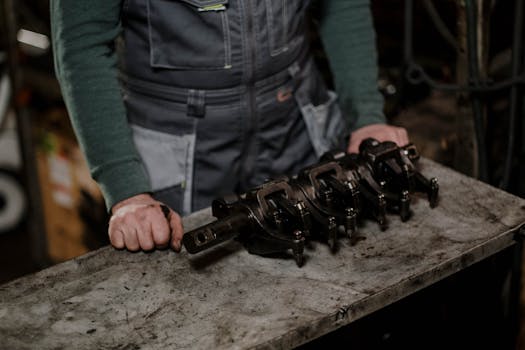
A Window Fabricator plays a crucial role in the manufacturing process of windows, often working with materials such as uPVC, aluminium, and sometimes timber. Your day-to-day responsibilities would involve cutting, machining, assembling, and glazing window frames according to precise specifications and architectural drawings. This career requires a keen eye for detail, practical skills, and a good understanding of measurements and quality control. You would typically operate various machinery, from saws and routers to welding equipment for uPVC frames, ensuring that each component meets the required standards for durability, insulation, and aesthetic finish. Adherence to health and safety regulations in a workshop environment is paramount. This role is fundamental to the construction industry, as windows are vital components of any building, providing light, ventilation, and security. Fabricators must ensure that the finished products are not only structurally sound but also energy efficient and aesthetically pleasing to meet client demands and building regulations. The work is hands-on and can be physically demanding, involving lifting and moving materials, but it's also highly rewarding as you see raw materials transform into a finished product ready for installation.

Window Fabricator

Flag Media

Please select a reason for flagging this content.

📊 Statistics

Average Salary Range

For an experienced Window Fabricator in the UK, the salary typically ranges from 22,000 to 30,000 per year. Entry-level positions might start around 18,000, while highly skilled or supervisory roles could reach 35,000 or more.

Job Availability

The construction and manufacturing sectors consistently require skilled fabricators. While specific numbers fluctuate, there are generally hundreds of vacancies across the UK for window and door fabricators at any given time, reflecting steady demand in both residential and commercial building projects.

Working Hours

Most Window Fabricator roles involve working standard full-time hours, typically around 37-40 hours per week. This often includes Monday to Friday daytime shifts, though some roles in busy factories or with tight deadlines may involve occasional overtime or shift work.

🚀 Careers in this path

Flag Media

Please select a reason for flagging this content.

uPVC Window and Door Installer

Specialises in fitting and installing uPVC (unplasticised polyvinyl chloride) windows and doors, often working directly with customers on site. This involves measurement, preparation of openings, fitting frames, glazing, and finishing, ensuring weatherproofing and security.

Flag Media

Please select a reason for flagging this content.

Architectural Aluminium Fabricator

Focuses on the fabrication of more complex aluminium window, door, and curtain walling systems for commercial and high-end residential projects. This involves precision cutting, machining, assembly, and potentially welding of aluminium profiles to architectural specifications.

Flag Media

Please select a reason for flagging this content.

Glazing Technician

Specialises in the cutting, fitting, and installation of glass units into window frames, doors, and other structures. This can involve double-glazed units, safety glass, or specialist glass, requiring knowledge of different glass types, sealants, and relevant building regulations.

Build Foundational Knowledge and Skills

Research the Industry

Understand the materials, processes, and types of products involved in window fabrication.

Start by exploring the different materials used in window and door fabrication, such as uPVC, aluminium, and timber. Familiarise yourself with the manufacturing processes, common machinery, and the safety standards prevalent in UK workshops. Look into companies that specialise in different types of windows and doors to get a feel for the variety in the industry.

Consider a Vocational Qualification

Look into college courses or apprenticeships related to manufacturing or fabrication.

While not always strictly necessary, vocational qualifications like an NVQ in Performing Engineering Operations or a Level 2/3 Diploma in Fabrication and Welding can give you a strong advantage. These courses provide practical skills and theoretical knowledge, often covering health and safety, material handling, and basic engineering principles. Apprenticeships are an excellent route, combining on-the-job training with formal learning.

Develop Practical Skills

Gain hands-on experience with tools and machinery, even in a different context.

Any experience working with hand tools, power tools, or machinery will be beneficial. If you have hobbies like carpentry, model making, or DIY, highlight these in your applications. Familiarity with measurements, cutting, drilling, and assembly will be highly valued. Seek out opportunities to learn about workshop safety and equipment operation.

Gain Entry-Level Experience

Apply for Junior Fabricator Roles

Seek out entry-level positions or trainee roles within window and door manufacturing companies.

Look for job titles such as 'Trainee Fabricator', 'Production Operative', 'Manufacturing Assistant', or 'Junior Window Fabricator'. Many companies are willing to train individuals with the right attitude and a willingness to learn. Emphasise any practical skills, your enthusiasm for hands-on work, and your commitment to precision and safety in your applications and interviews.

Undertake an Apprenticeship

Secure a formal apprenticeship to learn on the job while gaining qualifications.

Apprenticeships are an ideal pathway for a Window Fabricator. You'll gain practical experience working alongside experienced professionals, receive structured training, and often achieve a recognised qualification such as an NVQ Level 2 or 3 in Fenestration Fabricator. Check sites like the National Apprenticeship Service or company careers pages for opportunities.

Master Workshop Safety and Procedures

Prioritise learning and adhering to all health and safety regulations and company protocols.

Safety is paramount in any manufacturing environment. You'll need to quickly learn about personal protective equipment (PPE), safe operation of machinery, manual handling techniques, and emergency procedures. Demonstrating a strong commitment to safety will build trust and show your professionalism to your colleagues and supervisors. Understanding quality control procedures is also crucial from the outset.

Develop Specialised Expertise and Advance

Specialise in Material or Product Type

Focus on becoming an expert in fabricating windows from a particular material (e.g., uPVC, aluminium) or specific product (e.g., bi-fold doors).

As you gain experience, you might find yourself gravitating towards a particular material or product line. Becoming highly proficient in one area, such as aluminium fabrication or the assembly of complex bi-fold door systems, can make you an invaluable asset. This specialisation can lead to opportunities for leading specific production lines or training new staff.

Pursue Continuous Professional Development

Look for opportunities to learn new techniques, operate advanced machinery, or gain additional certifications.

The industry is always evolving with new materials, technologies, and fabrication methods. Stay current by attending manufacturer training courses, workshops on new machinery, or gaining certifications in specific fabrication techniques. Your employer may offer or fund relevant training. Proactively seeking out new knowledge demonstrates initiative and a commitment to your craft.

Progress to Senior or Supervisory Roles

With experience and proven ability, aim for roles such as Senior Fabricator, Team Leader, or Production Supervisor.

Once you have several years of solid experience and have demonstrated excellent fabrication skills, reliability, and an understanding of the entire production process, you can aim for more senior roles. These positions often involve overseeing production lines, managing a team of fabricators, ensuring quality control, troubleshooting issues, and sometimes even contributing to process improvement. Developing leadership and problem-solving skills will be key here.

🎯 View Apprenticeships

Explore relevant apprenticeships that can help you kickstart your career in Window Fabricator. Apprenticeships offer hands-on experience and training while earning a wage.

Career Progressions

This page showcases various career options and the pathways to reach them. Each career listed here shares transferable skills and knowledge, making it easier for individuals to transition between them.

Your current career is highlighted to help you see how it fits into the broader landscape of potential career choices. By clicking on any career, you can learn more about it, including the training and education required to pursue it.

Remember, progressing in your career often involves further learning and training. This page provides insights into future career options as well as those that can lead up to your current one.

These career progression decisions are informed by comparing the skills and knowledge needed for different occupations, along with data on how people move between them. Explore the possibilities and discover the exciting journey ahead in your career!

Sample Qualifications

The input career 'Window Fabricator' directly matches the official job title 'Window fabricator' from the provided list. Both terms describe the same role involving the construction of windows.

How to become

You can get into this job through:

  • an apprenticeship
  • working towards this role
  • applying directly

Apprenticeship

You could apply to do an apprenticeship with a manufacturing company, such as:

  • Engineering and Manufacturing Level 2 Foundation Apprenticeship
  • Fenestration Fabricator Level 2 Intermediate Apprenticeship

Foundation apprenticeship

You can apply for a foundation apprenticeship if you're aged 16 to 21.

If you're aged 22 to 24, you can apply if you:

Entry requirements

You'll usually need:

  • no specific qualifications or experience to apply for a foundation apprenticeship
  • some GCSEs, usually including English and maths, or equivalent, for an intermediate apprenticeship


More Information

Work

You could begin work as a general production worker or labourer with a window manufacturer and work your way up. There are courses you can do while working to help you get into more skilled fabrication jobs.

You could also start as a window fitter and move into fabrication work.

Direct Application

You can apply directly for jobs. Employers set their own entry requirements, though you'll need maths skills for taking measurements along with good practical skills.

Experience of general manufacturing and trades like window fitting or joinery may also be useful.

Further Information

You can get more details about careers in window fabrication from Building Our Skills.

Interested in More Career Paths?

Explore other careers or use our AI to discover personalised paths based on your interests.

Stay connected

Join our newsletter to stay up to date on features and releases

Address
Developing Experts Limited
Exchange Street Buildings
35-37 Exchange Street
Norwich
NR2 1DP
UK

Phone
01603 273515

Email
[email protected]

Copyright 2026 Developing Experts, All rights reserved.