
Creating Career Path...

Finding Further Careers...

Window Fabricator

View this career for different education levels:

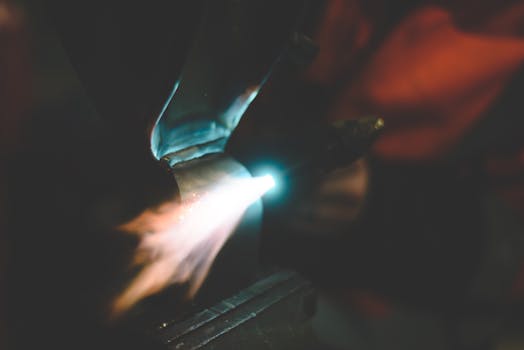
A Window Fabricator is someone who makes windows! They are like skilled craftspeople who take raw materials such as PVC, aluminium, or wood, and cut, shape, and join them together to create complete window frames and sashes. This job involves reading technical drawings and plans very carefully to make sure the windows are exactly the right size and shape. You'll use different tools and machines, from hand tools to sophisticated computer-controlled machinery, to make sure every cut and joint is perfect. It's a very hands-on role where you build something real that will be used in homes and buildings. Being a Window Fabricator requires good attention to detail because windows need to fit perfectly and be sealed properly to keep out the rain and cold. You'll also learn about different types of glass and how to install them safely into the frames. It's an important job because good quality windows help keep houses warm, safe, and looking nice. You might work in a workshop or factory, often as part of a team, and you'll need to be good at following safety rules because you'll be working with machinery and sometimes heavy materials.

Window Fabricator

Flag Media

Please select a reason for flagging this content.

📊 Statistics

Average Starting Salary

New window fabricators in the UK can expect to start on an average salary of around 19,000 to 22,000 pounds per year.

Experienced Salary Range

With a few years of experience, a skilled window fabricator in the UK could earn between 25,000 and 32,000 pounds annually, and even more with specialist skills or supervisory roles.

Number of Positions

While exact numbers for 'Window Fabricator' alone are hard to isolate, the broader 'Manufacturing and Production' sector in the UK employs over 2.6 million people, with ongoing demand for skilled trades like fabricators.

🚀 Careers in this path

Flag Media

Please select a reason for flagging this content.

uPVC Window Installer

This job is about fitting new uPVC windows and doors into peoples homes or new buildings. You'd learn how to carefully measure, cut, and secure the windows so they fit perfectly and keep the house warm and safe. It's hands-on and practical.

Flag Media

Please select a reason for flagging this content.

Aluminium Window and Door Assembler

Instead of wood or uPVC, this role focuses on putting together windows and doors made from strong, lightweight aluminium. You'd work in a workshop, using tools to cut, shape, and join the aluminium frames, adding glass and fittings ready for installation.

Flag Media

Please select a reason for flagging this content.

Glass Cutting and Processing Technician

This role is all about the glass that goes into windows and doors. You'd learn how to safely cut large sheets of glass into the right shapes and sizes, then treat it to make it stronger, like double glazing, ready for the window frames.

Exploring the Basics

Learn about Materials

Start by understanding the different materials used to make windows and doors, like plastic (uPVC), metal (aluminium), and wood.

Research what makes each material special. For example, uPVC is known for being energy-efficient and low maintenance, aluminium is strong and sleek, and wood offers a traditional look. Look up how these materials are made and what properties they have that make them good for windows.

Understand Tools & Safety

Discover the basic tools used in fabrication workshops and why safety is super important when working with them.

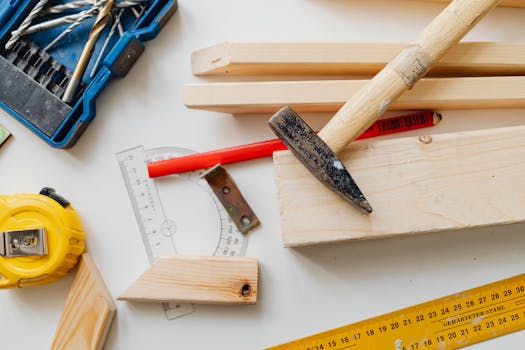
Learn about common tools like saws, drills, measuring tapes, and welding equipment (used for uPVC). Watch videos or read about how to use them safely. Understand the importance of safety goggles, gloves, and protective clothing to prevent accidents in a workshop environment.

Visit a Local Workshop

If possible, try to visit a local company that makes windows. This will give you a real-life look at the job.

Ask a parent or guardian to help you find a local window fabrication company that might offer a short tour or an informational interview. Seeing the machines and processes in action can really help you understand what the job involves and if it's something you'd enjoy doing. Prepare some questions beforehand!

Gaining Skills & Experience

Take Design & Technology (D&T)

Choose Design & Technology at school if it's an option. This subject teaches you about designing and making things.

D&T will help you develop practical skills like measuring, cutting, and assembling. You'll also learn about different materials, how to follow plans, and solve problems, all of which are really useful for a Window Fabricator. It can also introduce you to CAD (Computer-Aided Design) which is used in modern manufacturing.

Explore Practical Hobbies

Get involved in hobbies that involve making or repairing things, like model building, carpentry, or even fixing bikes.

Practical hobbies help you develop hand-eye coordination, precision, and problem-solving skills. They teach you patience and how to follow instructions carefully, which are vital in fabrication. Building something with your hands, even if it's just a LEGO model, helps you understand how different parts fit together.

Consider a Traineeship or Apprenticeship

Look into traineeships or apprenticeships in manufacturing or fabrication once you're older, usually after GCSEs.

An apprenticeship is a fantastic way to learn on the job. You'll work for a company, earning a wage, while also studying for a qualification. Many window fabrication companies offer apprenticeships where you'd learn directly from experienced fabricators, gaining all the practical skills and knowledge you need. A traineeship can be a good stepping stone to an apprenticeship.

Building Your Career

Master Core Fabrication Techniques

Focus on becoming really good at the fundamental skills of cutting, shaping, and joining materials accurately and safely.

This involves becoming highly skilled in using precision cutting equipment for uPVC, aluminium, or timber profiles. You'll learn about different types of joints, welding techniques (for uPVC), crimping (for aluminium), and how to ensure every window component is perfectly measured and assembled to tight tolerances. Quality control and attention to detail are key here.

Learn About Glazing & Hardware

Understand how glass (glazing) is fitted into window frames and how locks, hinges, and handles (hardware) are installed.

Once the frame is made, the next step is to fit the glass safely and securely. This involves understanding different types of glazing (e.g., double or triple glazed units) and how to seal them effectively. You'll also learn to install all the necessary hardware like hinges, locks, handles, and espagnolettes, ensuring they function smoothly and meet security standards.

Advance Your Skills & Specialise

After gaining experience, you can learn more advanced techniques or specialise in a particular material or type of window.

You might become an expert in creating complex window designs, working with high-performance materials, or specialising in bespoke architectural glazing. Some fabricators move into supervisory roles, managing teams, or even into design and quality control. Continuous learning and staying updated with new technologies are important for career progression in this field.

🎬 Useful Videos

🎯 View Apprenticeships

Explore relevant apprenticeships that can help you kickstart your career in Window Fabricator. Apprenticeships offer hands-on experience and training while earning a wage.

Career Progressions

This page showcases various career options and the pathways to reach them. Each career listed here shares transferable skills and knowledge, making it easier for individuals to transition between them.

Your current career is highlighted to help you see how it fits into the broader landscape of potential career choices. By clicking on any career, you can learn more about it, including the training and education required to pursue it.

Remember, progressing in your career often involves further learning and training. This page provides insights into future career options as well as those that can lead up to your current one.

These career progression decisions are informed by comparing the skills and knowledge needed for different occupations, along with data on how people move between them. Explore the possibilities and discover the exciting journey ahead in your career!

Sample Qualifications

The user's input 'Window Fabricator' directly matches the official job title 'Window fabricator' provided in the list. Both terms refer to the same skilled trade involved in constructing windows.

How to become

You can get into this job through:

  • an apprenticeship
  • working towards this role
  • applying directly

Apprenticeship

You could apply to do an apprenticeship with a manufacturing company, such as:

  • Engineering and Manufacturing Level 2 Foundation Apprenticeship
  • Fenestration Fabricator Level 2 Intermediate Apprenticeship

Foundation apprenticeship

You can apply for a foundation apprenticeship if you're aged 16 to 21.

If you're aged 22 to 24, you can apply if you:

Entry requirements

You'll usually need:

  • no specific qualifications or experience to apply for a foundation apprenticeship
  • some GCSEs, usually including English and maths, or equivalent, for an intermediate apprenticeship


More Information

Work

You could begin work as a general production worker or labourer with a window manufacturer and work your way up. There are courses you can do while working to help you get into more skilled fabrication jobs.

You could also start as a window fitter and move into fabrication work.

Direct Application

You can apply directly for jobs. Employers set their own entry requirements, though you'll need maths skills for taking measurements along with good practical skills.

Experience of general manufacturing and trades like window fitting or joinery may also be useful.

Further Information

You can get more details about careers in window fabrication from Building Our Skills.

Interested in More Career Paths?

Explore other careers or use our AI to discover personalised paths based on your interests.

Stay connected

Join our newsletter to stay up to date on features and releases

Address
Developing Experts Limited
Exchange Street Buildings
35-37 Exchange Street
Norwich
NR2 1DP
UK

Phone
01603 273515

Email
[email protected]

Copyright 2026 Developing Experts, All rights reserved.