
You can do a foundation degree or higher national diploma in electrical and electronic engineering.
Entry requirements
You'll usually need:
- 1 or 2 A levels, or equivalent, for a foundation degree or higher national diploma
An Electrical Fitter is a skilled tradesperson responsible for assembling, installing, testing, and maintaining electrical systems and components. This role is crucial across a wide range of industries, from manufacturing and construction to transport and utilities. You could be working on anything from complex machinery and control panels in a factory to the electrical systems within trains, aircraft, or large commercial buildings. Your day-to-day tasks might include interpreting technical drawings and schematics, preparing and installing wiring looms, conduits, and circuits, connecting electrical components, and carrying out diagnostic checks to ensure everything is working safely and efficiently. You'll need to be proficient with various hand and power tools, understand safety regulations (such as the IET Wiring Regulations BS 7671), and be adept at fault-finding and repairs. It's a hands-on role that requires precision, problem-solving skills, and a strong understanding of electrical principles. Many roles involve working both independently and as part of a larger engineering team.

In the UK, the typical salary for an Electrical Fitter ranges from around 25,000 GBP for entry-level positions to 40,000 GBP for experienced professionals, with senior roles sometimes exceeding 45,000 GBP. This can vary based on location, industry (e.g., manufacturing, rail, utilities), and specific qualifications.
The demand for skilled Electrical Fitters remains consistent across the UK. According to recent job market analysis, there are typically thousands of vacancies advertised annually, reflecting ongoing needs in manufacturing, construction, transport, and utilities sectors. Growth is often driven by infrastructure projects and technological advancements.
Most Electrical Fitters work a standard 37-40 hour week, Monday to Friday. However, depending on the industry and project deadlines, some roles may involve shift work, weekend work, or being on call, particularly in manufacturing, maintenance, or emergency response settings. Overtime is often available and can boost earnings.
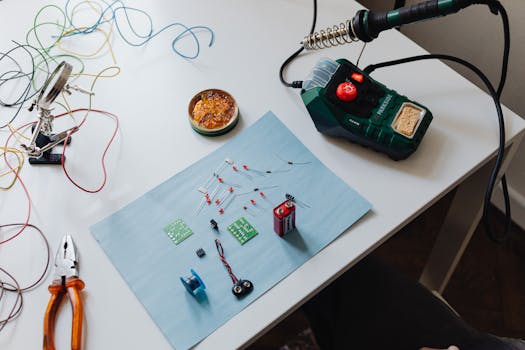
Specialises in testing electrical systems and components, identifying faults, and ensuring they meet safety and performance standards before deployment. This role often involves using sophisticated diagnostic equipment.

Focuses on the precise wiring and assembly of electrical control panels, interpreting schematics and ensuring all components are correctly connected for automated machinery and industrial systems. Requires meticulous attention to detail.

Works specifically on the electrical systems of trains and other rail vehicles, performing installation, maintenance, and fault finding on complex wiring, control systems, and onboard electronics. A niche role within the transport sector.
Ensure you have the necessary academic qualifications to pursue an electrical career, typically GCSEs and A-levels or equivalent vocational qualifications.
Most employers and apprenticeship programmes will look for a minimum of 4-5 GCSEs at grades 9-4 (A*-C), including English, Maths, and Science (Physics or Combined Science is often preferred). If you have A-levels, subjects like Maths, Physics, or Engineering can be highly beneficial, demonstrating a strong grasp of technical principles. Vocational qualifications such as a BTEC in Engineering can also provide an excellent foundation and practical understanding.
Seek out opportunities to get hands-on experience, even if it's informal, to develop basic mechanical and electrical aptitude.
This could involve DIY projects at home, helping out a family member who works in a related trade, or even volunteering for local community projects that involve some technical work. Understanding how tools work, basic wiring principles, and the importance of safety from an early stage will be incredibly valuable. Consider short courses or workshops if available, focusing on practical skills like soldering, basic circuit building, or mechanical assembly.
Understand the different sectors and roles within electrical fitting to identify your areas of interest.
Electrical fitting roles can vary significantly depending on the industry. You might work in manufacturing (assembling control panels for machinery), energy (installing and maintaining grid components), aerospace (wiring aircraft systems), or even rail (working on train electrical systems). Researching these areas will help you understand the specific demands, technologies, and career progression opportunities in each, allowing you to tailor your applications and training. Attend career fairs or speak to professionals in the field.
The most common and highly recommended route into electrical fitting is through a structured apprenticeship programme.
An apprenticeship allows you to gain on-the-job experience whilst simultaneously studying for formal qualifications, typically an NVQ Level 2 or 3 in Electrical Installation or Electrical Engineering. These programmes usually last 3-4 years and combine practical work with classroom-based learning at a college. You will earn a salary while you learn, making it a very attractive option. Search for apprenticeships through the government's Find an Apprenticeship service or directly with engineering and manufacturing companies.
Acquire specific certifications that demonstrate your competence and adherence to industry standards.
Beyond your core qualification, certifications like the 18th Edition IET Wiring Regulations (BS 7671) are often essential for anyone working with electrical installations in the UK. This demonstrates you understand the current safety standards. Other specialised certifications might be required depending on the specific sector you enter, such as working with particular types of machinery, high-voltage systems, or specific industry safety protocols. Your apprenticeship or employer will usually guide you on which certifications are necessary.
Cultivate essential soft skills that are crucial for success in a technical and often team-based environment.
Beyond technical prowess, employers highly value strong problem-solving abilities, attention to detail, and a commitment to safety. You'll often be working as part of a team, so good communication and collaboration skills are vital. Time management and the ability to read and interpret complex technical drawings and schematics are also paramount. Actively seek feedback and opportunities to develop these skills during your training and initial roles.
Consolidate your skills and knowledge by working on a variety of projects and systems, building a strong portfolio of experience.
The more diverse your experience, the more valuable you become. Seek opportunities to work on different types of electrical installations, machinery, and fault-finding scenarios. Don't shy away from challenging projects. Document your work, skills acquired, and any successful problem-solving instances, as this will be beneficial for future career advancement and demonstrating your capabilities.
Stay current with the latest technologies, regulations, and industry best practices through ongoing learning.
The electrical industry is constantly evolving with new technologies, materials, and safety standards. Regular training courses, workshops, and seminars are crucial for staying competitive and competent. This could include courses on programmable logic controllers (PLCs), robotics, renewable energy systems, or advanced fault diagnostics. Many professional bodies offer CPD opportunities and resources. Staying informed shows dedication and enhances your expertise.
Consider specialising in a particular area of electrical fitting or moving into supervisory or management roles.
With significant experience, you could specialise in areas like industrial control systems, high-voltage applications, instrumentation, or specific manufacturing processes. Alternatively, you might progress into roles such as Team Leader, Supervisor, Project Manager, or even move into design or training roles. Further academic qualifications, such as an HNC/HND or a degree in Electrical Engineering, can support advancement into more senior technical or management positions. Networking within the industry can also open doors to new opportunities.
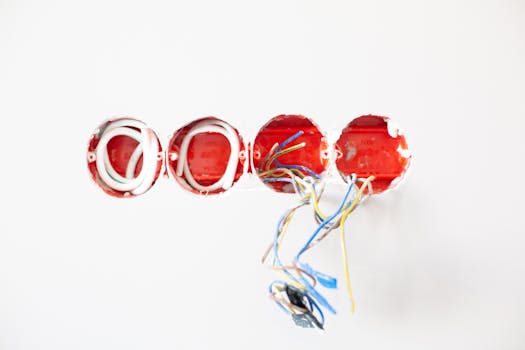
Electricians primarily focus on the wiring, installation, and maintenance of electrical systems in buildings (residential, commercial, industrial). While there's overlap, Electrical Fitters often work on specific equipment, machinery, or transport systems, whereas Electricians typically deal with building infrastructure.

Maintenance Engineers, often with an electrical specialism, are responsible for ensuring that machinery and equipment in factories or industrial settings are kept in good working order. This includes preventative maintenance, fault diagnosis, and repair of electrical, mechanical, and sometimes hydraulic or pneumatic systems.

A Panel Wirer specialises in the assembly and wiring of electrical control panels and switchgear, often for industrial automation or power distribution. They follow precise schematics to connect components like circuit breakers, relays, and PLCs within a panel enclosure.
Explore relevant apprenticeships that can help you kickstart your career in Electrical Fitter. Apprenticeships offer hands-on experience and training while earning a wage.
This page showcases various career options and the pathways to reach them. Each career listed here shares transferable skills and knowledge, making it easier for individuals to transition between them.
Your current career is highlighted to help you see how it fits into the broader landscape of potential career choices. By clicking on any career, you can learn more about it, including the training and education required to pursue it.
Remember, progressing in your career often involves further learning and training. This page provides insights into future career options as well as those that can lead up to your current one.
These career progression decisions are informed by comparing the skills and knowledge needed for different occupations, along with data on how people move between them. Explore the possibilities and discover the exciting journey ahead in your career!
An Electrical Fitter typically installs, maintains, and repairs electrical equipment, often requiring a strong understanding of electrical systems, circuits, and components, which aligns closely with the practical, hands-on role of an Electrical engineering technician rather than a purely theoretical engineering role or a general electrician.
You can get into this job through:
You can do a foundation degree or higher national diploma in electrical and electronic engineering.
You'll usually need:
You can take a college course, which would teach you some of the skills needed for the job and may help you to find a trainee position with a company.
Relevant courses include:
Entry requirements for these courses vary.
4 or 5 GCSEs at grades 9 to 4 (A* to C), or equivalent, including English and maths for a T Level
You can apply to do an Engineering and Manufacturing Level 2 Foundation Apprenticeship.
You can also do a Level 3 Advanced Apprenticeship, such as:
You'll usually need:
You can apply directly for jobs if you have relevant experience and qualifications. For example, from electrical, electronic, power or building services engineering.
You can find out more about careers in electrical engineering through Tomorrow's Engineers and The Institution of Engineering and Technology.
Explore other careers or use our AI to discover personalised paths based on your interests.
Address
Developing Experts Limited
Exchange Street Buildings
35-37 Exchange Street
Norwich
NR2 1DP
UK
Phone
01603 273515
Email
[email protected]
Copyright 2026 Developing Experts, All rights reserved.

Unlock expert-designed lessons, resources, and assessments tailored for educators. No credit card required.
Claim Your Free Trial →