
You can do a foundation degree or higher national diploma in electrical and electronic engineering.
Entry requirements
You'll usually need:
- 1 or 2 A levels, or equivalent, for a foundation degree or higher national diploma
Imagine all the lights, computers, and machines we use every day. They all need electricity to work, and someone has to make sure it gets to them safely and correctly! That is what an Electrical Fitter does. They are like detectives for electricity, making sure all the wires and parts are put together perfectly. An Electrical Fitter builds, installs, and fixes electrical systems and equipment. This could be in big factories, on trains, in power stations, or even in large buildings. They read special drawings, which are like maps for wires, to put everything in the right place. They use tools to cut, strip, and connect wires, making sure everything is safe and works properly. It is a very important job because electricity needs to be handled carefully to avoid problems.
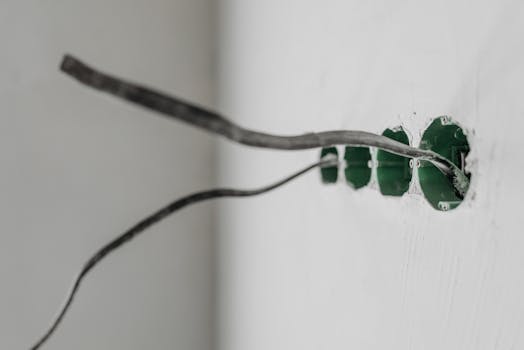
An Electrical Fitter in the UK can expect to earn around 35,000 pounds a year on average. If you are just starting, it might be closer to 25,000 pounds, and with lots of experience, it could be over 45,000 pounds.
There are usually many thousands of job openings for electrical fitters and similar roles across the UK at any time, showing it is a job that is needed a lot. This means lots of chances to find work.
Most Electrical Fitters work about 37-40 hours a week, usually from Monday to Friday. Sometimes they might need to work extra hours or on weekends if there is a big job to finish.

Imagine helping to build or fix the big, powerful parts of trains that make them go zoom! You'd learn how electricity helps trains move safely from one station to another, making sure all the lights and doors work just right.

Have you ever wanted to build a robot that can do amazing things? As a robot builder, you'd use your hands to put together electrical bits and bobs inside robots. You'd help make them clever so they can do jobs like sort toys or even help around the house!

Do you like the idea of giant windmills making clean electricity? A Wind Turbine Technician gets to work high up, fixing and checking the big electrical parts inside these tall structures. You'd help make sure our homes have power from the wind, which is super cool for our planet.
Start by being super curious about how electrical things work in your home. Why does the light turn on when you flip the switch? What makes your toys move?
When you're curious about things like lights, toys, and gadgets, you're already starting to think like an Electrical Fitter! Ask grown-ups how things work and if it's safe to look at them. You could even read simple books about electricity to understand the basics.
Ask a grown-up if you can try out some fun, safe electrical kits, like ones that make lights blink or buzzers sound. This is a great way to learn hands-on!
There are lots of great science kits designed for children your age that let you build simple circuits with wires, batteries, and little light bulbs. Always make sure an adult is there to help you and show you how to do it safely. These kits teach you how electricity flows and makes things happen.
It's super important to know that electricity can be dangerous. Always learn and follow safety rules when you are near anything electrical.
Grown-ups will teach you about electrical safety, like never putting your fingers in plug sockets or touching broken wires. It's like learning the rules of a game; knowing them keeps you safe and sound. An Electrical Fitter always works very safely with electricity.
Practice putting things together and taking them apart with building blocks or construction toys. This helps you get good at using your hands and following instructions.
Being good at building with blocks, Lego, or even wooden models helps you develop 'fine motor skills' and understand how different parts fit together. Electrical Fitters need to be very precise with their hands when connecting tiny wires or assembling complex electrical components.
Offer to help grown-ups with simple tasks around the house, like putting together flat-pack furniture or organising tools. This teaches you how to follow steps.
Helping out with tasks that involve using tools, even simple ones like a screwdriver (with adult supervision!), teaches you how to use them properly. Electrical Fitters use many different tools every day, so getting comfortable with them early is a great start. Always ask an adult if you can help and for them to show you how to use tools safely.
If you ever get the chance, visit a factory or a workshop where people build or fix things. You might even see Electrical Fitters in action!
Sometimes, schools arrange trips to places where things are made, like car factories or even places that fix appliances. Seeing grown-ups using big machines and tools to put things together can be very exciting and show you what an Electrical Fitter's job might look like in real life.
Pay attention in maths and science at school. These subjects are like the secret code for understanding electricity and how machines work.
Maths helps you understand measurements and calculations, which are super important for electrical work. Science, especially physics, teaches you all about electricity, circuits, and how energy works. Doing well in these subjects will give you a strong foundation for a career as an Electrical Fitter.
If your school has a science, robotics, or technology club, try joining it! You can build cool projects and learn even more about how things work.
Clubs like these are fantastic because they let you explore your interests in a fun, hands-on way outside of normal lessons. You might get to build simple robots, learn coding, or work on electronics projects. This is a great way to meet other kids who are also interested in how things are made and fixed.
When you're older, you can learn more about becoming an Electrical Fitter by going to college or doing an apprenticeship, where you learn on the job.
After school, there are special colleges that teach you all about electrical engineering and fitting. Another great way to become an Electrical Fitter is through an apprenticeship, where you work with experienced fitters, learn from them every day, and even get paid while you train. Both options lead to an exciting career where you build and fix amazing electrical machines!
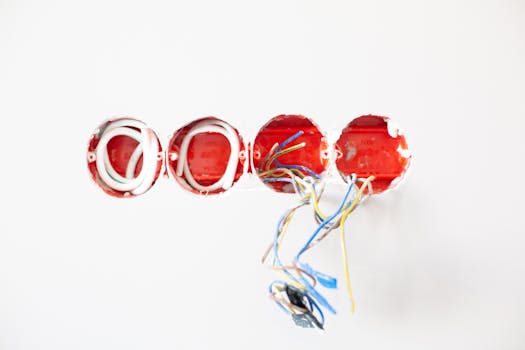
An Electrician installs and maintains electrical systems in homes, offices, and other buildings. They are like an Electrical Fitter but often work more on building wiring and domestic systems.
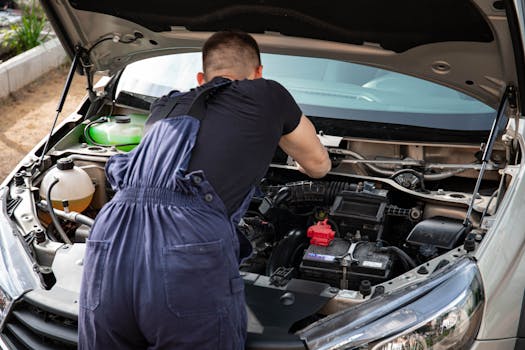
A Maintenance Engineer looks after and fixes different types of machines and systems to make sure they keep working well, often including electrical parts.
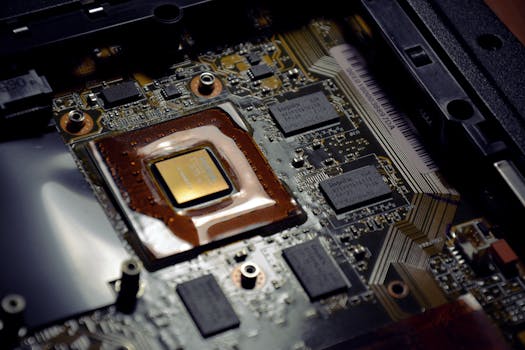
An Electrical Engineer designs new electrical systems and equipment, rather than just installing them. They often work with more complex electrical problems and inventions.
Explore relevant apprenticeships that can help you kickstart your career in Electrical Fitter. Apprenticeships offer hands-on experience and training while earning a wage.
This page showcases various career options and the pathways to reach them. Each career listed here shares transferable skills and knowledge, making it easier for individuals to transition between them.
Your current career is highlighted to help you see how it fits into the broader landscape of potential career choices. By clicking on any career, you can learn more about it, including the training and education required to pursue it.
Remember, progressing in your career often involves further learning and training. This page provides insights into future career options as well as those that can lead up to your current one.
These career progression decisions are informed by comparing the skills and knowledge needed for different occupations, along with data on how people move between them. Explore the possibilities and discover the exciting journey ahead in your career!
An Electrical Fitter typically installs, maintains, and repairs electrical equipment, often working with blueprints and technical specifications, which aligns closely with the duties of an Electrical Engineering Technician who supports engineers and performs technical tasks related to electrical systems.
You can get into this job through:
You can do a foundation degree or higher national diploma in electrical and electronic engineering.
You'll usually need:
You can take a college course, which would teach you some of the skills needed for the job and may help you to find a trainee position with a company.
Relevant courses include:
Entry requirements for these courses vary.
4 or 5 GCSEs at grades 9 to 4 (A* to C), or equivalent, including English and maths for a T Level
You can apply to do an Engineering and Manufacturing Level 2 Foundation Apprenticeship.
You can also do a Level 3 Advanced Apprenticeship, such as:
You'll usually need:
You can apply directly for jobs if you have relevant experience and qualifications. For example, from electrical, electronic, power or building services engineering.
You can find out more about careers in electrical engineering through Tomorrow's Engineers and The Institution of Engineering and Technology.
Explore other careers or use our AI to discover personalised paths based on your interests.
Address
Developing Experts Limited
Exchange Street Buildings
35-37 Exchange Street
Norwich
NR2 1DP
UK
Phone
01603 273515
Email
[email protected]
Copyright 2026 Developing Experts, All rights reserved.

Unlock expert-designed lessons, resources, and assessments tailored for educators. No credit card required.
Claim Your Free Trial →