


Creating Career Path...

Finding Further Careers...

Microbiologist

View this career for different education levels:

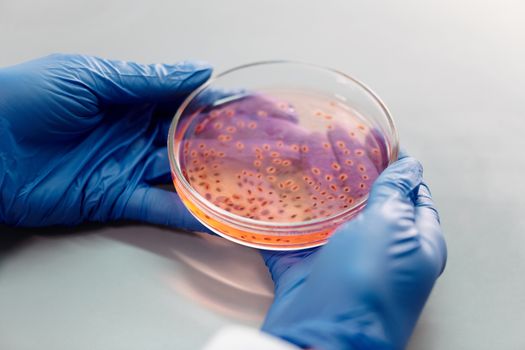
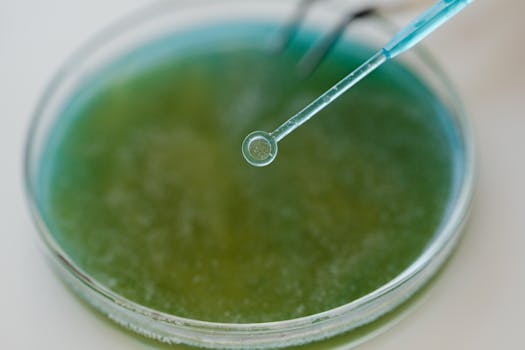
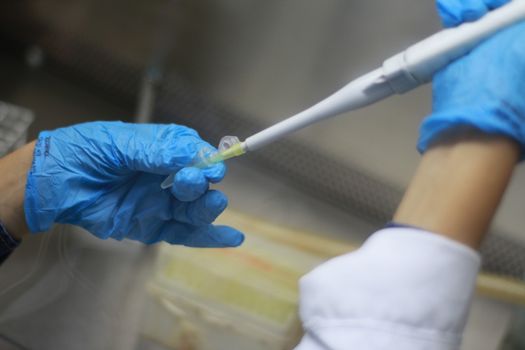
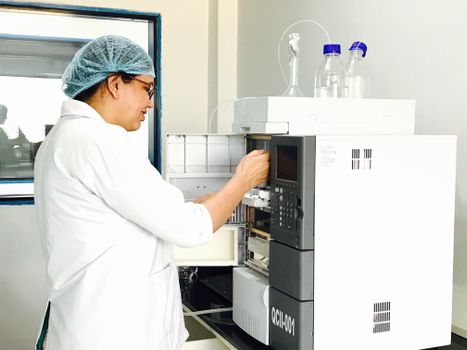
A Microbiologist in the UK is a scientific professional who studies microscopic organisms such as bacteria, viruses, fungi, algae, and protozoa. Their work is incredibly diverse, ranging from understanding how these organisms cause disease to harnessing them for beneficial purposes in various industries. In practice, this often involves laboratory work where you'll be culturing and analysing samples, using advanced equipment to identify and characterise microbes, and conducting experiments to understand their behaviour and interactions. You might be working in a clinical setting, identifying pathogens responsible for infections; in the pharmaceutical industry, developing new antibiotics or vaccines; in food and drink, ensuring product safety and quality; or in environmental science, investigating microbial roles in ecosystems or bioremediation. The role requires meticulous attention to detail, strong analytical skills, and a solid understanding of biological principles. You'll be interpreting data, writing reports, and often collaborating with other scientists and professionals. It's a field with significant impact on public health, industrial processes, and environmental sustainability, offering a chance to contribute to vital research and practical applications.

Microbiologist

Flag Media

Please select a reason for flagging this content.

📊 Statistics

Average Starting Salary

For entry-level positions in the UK, a microbiologist can expect to earn between 20,000 and 25,000 GBP per year. This can increase significantly with experience and specialisation.

Experienced Professional Salary

With several years of experience, particularly in industry or senior academic roles, salaries can range from 30,000 to 50,000 GBP. Highly specialised or managerial roles might command 60,000 GBP or more annually.

Number of Positions / Job Market

While precise real-time figures are dynamic, the life sciences sector in the UK is robust. Websites like Indeed UK often list hundreds of microbiologist roles, reflecting a steady demand across healthcare, pharmaceuticals, food safety, and environmental sectors. The field is continuously evolving, creating new opportunities.

🚀 Careers in this path

Flag Media

Please select a reason for flagging this content.

Clinical Scientist Microbiology

Work in hospitals or public health labs, diagnosing infectious diseases, advising clinicians on treatment, and monitoring outbreaks. It involves lab work but also patient-focused diagnostics and problem-solving, often requiring further specialised training after a degree.

Flag Media

Please select a reason for flagging this content.

Food Microbiologist

Ensure the safety and quality of food products in the food industry. This involves testing for pathogens, developing new preservation methods, and implementing hygiene standards to prevent contamination, often in manufacturing or quality assurance roles.

Flag Media

Please select a reason for flagging this content.

Biopharmaceutical Scientist

Focus on the development and production of biological medicines like vaccines or antibodies. This could involve research into new antimicrobial agents, quality control of pharmaceutical products, or process development in a biotech company.

Foundation and Education

Achieve a Relevant Undergraduate Degree

Secure a strong foundation in science by completing a Bachelor's degree in Microbiology or a closely related biological science.

Most entry-level microbiologist roles require a minimum of a Bachelor of Science (BSc) degree in Microbiology, Biomedical Science, Biological Sciences, or a related discipline. Look for programmes accredited by relevant professional bodies if possible, and ensure the curriculum includes modules in bacteriology, virology, immunology, and molecular biology. Aim for good grades, typically a 2:1 or higher, as this will strengthen your applications for postgraduate study or competitive entry-level positions. Consider universities with strong research departments in microbiology.

Gain Practical Lab Experience

Seek opportunities to develop hands-on laboratory skills during your degree through practical modules, projects, or placements.

Practical experience is crucial for a microbiologist. Make the most of your university laboratory sessions, paying close attention to aseptic techniques, microscopy, culturing microorganisms, and molecular biology methods like PCR. If your course offers a 'sandwich year' or industrial placement, actively pursue these opportunities. Otherwise, consider summer internships, voluntary work in university labs, or even part-time lab assistant roles to build a practical skill set that will set you apart from other graduates.

Consider Postgraduate Study

Evaluate if further academic specialisation through a Master's or PhD is beneficial for your desired career path.

While a BSc can secure some entry-level roles, a Master's (MSc) or PhD can significantly enhance your career prospects, especially for research-focused positions, senior roles, or specialisation in areas like clinical microbiology, industrial microbiology, or public health. An MSc typically takes one year full-time and allows for deeper specialisation. A PhD, lasting 3-4 years, is essential for academic research careers and often leads to higher earning potential and more autonomous roles in industry. Research the specific requirements for roles that interest you to determine the optimal level of education.

Professional Development

Secure Entry-Level Positions

Apply for relevant entry-level roles to gain initial professional experience in a microbiology setting.

Look for positions such as 'Junior Microbiologist', 'Lab Technician', 'Assistant Scientist', or 'Trainee Biomedical Scientist' (if you're pursuing the clinical pathology route) in various sectors. These could include pharmaceutical companies, food and beverage industries, environmental agencies, public health laboratories, hospitals, or research institutions. Focus on roles that offer opportunities to apply your academic knowledge and develop new practical skills under supervision. Tailor your CV and cover letter to highlight your relevant degree modules, lab skills, and any project work.

Join Professional Organisations

Become a member of professional bodies to access resources, networking, and continuous professional development.

Joining organisations like the Microbiology Society, Royal Society of Biology (RSB), or the Institute of Biomedical Science (IBMS) (if in clinical microbiology) offers numerous benefits. You'll gain access to journals, conferences, workshops, and networking events that are vital for staying current with scientific advancements and connecting with other professionals. These memberships often provide opportunities for mentorship and can demonstrate your commitment to the field, which is appealing to employers. Many offer student or early-career memberships at reduced rates.

Continuous Learning and Specialisation

Commit to ongoing learning and consider specialising in a particular area of microbiology as your career progresses.

The field of microbiology is constantly evolving, so continuous professional development (CPD) is essential. Attend workshops, seminars, and conferences to learn about new techniques, research findings, and regulatory changes. Consider further short courses or certifications in areas like bioinformatics, quality assurance, specific analytical techniques, or project management. As you gain experience, you might find yourself drawn to a particular specialism, such as virology, industrial microbiology, immunology, public health, or food microbiology, which can lead to more senior or niche roles.

Career Advancement

Develop Leadership and Project Management Skills

Take on more responsibility and actively seek opportunities to lead projects or mentor junior staff.

As you become more experienced, aim to transition from carrying out tasks to managing projects and guiding others. This might involve leading a specific research experiment, overseeing a team of lab technicians, or managing the implementation of new protocols. Develop skills in budgeting, timeline management, risk assessment, and effective communication. These skills are crucial for moving into senior scientist, team leader, or project manager roles within a laboratory or research environment.

Publish Research and Present Findings

Contribute to the scientific community by publishing your work and presenting at conferences.

For those in research or academic paths, publishing your findings in peer-reviewed scientific journals is vital for establishing your reputation and advancing your career. Actively participate in writing up your research, even as a co-author initially. Presenting your work at national and international conferences not only allows you to share your discoveries but also helps you network with peers, gain feedback, and identify potential collaborations, all of which are important for career progression, especially if you aspire to senior research or academic roles.

Network and Seek Mentorship

Build a strong professional network and seek guidance from experienced microbiologists.

Networking is key at all stages of your career. Attend industry events, join online professional groups, and connect with peers and senior professionals. Don't be afraid to reach out to experienced microbiologists for advice or mentorship. A mentor can provide invaluable guidance, share insights into career paths, help you navigate challenges, and potentially open doors to new opportunities. Maintaining a strong network can lead to collaborations, job offers, and advancements throughout your professional life.

🎬 Useful Videos

🎯 View Apprenticeships

Explore relevant apprenticeships that can help you kickstart your career in Microbiologist. Apprenticeships offer hands-on experience and training while earning a wage.

Career Progressions

No career progressions found for Microbiologist

Sample Qualifications

How to become

You can get into this job through:

  • a university course
  • an apprenticeship
  • working towards this role

University

To become a microbiologist, you could do a degree in:

  • microbiology
  • biology
  • life sciences
  • biological science

Some degree courses include an integrated master's qualification like MBiol or MSci. You'll usually have more time for independent research and they're designed to lead directly onto further postgraduate study like a PhD.

Training programme for the NHS

If you want to work in the NHS as a microbiologist, you could apply to the Scientist Training Programme (STP) after your degree.

You'll train on the job, get paid a salary and receive a master's degree at the end.

Entry requirements

You'll usually need:

  • 5 GCSEs at grades 9 to 4 (A* to C), or equivalent, including English, maths and science
  • 2 or 3 A levels, or equivalent, including biology for a degree
  • a degree in a relevant subject for postgraduate study

More Information

Apprenticeship

You may be able to become a microbiologist by doing an apprenticeship, for example:

  • Scientist Level 6 Degree Apprenticeship
  • Research Scientist Level 7 Degree Apprenticeship

These apprenticeships can take between 3 and 5 years to complete.

Entry requirements

You'll usually need:

  • 4 or 5 GCSEs at grades 9 to 4 (A* to C) and A levels, or equivalent, for a degree apprenticeship

More Information

Work

You might be able to get into microbiology by working your way up from a laboratory technician.

You would need to study part time for a biological science degree or degree apprenticeship while you work.

Volunteering

Volunteering in the NHS is a good way to get work experience in a healthcare lab. This can be helpful when you apply for jobs or training.

More Information

Professional and industry bodies

You can join the Microbiology Society to get professional recognition, find training opportunities and make new contacts.

Further information

You can get more advice about working in microbiology from the Microbiology Society and Health Careers.

Interested in More Career Paths?

Explore other careers or use our AI to discover personalised paths based on your interests.

Stay connected

Join our newsletter to stay up to date on features and releases

Address
Developing Experts Limited
Exchange Street Buildings
35-37 Exchange Street
Norwich
NR2 1DP
UK

Phone
01603 273515

Email
[email protected]

Copyright 2026 Developing Experts, All rights reserved.